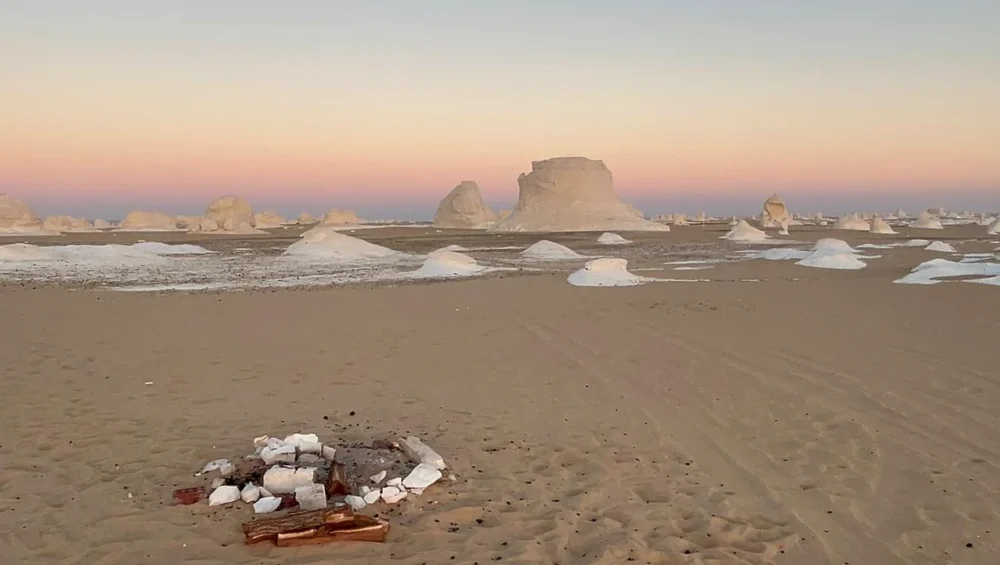
Egypt is famous for the Pyramids of Giza, the temples of Luxor, and the timeless waters of the Nile — but beyond the riverbanks and ancient monuments lies another Egypt entirely. It is a land of golden dunes, hidden oases, star-filled skies, and silence so complete you can hear your own heartbeat. An Egypt desert safari is one of the most unforgettable ways to experience this side of the country, offering travelers a raw, authentic adventure that goes far beyond the typical tourist trail.
Whether you’re dreaming of racing across the dunes in a 4×4, sandboarding down towering sand hills, riding a camel into the sunset, or sleeping beneath a blanket of stars in a Bedouin camp, an Egypt desert safari delivers an experience unlike anything else on Earth. In this guide, we’ll explore everything you need to know about planning the perfect desert adventure in Egypt — from the best destinations and activities to practical tips that will help you make the most of your trip.
Why Choose an Egypt Desert Safari?
Egypt’s deserts cover roughly 90% of the country’s total land area, yet most visitors never venture past the Nile Valley. That’s a shame, because the Sahara and Egypt’s other desert regions hold some of the most spectacular natural landscapes in the world. Choosing an Egypt desert safari means trading crowded tourist sites for wide-open spaces, silence, and a sense of genuine exploration.
Here are just a few reasons travelers fall in love with desert safaris in Egypt:
- Otherworldly landscapes: From chalk-white rock formations to golden dunes and black volcanic hills, Egypt’s deserts look like something out of a science fiction film.
- Authentic Bedouin culture: Desert safaris often include time with local Bedouin guides, who share centuries-old traditions, food, and hospitality.
- Unmatched stargazing: With little to no light pollution, the desert night sky reveals thousands of stars, the Milky Way, and shooting stars on clear nights.
- Adventure activities: Dune bashing, sandboarding, camel trekking, and hot air ballooning are just a few of the thrilling options available.
- A break from the crowds: While the Pyramids and Luxor temples draw huge crowds, the desert offers peace, quiet, and space to breathe.
The Best Deserts to Explore in Egypt
Egypt is home to several distinct desert regions, each with its own character and highlights. Here’s a breakdown of the most popular areas for a desert safari.
The White Desert (Sahara el Beyda)
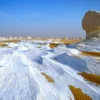
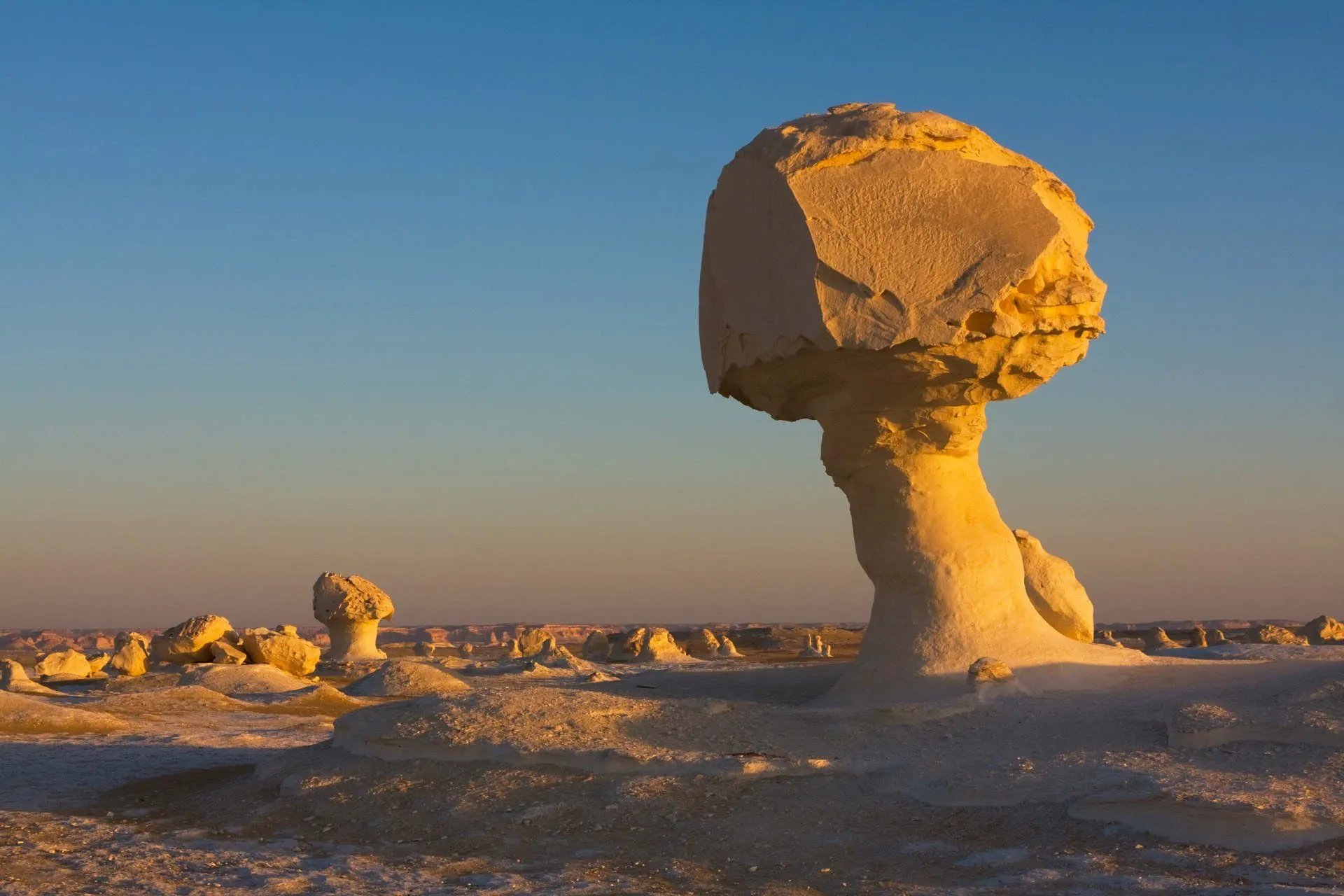
Located near the Farafra Oasis, the White Desert is arguably Egypt’s most surreal landscape. Wind-carved chalk rock formations rise from the desert floor like sculptures, some resembling mushrooms, camels, or even a giant chicken — locals and guides have nicknamed many of these formations over the years. Camping overnight here, surrounded by glowing white rock formations under a full moon, is an experience many travelers describe as the highlight of their entire trip to Egypt.
The Black Desert
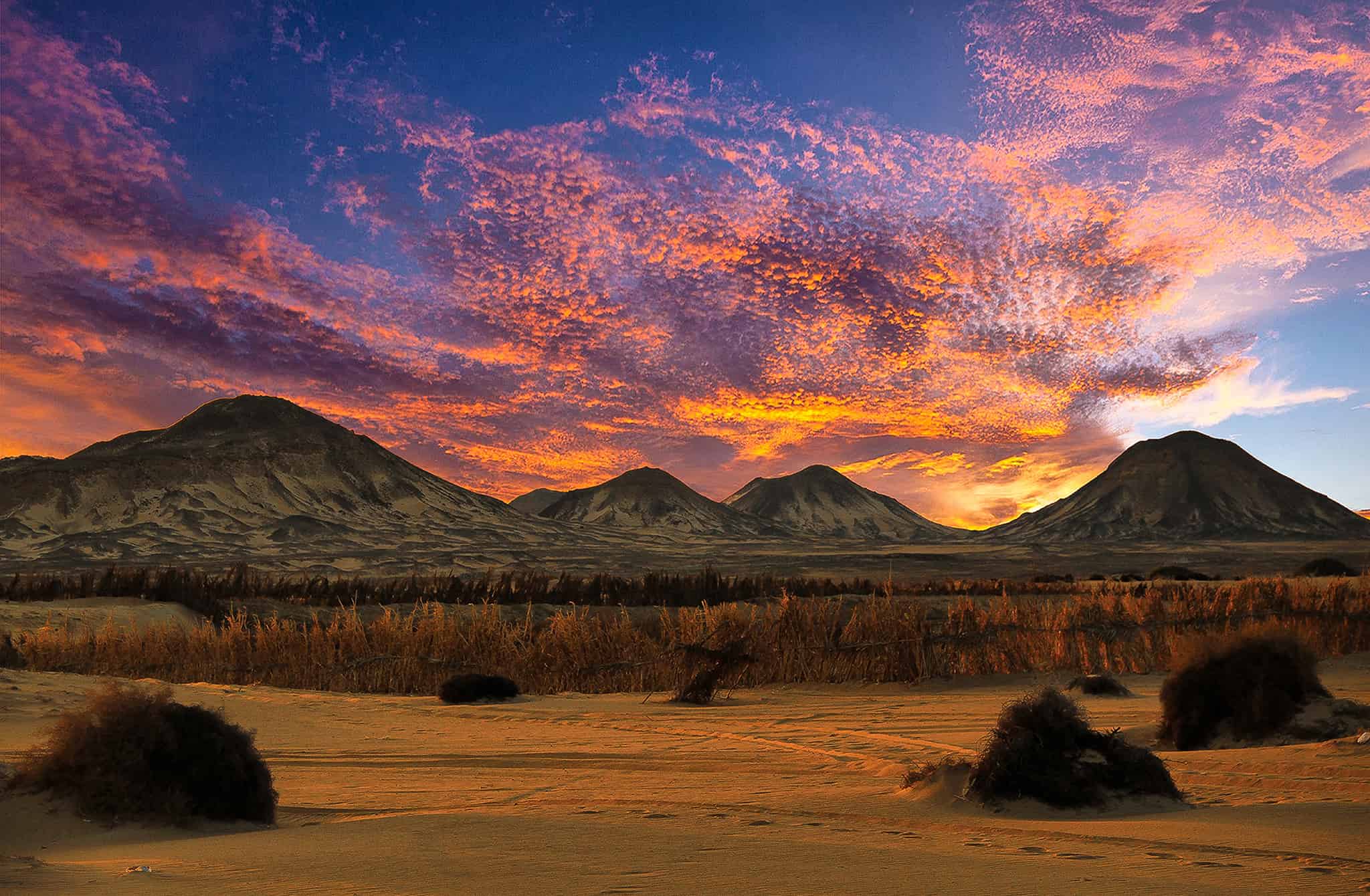
Just before reaching the White Desert, travelers pass through the Black Desert, where volcanic hills are dusted with dark basalt rock, creating a striking contrast against the golden sand. It’s a popular stop for photography and a great introduction to the changing desert scenery along the route.
The Western Desert and Bahariya Oasis
The Western Desert is a vast expanse that includes several fertile oases, hot springs, and ancient burial sites. Bahariya Oasis, often used as a base for desert safaris, is famous for its palm groves, natural hot springs, and the Valley of the Golden Mummies, where hundreds of Greco-Roman era mummies were discovered.
Siwa Oasis
Tucked near the Libyan border, Siwa is one of Egypt’s most remote and culturally distinct destinations. Known for its unique Amazigh (Berber) heritage, Siwa offers salt lakes, natural springs, ancient ruins like the Oracle Temple, and the chance to sandboard down some of the tallest dunes in the country.
The Sinai Desert
On the other side of the country, the Sinai Peninsula offers a completely different desert experience, with dramatic granite mountains, deep canyons, and the famous Mount Sinai. The Sinai desert is also home to the Colored Canyon and offers excellent trekking opportunities combined with visits to the Red Sea coast.
Popular Desert Safari Activities
No two desert safaris are exactly alike, but most itineraries include a mix of the following classic experiences.
Dune Bashing in a 4×4
One of the most exhilarating parts of any desert safari is dune bashing — riding in a 4×4 vehicle driven by an experienced local driver who navigates steep dunes with impressive skill. It’s part roller coaster, part off-road adventure, and always a memorable way to cover long distances across the sand.
Camel Trekking
For a slower, more traditional way to experience the desert, camel trekking allows travelers to move at the pace their ancestors did for centuries. Many safaris include a camel ride at sunset, when the shifting light turns the dunes shades of orange, pink, and purple.
Sandboarding
Popular in Siwa and other dune-heavy areas, sandboarding involves strapping into a board and sliding down steep dune faces — essentially snowboarding, but on sand. It’s a fun, low-cost activity that appeals to travelers of all ages.
Overnight Camping Under the Stars
Perhaps the most magical part of any desert safari is the overnight camp. Guides typically set up simple tents or mattresses under the open sky, cook a traditional meal over an open fire, and share tea and stories late into the night. Falling asleep under thousands of stars, far from any city lights, is an experience that stays with travelers long after they return home.
Hot Air Ballooning
While more commonly associated with Luxor, hot air balloon rides are increasingly offered in desert regions too, giving travelers a bird’s-eye view of the dunes, rock formations, and oases below at sunrise.
Visiting Hot Springs
Several desert oases, particularly Siwa and Bahariya, are home to natural hot and cold springs. After a day of dune bashing or trekking, soaking in a warm spring under the stars is the perfect way to relax.
Planning Your Egypt Desert Safari: What to Know Before You Go
Best Time to Visit
The best time for an Egypt desert safari is typically between October and April, when daytime temperatures are more manageable and nighttime desert temperatures, while cold, are bearable with proper gear. Summer months (June through August) can see daytime temperatures soar above 40°C (104°F), making desert travel more physically demanding.
What to Pack
- Lightweight, breathable clothing for daytime, plus warm layers for cold desert nights
- A sturdy pair of closed-toe shoes for walking on sand and rock
- Sunglasses, sunscreen, and a wide-brimmed hat
- A scarf or headwrap to protect against sand and wind
- A reusable water bottle and personal medications
- A good camera or smartphone — the desert scenery is extraordinary
Choosing the Right Tour Operator
Because desert regions can be remote and navigation challenging, it’s important to book with an experienced, licensed tour operator who understands local routes, safety protocols, and Bedouin customs. A knowledgeable guide doesn’t just keep you safe — they can also share fascinating history and cultural context you’d otherwise miss.
Combining the Desert with Other Egyptian Highlights
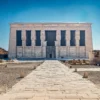
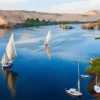
While the desert is a destination in its own right, most travelers pair it with Egypt’s other legendary experiences. A Nile cruise, for instance, offers a completely different but equally rewarding perspective — floating past riverside villages, temples, and farmland while the desert stretches out beyond the fertile valley on either side. Tours such as the Egypt Sahara Desert Tour: Cairo, Nile Cruise & White Desert are designed specifically for travelers who want to experience both worlds: the timeless flow of the Nile and the dramatic silence of the Sahara, all in a single trip.
This kind of combined itinerary tends to be especially popular because it captures the full spectrum of what makes Egypt so unique — ancient history along the river, and raw natural beauty in the desert beyond it.
Tips for a Safe and Enjoyable Desert Safari
- Always travel with a licensed guide. Desert terrain can be disorienting, and experienced local drivers know how to navigate safely, especially during dune bashing.
- Stay hydrated. Even in cooler months, the dry desert air can dehydrate you quickly. Drink water regularly, even if you don’t feel thirsty.
- Respect local customs. Many desert communities are Bedouin, with their own traditions and etiquette. Dress modestly and ask permission before taking photos of local people.
- Prepare for temperature swings. Desert days can be hot while nights drop sharply in temperature — layered clothing is essential.
- Protect your gear. Fine desert sand can damage cameras and electronics, so bring protective cases or bags.
- Book in advance during peak season. October through April is high season for desert safaris, so popular routes and campsites can fill up quickly.
Why an Egypt Desert Safari Should Be on Your Bucket List
Egypt’s ancient temples and pyramids rightfully draw millions of visitors every year, but the country’s deserts offer something equally powerful: a sense of scale, silence, and natural wonder that’s hard to find anywhere else. An Egypt desert safari isn’t just a side trip — it’s a chance to see a completely different, often overlooked side of the country, one shaped by wind, time, and centuries of Bedouin tradition.
Whether you have a single day to spare for a quick dune-bashing excursion or a full week to explore the White Desert, Siwa Oasis, and beyond, there’s a desert safari experience suited to nearly every traveler. Pair it with Cairo’s museums, a Nile cruise, or the temples of Luxor and Aswan, and you’ll come away with a far richer, more complete picture of what Egypt has to offer.
Final Thoughts
An Egypt desert safari offers something increasingly rare in modern travel: genuine adventure paired with breathtaking natural beauty. From the surreal white rock formations of the Sahara to nights spent camping under a sky full of stars, this is an experience that stays with travelers long after they’ve returned home. If you’re planning a trip to Egypt, don’t let the desert be an afterthought — make it a central part of your journey, and you’ll discover a side of the country that few visitors ever get to see.