
If you’re dreaming about Tours to Egypt from USA, you already know the hard part isn’t deciding whether to go — it’s figuring out how to make the trip actually work. Long flights, unfamiliar logistics, visa questions, and a bucket-list list of sites that can feel impossible to fit into one itinerary all add up to a planning headache before you’ve even packed a bag. The good news is that thousands of American travelers make this journey every year, and with the right information, planning your Egypt vacation from the USA can be surprisingly simple. In this guide, we’ll walk through everything you need to know: flights, visas, costs, the best time to go, must-see attractions, and how to decide between a private tour and a classic tour experience. By the end, you’ll have a clear roadmap for turning “someday” into a booked trip.
Is Egypt a good vacation destination for Americans? Yes. Tours to Egypt from USA are increasingly popular, with direct and one-stop flight options from major U.S. cities, a straightforward e-visa process, and a well-developed tourism industry centered around Cairo, Luxor, Aswan, and the Red Sea coast. Most trips run 7–12 days, cost between $2,500–$6,000 per person depending on the level of service, and can be booked as either private tours for flexibility or classic tours for structure and value.
Why Americans Are Choosing Egypt in 2026
Egypt has become increasingly popular among U.S. travelers in recent years, thanks to improved infrastructure, the highly anticipated Grand Egyptian Museum near the Pyramids of Giza, and a growing selection of Nile cruises and tour operators catering to American travelers’ schedules and preferences. Unlike destinations that may require years of saving, an Egypt vacation from the USA can offer excellent value for money, especially when you consider the quality of accommodations, guided experiences, and dining available at local prices. That’s why many U.S. travelers are exploring our best-selling Egypt Tours 2026 to find the right itinerary before booking
Planning Your Trip: Flights, Visas, and Entry Requirements
Flights from the USA to Egypt
There are no regularly scheduled nonstop flights from the U.S. to Egypt on a year-round basis, so most American travelers connect through a major European or Middle Eastern hub such as Istanbul, Frankfurt, London, Paris, or Doha. Flight time from the East Coast typically runs 12–16 hours total with a layover, while West Coast travelers should plan for 16–20 hours. Cairo International Airport (CAI) is the main gateway for most itineraries.
Booking tips:
- Book 2–4 months in advance for the best fares.
- Consider flying into Cairo and out of a different city (like Luxor or Hurghada) if your itinerary includes multiple regions — many tour operators can arrange this.
- Set fare alerts, since prices from the USA to Egypt can fluctuate significantly by season.
Visa Requirements for U.S. Citizens
American citizens need a visa to enter Egypt, but the process is simple. Most travelers apply for an e-visa online before departure, which typically takes a few business days to process. A visa-on-arrival option is also available at major airports for an additional fee, though the e-visa is generally recommended to avoid airport lines. Make sure your passport has at least six months of validity remaining from your date of entry.
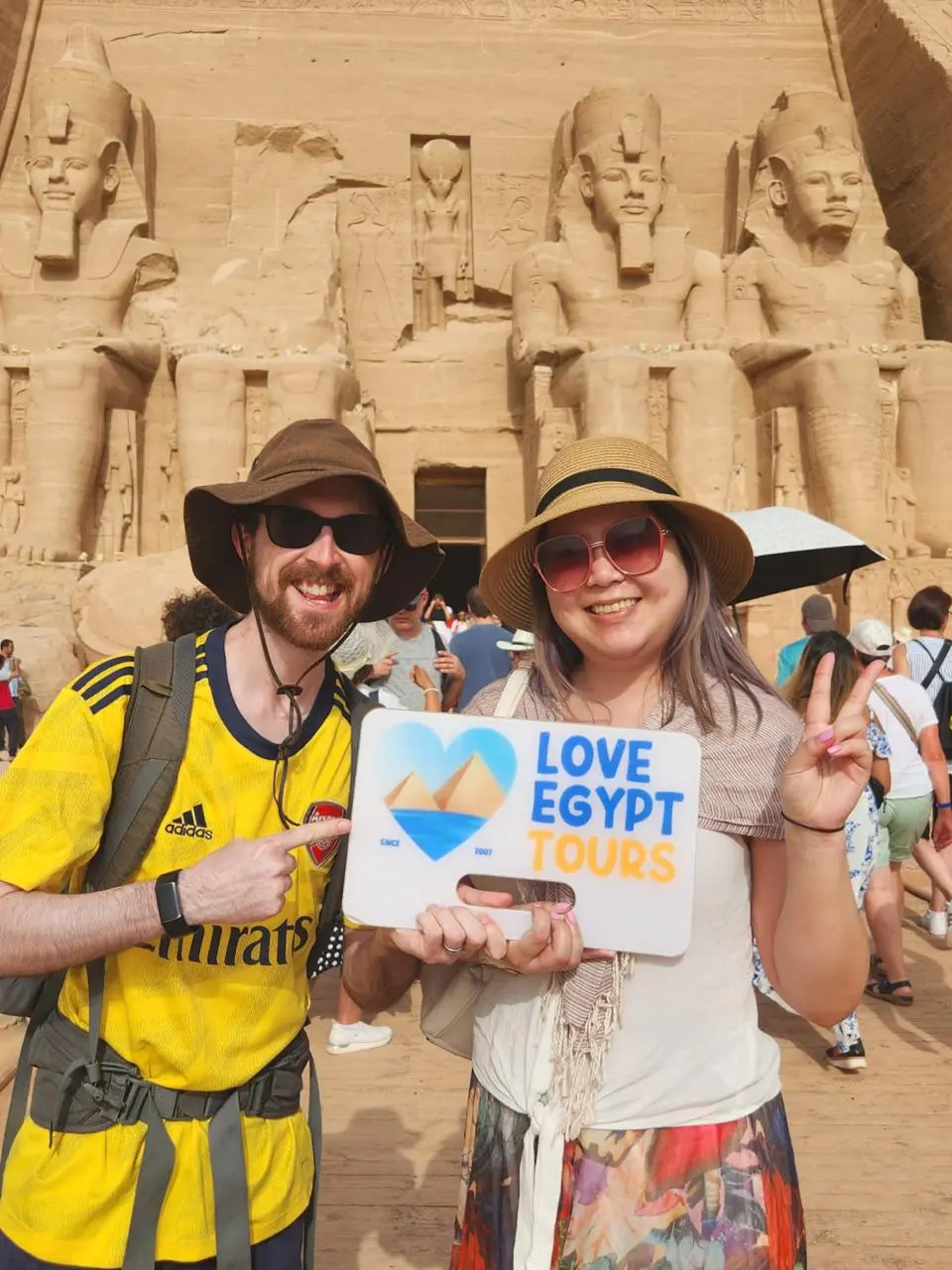
Let’s spend the best 7 days in Egypt on a Cairo and Nile Cruise adventure with Love Egypt Tours!
Best Time to Visit Egypt from the USA
Timing your vacation to Egypt from the USA around the weather makes a huge difference in comfort.
- October to April (Peak Season): Mild, pleasant temperatures, especially in Cairo, Luxor, and Aswan. This is the most popular window for American travelers and the best time for sightseeing on foot.
- May and September (Shoulder Season): Warmer but manageable, with fewer crowds and often better rates on hotels and tours.
- June to August (Summer): Very hot, particularly in Upper Egypt (Luxor and Aswan), where temperatures can exceed 100°F. This period suits travelers who prioritize the Red Sea coast, where sea breezes offset the heat, or those who don’t mind the intensity in exchange for lower prices and thinner crowds at major sites.
Top Destinations and Attractions
Cairo: Where Ancient and Modern Egypt Meet
Cairo is the natural starting point for almost every Egypt vacation from the USA.
- Pyramids of Giza and the Great Sphinx – The last surviving wonder of the ancient world, and non-negotiable on any Egypt itinerary.
- The Grand Egyptian Museum – Home to a vast collection of artifacts, including treasures from Tutankhamun’s tomb.
- Old Cairo and Coptic Cairo – Narrow lanes, ancient churches, and a glimpse into Egypt’s religious history.
- Khan El Khalili Bazaar – A centuries-old market perfect for souvenirs, spices, and people-watching.
Luxor: The World’s Greatest Open-Air Museum
Often called the world’s largest open-air museum, Luxor sits on the site of ancient Thebes.
- Karnak Temple Complex – An enormous temple complex built over centuries by multiple pharaohs.
- Valley of the Kings – The burial ground of pharaohs, including Tutankhamun.
- Luxor Temple – Beautifully lit at night, and easy to combine with a Nile-side stroll.
- Hatshepsut Temple – A dramatic mortuary temple carved into desert cliffs.
Aswan and the Nile
Aswan offers a quieter, more relaxed atmosphere, along with access to some of Egypt’s most striking sites.
- Philae Temple – Dedicated to the goddess Isis, accessible by a short boat ride.
- High Dam – A feat of modern engineering with panoramic views.
- Nubian Village Visits – A colorful, culturally rich experience along the riverbanks.
- Nile Cruises – Multi-day cruises between Luxor and Aswan are one of the most popular ways to see Upper Egypt.

The Red Sea Coast
For travelers who want to pair history with relaxation, Hurghada and Sharm El Sheikh offer world-class diving, snorkeling, and beach resorts.
Let’s explore the Red Sea through our Cairo, Nile Cruise & Hurghada in 10 Days tour.
What to Expect on an Egypt Vacation
The Experience: Egypt rewards curiosity. Expect knowledgeable guides, dramatic desert landscapes, and sites that feel genuinely ancient rather than staged for tourism.
Crowds: Major sites like the Pyramids and Karnak Temple can get busy, especially midday and during peak season (October–April). Early morning visits are noticeably calmer.
Costs: Egypt remains one of the better values in the Middle East and North Africa. Meals, domestic transportation, and guided tours are generally affordable compared to European destinations, even factoring in international flights.
Weather: Hot and dry for most of the year, with cooler evenings in the desert. Pack layers if you’re traveling in winter months, when mornings and nights can be surprisingly cool.
Transportation: Domestic flights, private drivers, and Nile cruises make getting between Cairo, Luxor, and Aswan straightforward. Many travelers prefer arranging private transportation for comfort and efficiency.
Photography Opportunities: Egypt is a photographer’s dream — sunrise over the Pyramids, golden-hour shots at Karnak, and the deep blues of the Red Sea all make for unforgettable images.
Practical Information
- Opening Hours: Most major sites, including the Pyramids and Egyptian Museum, are open daily from approximately 8:00 AM to 5:00 PM, with extended hours during peak season. Hours can shift for holidays, so check current schedules before your visit.
- Ticket Prices: Entrance fees vary by site and are typically paid in Egyptian pounds, though prices are pegged to reflect international visitor rates. Many tour packages include entrance fees, which simplifies budgeting.
- Best Time to Visit: October through April for comfortable sightseeing weather.
- How to Get There: Fly into Cairo International Airport via a connecting flight from a major U.S. hub, then continue domestically to Luxor, Aswan, or the Red Sea as needed.
- Suggested Duration: 7–10 days allows time for Cairo, a Nile cruise or Luxor/Aswan stay, and at least one day of rest or beach time.
Why Private Tours Are the Best Way to See Egypt
One of the biggest decisions when booking your Egypt vacation from the USA is how you want to experience the country, and for most American travelers, a private tour is the clear winner.
U.S. travelers are typically coming from far away, working with limited vacation days, and dealing with jet lag from a long-haul flight and multiple time zones. A private tour is built entirely around your schedule, pace, and interests, which means every hour of your trip works harder for you. A private guide and driver mean no waiting on a group to gather, no fixed wake-up times dictated by someone else’s itinerary, and the freedom to sleep in after a red-eye connection, linger an extra hour at the Pyramids for the perfect photo, or skip a stop that doesn’t interest you in favor of more time somewhere you love.
Guides on private tours also tend to tailor their commentary specifically to you — going deeper into ancient history for a history buff, keeping things light and interactive for kids, or slowing the pace for travelers with mobility considerations. Transportation is arranged around your itinerary rather than a bus schedule, so transfers between sites, hotels, and even cities feel seamless instead of rushed.
For families, honeymooners, multigenerational trips, and travelers who want a comfortable, VIP-style experience after crossing an ocean to get there, a private tour consistently delivers the most efficient and enjoyable use of a short vacation window. It also opens the door to fully customized additions, like a private hot air balloon ride over Luxor at sunrise, a private Nile felucca sail, or extra unhurried time inside the Grand Egyptian Museum — experiences that are hard to replicate on a fixed group schedule.
Yes, a private tour typically costs more per person than a group option, but for many Americans, that extra cost buys back something even more valuable on a trip this far from home: time, flexibility, comfort, and a truly personalized journey through Egypt.
Expert Tips for Your Egypt Vacation
- Visit major sites early in the morning to beat both the heat and the crowds.
- Carry small bills in Egyptian pounds and US dollars, since cash is useful for tips and small vendors.
- Wear comfortable, closed-toe walking shoes — many sites involve uneven terrain and significant walking.
- Stay hydrated, especially in Upper Egypt, where the desert climate can be deceptively dehydrating.
- Dress modestly, particularly when visiting mosques or more conservative areas, out of respect for local customs.
- Hire a licensed guide (included in most private tours and classic tours) to get context that dramatically enriches the experience.
- Negotiate at markets like Khan El Khalili, where bargaining is expected and part of the culture.
Real Traveler Insight
Many travelers who’ve taken vacations to Egypt from the USA mention that arriving at the Pyramids of Giza before 8:00 AM makes an enormous difference — cooler temperatures, softer light for photos, and noticeably fewer tour buses. Similarly, those who’ve done a Nile cruise between Luxor and Aswan often say the unhurried pace of watching the riverbanks pass by became one of the most memorable parts of their entire trip, even more than the temples themselves.
Common Mistakes to Avoid
- Visiting major sites during peak midday hours, when heat and crowds are both at their worst.
- Not booking tickets or tours in advance, especially during high season (November–February).
- Underestimating walking distances and uneven terrain at archaeological sites — comfortable shoes are essential.
- Ignoring local dress codes, particularly at religious sites.
- Packing too tight an itinerary, leaving no room to simply enjoy the atmosphere of a place like Aswan or a Nile-side café.
- Skipping travel insurance, which is especially useful for a longer international trip like this.
Related Attractions Worth Adding to Your Itinerary
If you’re building an itinerary around the Pyramids of Giza, consider also adding:
- Saqqara – Home to the Step Pyramid of Djoser, Egypt’s oldest large-scale stone monument.
- Memphis – The ancient capital of Egypt, with a fascinating open-air museum.
- Dahshur – Less crowded pyramid fields, including the famous Bent Pyramid.
If you’re visiting Luxor, pair it with:
- Esna and Edfu Temples – Often included on Nile cruise itineraries between Luxor and Aswan.
- Abydos and Dendera – Slightly farther afield but rich in beautifully preserved temple art.
Suggested Itinerary
One-Day Itinerary (Cairo Highlights): Morning at the Pyramids of Giza and Sphinx, followed by the Grand Egyptian Museum, then an afternoon exploring Khan El Khalili Bazaar.
Two-Day Itinerary (Cairo Deep Dive): Day 1: Pyramids of Giza, Sphinx, and the Grand Egyptian Museum. Day 2: Old Cairo, Coptic churches, and Khan El Khalili, with an evening felucca ride on the Nile.
Three-Day Itinerary (Cairo + Luxor Taste): Day 1: Pyramids and Egyptian Museum in Cairo. Day 2: Fly to Luxor, visit Karnak Temple and Luxor Temple. Day 3: Valley of the Kings, Hatshepsut Temple, and a felucca sail before returning to Cairo or continuing to Aswan.
For a fuller experience, many travelers extend this into a 7–10 day Egypt vacation from the USA that adds a multi-day Nile cruise and a few days on the Red Sea coast.
Frequently Asked Questions
Is Egypt worth visiting from the USA?
Yes. Few destinations offer the same density of world-famous historical sites, and the value for money is strong compared to many other international destinations.
How long should I spend in Egypt?
Most travelers find 7–10 days ideal for covering Cairo, Luxor, and Aswan, with additional days if you want to add the Red Sea coast.
What is the best time to visit Egypt?
October through April offers the most comfortable temperatures for sightseeing.
Can I take photos at the major sites?
Yes, photography is generally allowed at outdoor sites. Some indoor areas, like certain tombs and museum galleries, may restrict photography or charge a separate camera fee.
Is Egypt family-friendly?
Yes. Many families choose private tours specifically because they allow a flexible pace suited to children, along with guides experienced in making history engaging for younger travelers.
Do I need a visa as a U.S. citizen?
Yes, U.S. citizens need a visa, most commonly obtained through the e-visa system before travel.
Should I book a private tour or a classic tour?
It depends on your priorities. Private tours offer flexibility, comfort, and a personalized pace, while classic tours offer structure, social interaction, and often a lower price point. Many travelers combine both for the best of each.
Is Egypt safe for American tourists?
Yes. Popular destinations such as Cairo, Luxor, Aswan, and the Red Sea resorts welcome large numbers of international visitors each year and maintain established tourism infrastructure and security measures around major sites.
Conclusion
Planning vacations to Egypt from the USA doesn’t have to be complicated. With a clear sense of the flights, visa process, best travel season, and must-see destinations, you can build an itinerary that balances the icons — the Pyramids, Karnak, the Nile — with the flexibility to slow down and actually enjoy them. Whether you choose a private tour for total flexibility, a classic tour for structure and value, or a blend of both, Egypt delivers an experience that’s genuinely unlike anywhere else on Earth.
Ready to Start Planning?
Ready to explore Egypt? Discover our Egypt tour 2026, and start planning your unforgettable adventure today