
Egypt is a destination where every day can reveal a different chapter of history, from the Great Pyramids of Giza and the treasures of Cairo to the magnificent temples of Luxor and Aswan. But if you are visiting for the first time, choosing how to explore these incredible places can be challenging.
Should you experience the country from the comfort of a Nile cruise, watching traditional villages and green riverbanks pass by, or choose a land tour that gives you greater freedom to explore Egypt’s cities, museums, deserts, and ancient monuments?
The answer depends on your travel style, budget, available time, and the experiences you value most. A cruise offers a relaxing way to explore many of Upper Egypt’s famous archaeological sites, while a land tour gives you more flexibility to discover destinations beyond the Nile.
In this guide, we compare a Nile cruise vs. a land tour in Egypt, covering costs, itineraries, sightseeing opportunities, comfort, transportation, and practical travel tips. Whether you are planning a short holiday or a longer Egyptian adventure, you will discover which option suits your first visit best—and why combining both may be the smartest choice.
Quick Answer: Is a Nile Cruise or Land Tour Better for First-Timers?
A Nile cruise is ideal for first-time visitors who want a comfortable, organized journey between Luxor and Aswan, with river views, guided excursions, and convenient accommodation. An Egypt land tour is better for travelers who want flexibility and broader sightseeing, including Cairo, the Pyramids of Giza, museums, and destinations beyond the Nile Valley.
Our recommendation: If your schedule allows, combine a land tour of Cairo and Giza with a Nile cruise between Luxor and Aswan. This gives you a more complete introduction to Egypt without sacrificing the comfort of traveling by river.
1. What Is the Difference Between a Nile Cruise and an Egypt Land Tour?
Before booking your holiday, it helps to understand what each travel style includes and how it affects your overall experience.
What Is a Nile Cruise?
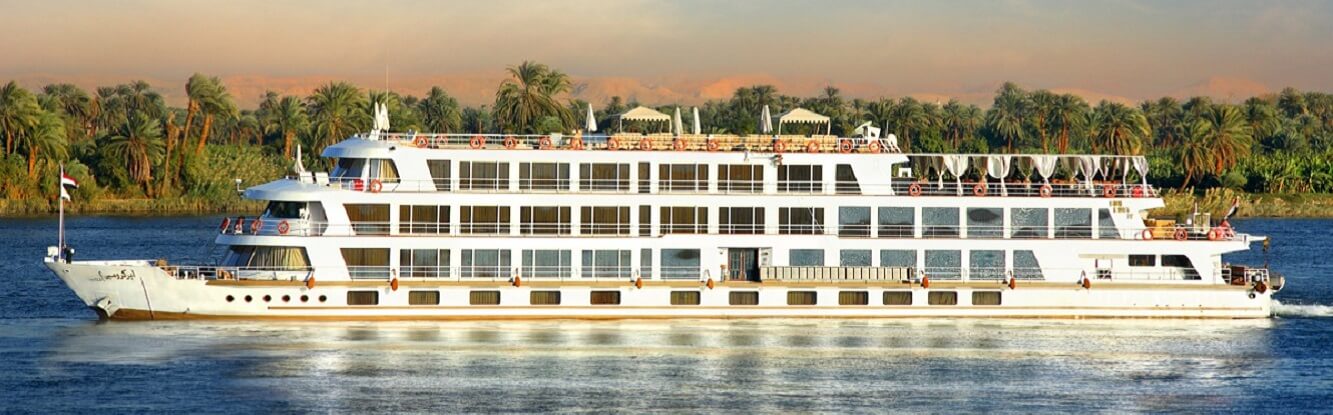
A Nile cruise is a river journey, usually between Luxor and Aswan, aboard a cruise ship or a traditional sailing vessel. Most standard cruise itineraries include accommodation on board, meals according to the package, and scheduled excursions to major historical sites.
Depending on the itinerary, you may visit Karnak Temple, Luxor Temple, the Valley of the Kings, Edfu Temple, Kom Ombo Temple, and Philae Temple.
The main advantage is convenience. Rather than changing hotels and arranging transportation between every destination, you can unpack once and enjoy a more structured journey.
Explore available Nile River Cruises to compare itineraries, onboard facilities, and sightseeing options for your first Egyptian adventure.
What Is an Egypt Land Tour?
An Egypt land tour uses hotels, private transfers, trains, domestic flights, or road transportation to connect different destinations. Depending on the itinerary, it can cover Cairo, Giza, Luxor, Aswan, Alexandria, the Red Sea, or even selected desert destinations.
Land tours can be private, small-group, or fully customized. They are especially useful if you want to spend more time at a particular attraction, explore local neighborhoods, or combine ancient history with modern Egyptian culture.
For example, a well-planned Egypt Land Tour can include the Pyramids of Giza, the Grand Egyptian Museum when available for your travel dates, historic Cairo, and a separate journey to Luxor and Aswan.
Unlike a cruise, a land tour does not necessarily follow a fixed daily schedule. You can often choose your hotel category, transportation style, sightseeing pace, and additional destinations.
Discover the wonders of Egypt with our unforgettable Egypt Land Tour and explore ancient treasures, iconic landmarks, and the timeless beauty of Egypt!

2. Nile Cruise vs. Land Tour: Which Offers the Better Experience?
The best option depends on what you want from your first visit to Egypt.
| Comparison | Nile Cruise | Egypt Land Tour |
|---|---|---|
| Overall experience | Relaxing river journey | Flexible, destination-focused travel |
| Best destinations | Luxor, Edfu, Kom Ombo, Aswan | Cairo, Giza, Alexandria, Luxor, Aswan, and more |
| Accommodation | Usually one cruise cabin | Hotels or a mix of accommodation types |
| Transportation | River travel between scheduled stops | Cars, buses, trains, domestic flights, or other transfers |
| Daily schedule | Generally fixed | Often customizable |
| Sightseeing | Excursions follow the cruise route | More freedom to add or change visits |
| Comfort | Convenient, with onboard amenities | Depends on hotels and transportation selected |
| Budget | Depends on cabin, cruise category, and inclusions | Depends on hotels, transfers, flights, and activities |
| Ideal duration | Commonly 3–5 nights, depending on route | Flexible, from short breaks to extended holidays |
| Best for | Travelers who enjoy comfort and structured sightseeing | Travelers who prioritize variety and flexibility |
Neither option is automatically cheaper or better. The total cost depends on what is included, how you travel, your accommodation preferences, and the season.
3. Why Choose a Nile Cruise for Your First Trip to Egypt?
A Nile cruise offers a distinctive way to discover Egypt’s ancient history while enjoying the scenery and rhythm of life along the river.
Enjoy the Scenery Without Constantly Changing Hotels
One of the biggest advantages of a cruise is that your accommodation travels with you. You can enjoy the journey between destinations without repeatedly packing, checking out, and arranging ground transfers.
Between excursions, relax on the sun deck, enjoy a meal, or watch the changing landscape along the Nile.
Visit Several Ancient Sites on One Journey
Cruise itineraries are designed around some of Upper Egypt’s most important historical attractions.
Depending on the route, your excursions may include:
- Karnak Temple: An extensive temple complex in Luxor.
- Valley of the Kings: The royal burial ground on Luxor’s west bank.
- Edfu Temple: A remarkably preserved temple dedicated to Horus.
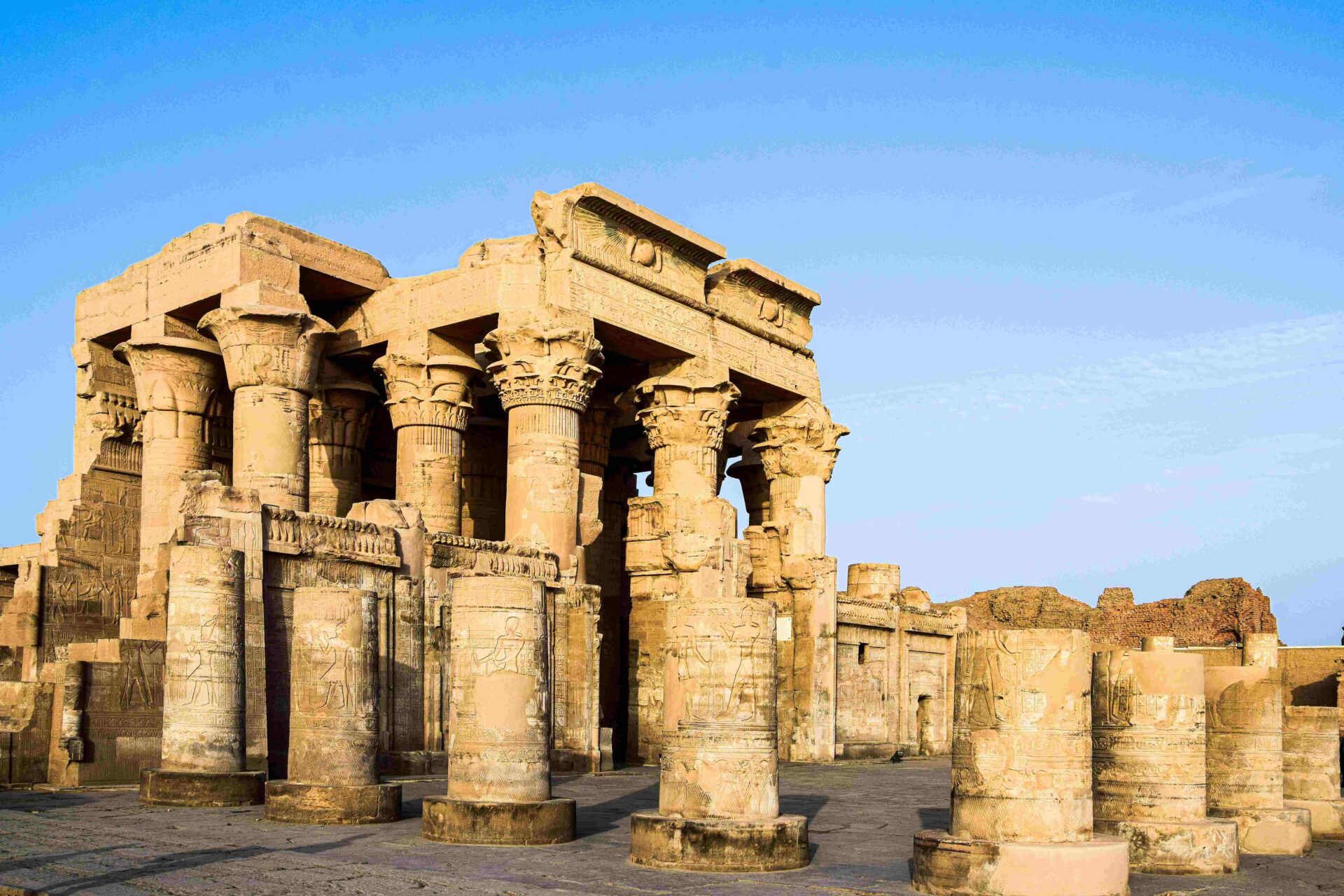
- Kom Ombo Temple: A distinctive double temple overlooking the Nile.
- Philae Temple: A beautiful temple complex associated with the goddess Isis near Aswan.
Not every cruise includes every attraction, so check the precise itinerary before booking. Abu Simbel, for example, generally requires a separate excursion from Aswan.
Enjoy a More Predictable Travel Schedule
If you prefer organized travel, a cruise can make logistics easier. Meals, accommodation, transport between cruise stops, and selected guided visits may be included in one package.
This is particularly helpful for first-time international travelers who would rather focus on the experience than coordinate every transfer themselves.
What Are the Disadvantages of a Nile Cruise?
A cruise also has limitations. Excursions usually follow fixed departure times, and you may have limited time at each site. You cannot expect a standard Luxor–Aswan cruise to cover all of Egypt, including Cairo’s pyramids and major museums.
Some travelers may also find the daily excursions demanding, particularly when visits begin early in the morning or involve considerable walking in hot weather.
Best for: Couples, history enthusiasts, first-time visitors who appreciate convenience, and travelers who want a memorable journey through Upper Egypt.
4. Why Choose an Egypt Land Tour Instead?
A land tour is often the better option if you want to experience Egypt beyond its most famous river destinations.
Explore Cairo and the Pyramids at Your Own Pace
Cairo and Giza offer a different side of Egypt from the temples of Upper Egypt. You can visit the Pyramids of Giza, explore museums, discover historic neighborhoods, and sample local food.
A land-based itinerary also makes it easier to adjust the amount of time you spend at each attraction. Instead of following a cruise excursion timetable, you may be able to arrange a private guide or a longer museum visit.
Discover More Than One Region
Egypt is much larger and more varied than a typical Nile cruise route suggests.
Depending on your interests, a land tour can combine:
- Cairo and Giza for ancient monuments, museums, and city experiences.
- Alexandria for Mediterranean scenery and a distinctive historical character.
- Luxor and Aswan for temples, tombs, and Nile Valley heritage.
- Hurghada or Sharm El Sheikh for beaches, snorkeling, and diving.
- Desert destinations for landscapes and experiences outside the major cities.
Travel times between these destinations vary considerably, so a realistic itinerary should account for flights, road journeys, and time to rest.
Customize Your Budget and Travel Style
Land tours can be adapted to different budgets. You might choose comfortable mid-range hotels and shared excursions, or opt for private guides, premium accommodation, and domestic flights.
You also have greater control over where to spend your money. For example, you could prioritize a special hotel in Cairo, spend an extra night in Luxor, or add a beach stay after visiting the historical sites.
What Are the Disadvantages of a Land Tour?
The main drawback is the extra planning. You may need to coordinate hotel changes, transportation, sightseeing reservations, and meal arrangements.
Long journeys can also take up valuable vacation time. A trip that tries to combine Cairo, Alexandria, Luxor, Aswan, and the Red Sea in a few days may leave you exhausted rather than satisfied.
Best for: Independent travelers, families with specific interests, photographers, beach lovers, and visitors who want to explore several Egyptian regions.
5. What Should First-Time Visitors Expect From Each Experience?
Understanding the day-to-day experience is just as important as comparing destinations.
A Typical Day on a Nile Cruise
Your day might begin with an early breakfast before joining a guided excursion to a temple or archaeological site. After returning to the ship, you may have lunch, relax on deck, or enjoy the river scenery before another scheduled activity.
Depending on your itinerary, the ship may travel during the afternoon, evening, or overnight. Some stops involve organized shore excursions, while others allow more flexibility.
Expect a balance of sightseeing and downtime, although the amount of free time varies between cruise operators and itineraries.
A Typical Day on a Land Tour
A land tour often begins with breakfast at your hotel, followed by a guided visit or transfer to your next attraction. You might spend the morning at an archaeological site, enjoy lunch at a local restaurant, and visit a museum or neighborhood in the afternoon.
Private tours may allow you to start earlier, stay longer, or adjust the schedule. However, days involving long-distance travel can be tiring, especially when several destinations are included.
Which Experience Feels More Relaxing?
A Nile cruise generally feels more convenient because your accommodation remains the same throughout the river journey. A land tour offers greater freedom but may involve more transfers and hotel changes.
That said, a well-planned land tour with private transportation and enough rest time can be just as comfortable. The quality of the itinerary matters as much as the travel format.
6. How Much Does a Nile Cruise Cost Compared With a Land Tour?
There is no single price that applies to every Nile cruise or Egypt land tour. Costs vary by travel dates, accommodation category, group size, transportation, and included activities.
Rather than comparing headline prices alone, look at the complete cost of your trip.
| Expense | Nile Cruise | Land Tour |
|---|---|---|
| Accommodation | Cruise cabin, often with meals | Hotel rooms, with meals varying by package |
| Transportation | River travel included in the cruise itinerary | Transfers, trains, road transport, and flights as needed |
| Guided sightseeing | Often included for selected excursions | May be included or charged separately |
| Entrance tickets | Check whether included | Check whether included |
| Meals | Depends on the cruise package | Depends on the hotel and tour package |
| Optional activities | Extra excursions may cost more | Extra excursions and activities may cost more |
| Tips and personal expenses | May be additional | May be additional |
How Can You Compare Prices Fairly?
When requesting quotes, check whether each package includes accommodation, meals, sightseeing, entrance tickets, guide services, transfers, and domestic flights.
Also ask about single supplements, child pricing, cancellation policies, and any optional excursions.
A low advertised price may exclude several expenses that are included in a more comprehensive package. Conversely, a premium package may offer services you do not need.
For a fair comparison, calculate the total estimated cost per person for the same travel dates and sightseeing plan.
7. Practical Information for Planning Your Egypt Trip
Good planning can make either travel style much more enjoyable.
When Is the Best Time to Visit Egypt?
The cooler months, particularly from October through April, are generally comfortable for exploring archaeological sites and taking walking tours. Temperatures can become very high in Upper Egypt during summer, especially around Luxor and Aswan.
If you travel in the warmer months, consider early-morning excursions, suitable sun protection, hydration, and accommodation with reliable air conditioning.
How Many Days Do You Need?
Use the following as a planning guide rather than a fixed rule.
| Trip style | Suggested duration | What you can cover |
|---|---|---|
| Short city break | 3–4 days | Cairo and Giza highlights |
| Nile cruise-focused trip | 4–5 days | A typical short Luxor–Aswan cruise, depending on departure schedule |
| Broader Egypt land tour | 7–10 days | Cairo, Luxor, and Aswan with planned transfers |
| Combined first-time trip | 9–12 days | Cairo and Giza plus a Nile cruise |
| Extended Egypt holiday | 12–14+ days | Historical sites with extra time for Alexandria or a Red Sea stay |
These durations are approximate. Cruise schedules, flight availability, and the number of attractions you want to visit will affect the final itinerary.
How Do You Get Between Cairo, Luxor, and Aswan?
For most first-time visitors, domestic flights can reduce travel time between Cairo and Upper Egypt. Trains and road transportation may also be suitable, depending on the route, schedule, and comfort level you prefer.
A Nile cruise typically covers a defined section of the journey between Luxor and Aswan. It does not replace the separate journey needed to reach Cairo.
Check transport schedules and connection times before confirming hotels or cruise departures, particularly when connecting an international arrival to a domestic flight.
Do You Need Entrance Tickets or Special Permits?
Many major archaeological sites and museums require paid admission. Ticket prices, opening hours, eligibility for discounts, and access arrangements can change.
For your specific trip, confirm whether entrance fees are included in your tour and whether separate tickets are needed for special tombs, pyramid interiors, exhibitions, or optional activities.
What Should You Pack?
For either travel style, bring comfortable walking shoes, lightweight clothing suitable for the weather, sun protection, a reusable water bottle, and any personal medication you need.
A small day bag is useful for excursions. If you are taking a cruise, also check the ship’s dress guidance, laundry facilities, cabin amenities, and luggage arrangements.
8. Expert Tips for Choosing the Right Egypt Experience
The best itinerary is not necessarily the one that includes the most attractions. It is the one that gives you enough time to enjoy the places you have traveled so far to see.
Here are practical planning tips to help you make the right decision.
1. Choose Your Must-See Attractions First
If the Pyramids of Giza and Cairo museums are your highest priorities, build your itinerary around Cairo before deciding whether to add a cruise.
If your main interests are ancient temples, royal tombs, and Nile scenery, allocate enough time to Luxor and Aswan.
2. Compare Cruise Itineraries, Not Just Ship Categories
Two cruises advertised at the same length may offer different routes, excursions, departure times, and inclusions.
Check the actual schedule, not just the ship photographs or cabin description. Find out how much time you will have at each site and whether any advertised excursions are optional extras.
3. Leave a Buffer Between Your Flight and Cruise
Avoid planning a tight connection between an international arrival and a cruise departure. Delays can disrupt a carefully arranged itinerary.
When practical, spend a night in Cairo or Luxor before the relevant departure. Confirm the cruise’s embarkation arrangements and your transfer details in advance.
4. Do Not Underestimate Travel Times
Distances on a map can be misleading. Traffic, road conditions, airport procedures, and transfers between hotels and attractions all affect your schedule.
Choose fewer destinations if necessary. A relaxed visit to Cairo, Luxor, and Aswan is often more rewarding than attempting to cover the entire country in a week.
5. Check What Is Included in Writing
Ask your tour operator to confirm meals, accommodation, transfers, entrance tickets, guide services, and optional excursions in writing.
This makes it easier to compare offers and reduces the risk of unexpected costs during the trip.
6. Plan Around the Weather
In hotter months, arrange outdoor sightseeing for earlier in the day whenever possible. Allow time for breaks, carry water, and avoid scheduling too many physically demanding activities back to back.
7. Consider a Hybrid Itinerary
For many first-time visitors, the most practical solution is to combine both travel styles.
Start with Cairo and Giza on a land tour, then fly to Luxor and board a cruise to Aswan. This approach covers Egypt’s famous northern landmarks and the historic Nile Valley in one trip.
9. Real Traveler Insight
Combining a Nile cruise with a land tour was a wonderful way to discover Egypt. We loved exploring the Pyramids of Giza and relaxing on the Nile while visiting the ancient temples of Luxor and Aswan. It was the perfect mix of adventure, history, and relaxation
10. Common Mistakes to Avoid When Planning Your First Egypt Trip
Even a well-researched trip can become stressful if the itinerary is unrealistic or important details are overlooked.
Trying to Visit Too Many Destinations
Combining Cairo, Alexandria, Luxor, Aswan, Abu Simbel, and the Red Sea in a short holiday can leave little time for meaningful sightseeing.
Choose your priorities and allow enough time for transfers and rest.
Assuming Every Nile Cruise Includes the Same Attractions
Cruise routes and excursion packages vary. Check the exact itinerary, including the embarkation point, disembarkation point, and any additional transport needed.
Comparing Packages Without Checking Inclusions
A cheaper tour may not include admission tickets, meals, guides, or transfers. Compare the full package rather than the advertised starting price.
Booking a Cruise Before Confirming Your Flights
Cruise departure days and flight schedules do not always align conveniently. Check your arrival time and transfer arrangements before making non-refundable reservations.
Ignoring the Heat and Walking Distances
Ancient temples and archaeological areas can involve long walks with limited shade. Comfortable shoes, sun protection, water, and realistic daily schedules make a significant difference.
Leaving No Time for Spontaneous Experiences
Not every memorable moment needs to be a major attraction. Leave room for a local meal, a relaxed walk, a traditional market, or simply enjoying the Nile views.
11. Related Attractions to Include in Your Egypt Itinerary
Whether you choose a cruise or a land tour, these destinations can help you build a memorable first visit.
Cairo and Giza
- Pyramids of Giza: Egypt’s iconic pyramid complex and the Great Sphinx.
- Grand Egyptian Museum: A major museum destination near Giza; check current opening arrangements and exhibition access before visiting.
- Historic Cairo: A chance to explore historic streets, mosques, markets, and local culture.
Luxor
- Karnak Temple: An extensive ancient religious complex.
- Luxor Temple: A major monument that is especially atmospheric when illuminated after dark.
- Valley of the Kings: Royal tombs carved into the hills on Luxor’s west bank.
Edfu and Kom Ombo
- Edfu Temple: A major stop on many Luxor–Aswan cruise itineraries.
- Kom Ombo Temple: A riverside temple complex often included on cruises between Edfu and Aswan.
Aswan and Beyond
- Philae Temple: A temple complex reached by boat, associated with the goddess Isis.
- Nubian villages: An opportunity to learn about Nubian culture and traditions through responsible local experiences.
- Abu Simbel: Famous for its monumental rock-cut temples, usually visited on a separate excursion from Aswan.
For further planning, link these attraction names to your existing destination guides, such as Things to Do in Cairo, Best Places to Visit in Luxor, and Things to Do in Aswan. Replace these example paths with your published URLs.
12. Suggested Itinerary: How to Combine a Nile Cruise and Land Tour
If you have around 9–10 days, this sample itinerary offers a balanced introduction to Egypt. It is a planning example, not a guaranteed schedule; flight times and cruise departure dates must be checked before booking.
| Day | Destination | Suggested activities |
|---|---|---|
| Day 1 | Cairo | Arrive, transfer to your hotel, and rest |
| Day 2 | Giza and Cairo | Visit the pyramids and selected museums or attractions |
| Day 3 | Cairo to Luxor | Take a suitable domestic flight and visit a selected attraction if time permits |
| Day 4 | Luxor | Explore Karnak Temple and Luxor Temple |
| Day 5 | Luxor | Visit the Valley of the Kings and other west-bank highlights; embark on a cruise according to the actual schedule |
| Day 6 | Nile cruise | Visit scheduled sites such as Edfu, depending on the itinerary |
| Day 7 | Nile cruise | Explore Kom Ombo or another scheduled stop |
| Day 8 | Aswan | Visit Philae Temple and explore the city |
| Day 9 | Aswan | Optional Abu Simbel excursion or a more relaxed day |
| Day 10 | Departure | Transfer to the airport or continue your Egyptian holiday |
Some cruises operate in the opposite direction, and embarkation or disembarkation days may change the sequence. If your selected cruise does not fit this schedule, rearrange the land portion around its confirmed departure dates.
For a shorter holiday, prioritize Cairo and Giza plus a 3–4-night cruise, if the available departure schedule allows. For a longer visit, consider adding Alexandria or a Red Sea stay rather than squeezing more attractions into every day.
13. Frequently Asked Questions About Nile Cruises and Egypt Land Tours
Is a Nile cruise worth it for first-time visitors to Egypt?
Yes, a Nile cruise can be an excellent introduction to Luxor, Edfu, Kom Ombo, and Aswan. It combines river scenery, accommodation, and organized sightseeing, although Cairo and the Pyramids of Giza usually require a separate land-based visit.
Is a Nile cruise better than a land tour?
A Nile cruise is generally better for travelers who value convenience, river views, and a structured itinerary through Upper Egypt. A land tour is better for travelers who want greater flexibility and a wider choice of destinations. Combining both is an excellent option for many first-time visitors.
How many days do you need for a Nile cruise in Egypt?
Many common itineraries last around 3–5 nights, depending on the route and departure schedule. Allow additional time for Cairo, Giza, flights, and any excursions that are not included in the cruise.
Can you visit the Pyramids of Giza on a Nile cruise?
A standard Luxor–Aswan Nile cruise does not normally include the Pyramids of Giza because they are near Cairo, far from the usual cruise route. Plan a separate stay or land tour in Cairo and Giza.
Is a Nile cruise cheaper than an Egypt land tour?
Not necessarily. A cruise may include accommodation, meals, river transport, and selected guided excursions, while a land tour may offer more control over hotel and transportation costs. Compare the total price and inclusions for the same dates and travel requirements.
What is the best time of year for a Nile cruise?
October through April is generally a comfortable period for sightseeing in Upper Egypt because temperatures are often milder than during summer. Conditions vary, so check the forecast and plan outdoor visits accordingly.
Is it possible to combine a Nile cruise with a Cairo land tour?
Yes. Many travelers visit Cairo and Giza first, then travel to Luxor for a Nile cruise ending in Aswan, or follow the route in reverse. Check domestic flight schedules and the cruise embarkation dates before confirming the itinerary.
Is a Nile cruise suitable for families and older travelers?
It can be, particularly for travelers who appreciate having accommodation and transport organized. However, excursions may involve steps, uneven surfaces, heat, and early starts. Check accessibility, walking requirements, cabin facilities, and the excursion schedule before booking.
Conclusion: Which Is Better for First-Timers—Nile Cruise or Land Tour?
Choosing between a Nile cruise and a land tour comes down to the kind of Egyptian experience you want.
A Nile cruise is an excellent choice if you want a comfortable, organized journey through the historic Nile Valley, with beautiful scenery and convenient access to several major ancient sites. A land tour is the stronger option if you want flexibility, more time in Cairo and Giza, and the freedom to explore a wider range of destinations.
For many first-time visitors, the best choice is a combination of both. Explore Cairo and the Pyramids of Giza on land, then continue to Luxor and Aswan on a Nile cruise. With a realistic schedule and carefully chosen inclusions, you can experience two very different sides of Egypt in one memorable holiday.
Ready to Plan Your Egyptian Adventure?
Discover our exciting Nile River Cruise packages and experience Egypt’s timeless wonders from the water. Prefer exploring at your own pace? Explore our Egypt Land Tours and create an unforgettable journey tailored to your interests, schedule, and budget.
Whichever you choose, let Egypt’s ancient history, breathtaking landscapes, and rich culture make your next adventure truly extraordinary!