
Every year, travelers ask the same question: should I go to Egypt in summer, when the Red Sea is warm, or in winter, when the temples are actually comfortable to explore? After guiding and planning trips along the Nile for years, my answer is almost always winter. [Add one or two sentences of first-hand experience here, e.g. “I stood in the Valley of the Kings in January and for the first time all day I wasn’t looking for shade.
The truth is that Egypt in winter is not a single climate. Cairo can feel crisp and breezy, Luxor is sunny and mild, Alexandria can be rainy, and the Sinai mountains can drop close to freezing at night. Pack for the wrong city and you’ll either shiver on a felucca or sweat in a wool jumper.
This guide breaks down the weather city by city, the best places to visit between December and February, what crowds and prices look like, and the mistakes I see travelers make again and again. By the end you’ll know where to go, what to pack and how to plan your days.
Quick Answer: Is Winter a Good Time to Visit Egypt?
Yes. December to February is the most comfortable time to visit Egypt’s historic sites. Daytime temperatures in Cairo, Luxor and Aswan are roughly 18–26°C (64–79°F), ideal for temples, tombs and the pyramids. Nights are cold, the Red Sea is cool but swimmable in some resorts, and the period around Christmas and New Year is the busiest and most expensive. Book early for that window.
What Is the Weather Really Like in Egypt in Winter?
Winter runs roughly from December to February, with November and March acting as shoulder months. These are typical ranges, and actual weather varies each year:
| Destination | Typical daytime | Typical night | What to know |
|---|---|---|---|
| Cairo & Giza | 18–21°C | 8–11°C | Dry, sometimes windy, occasional light rain |
| Luxor & Aswan | 22–26°C | 6–10°C | Sunny and dry, with cold early mornings |
| Alexandria | 16–19°C | 8–11°C | Wettest city in Egypt, with sea breeze |
| Hurghada & Sharm el-Sheikh | 21–24°C | 12–16°C | Sunny, sea around 22–23°C |
| Siwa Oasis | 18–22°C | 4–8°C | Warm days, very cold desert nights |
| Mount Sinai summit | Cold | Around or below freezing | Dress in layers for sunrise hikes |
Check the Egyptian Meteorological Authority or a reliable forecast a week before you fly, because cold snaps and sandstorms do happen.
Why Is Winter the Best Season for Ancient Egypt?
Most of Egypt’s greatest monuments are outdoors and exposed. In July, a visit to Karnak or the West Bank tombs can mean 40°C and a limit of an hour or two before heat takes over. In winter you can comfortably spend a full morning at a single site, take photographs in soft light and walk between monuments without rushing.
Winter also gives Upper Egypt its best conditions for a Nile cruise. The days are clear, the river is calm and you can sit on the sundeck from breakfast to sunset. If your main goal is pharaonic history, winter is when it is least tiring.
What Are the Best Places to Visit in Egypt in Winter?
Cairo and Giza: Pyramids, Museums and Old Cairo
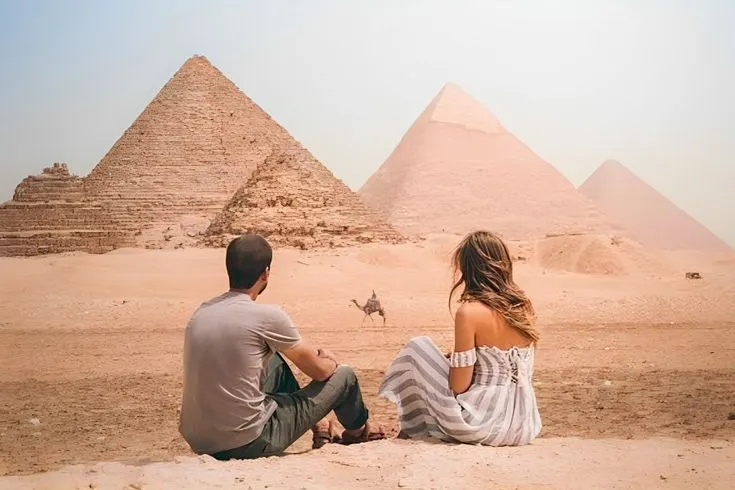
Cool weather makes the Giza Plateau far more enjoyable. You can walk around the pyramids, ride a camel at sunrise and still have energy for the afternoon. Visit the Grand Egyptian Museum, which houses the Tutankhamun collection, and set aside a separate half-day for Islamic and Coptic Cairo and the Khan el-Khalili bazaar. In winter you can explore these by foot without the exhaustion of summer.
Luxor: The World’s Greatest Open-Air Museum
Luxor is the star of the season. Plan at least two days: one for the East Bank (Karnak and Luxor Temple, which is beautiful at night) and one for the West Bank (Valley of the Kings, Hatshepsut’s Temple, the Colossi of Memnon). Winter is also hot air balloon season. Flights depend on wind, so keep a spare morning in your schedule.

Aswan: Slow Days on the Nile
Aswan is calmer and greener than Luxor. Take a felucca around Elephantine Island, visit Philae Temple and explore the Nubian villages. Winter evenings by the river are pleasant, though you’ll want a jacket once the sun sets.
Abu Simbel
The temples of Ramesses II, a few hours south of Aswan by road or a short flight, are one of the highlights of any Egypt trip. Winter makes the long early-morning journey far more bearable. Note that the famous sun alignment inside the temple happens twice a year, around late February and late October. If it matters to you, check the dates with your operator.
Nile Cruise: Luxor to Aswan
Three-, four- and seven-night cruises run through the winter. Longer itineraries let you visit Edfu and Kom Ombo without feeling rushed. Pick a cabin with a river view, and don’t skimp on the sundeck. Book early, as the best boats sell out first for the holiday weeks.
The Red Sea: Hurghada, Marsa Alam and Sharm el-Sheikh
This is not the bikini season you’d get in July, but it is still excellent for diving and snorkeling. Visibility is good, the water is cooler (about 22–23°C, so bring a decent wetsuit), and the reefs are less crowded than in summer. Swimming in resort pools can feel chilly. Choose a hotel with a heated pool if you want to relax comfortably.
Alexandria and the Mediterranean Coast
Alexandria in winter is moody, windy and often rainy. If you like atmosphere, it’s lovely: the Corniche, the Citadel of Qaitbay, the Bibliotheca Alexandrina and fresh seafood. Bring an umbrella. Don’t plan a beach holiday here.
Siwa Oasis and the Western Desert
Siwa is rewarding in winter, with natural springs, salt lakes and desert dunes. Days are warm and nights cold, so bring layers. Allow at least two nights, since it’s a long drive from Cairo.
Sinai and St. Catherine’s Monastery
A sunrise climb up Mount Sinai is a classic winter experience, but the summit is genuinely cold. You’ll need a proper jacket, gloves and a hat, and it’s best done with a local guide.
What to Expect When Visiting Egypt in Winter
Crowds and prices. The busiest weeks run from about mid-December to early January. Hotels, cruises and flights cost more, and popular sites are crowded. January after New Year and February are quieter and often better value.
Short days. Sunset arrives around 5 pm in December, and sites generally close in the late afternoon. Start early and build your day around daylight.
Cold mornings and evenings. Sunny afternoons can fool you. Mornings in Luxor, nights in the desert and evenings on a cruise boat can feel genuinely chilly.
Local holidays. Coptic Christmas falls on January 7, which many travelers find a special time to visit Egypt’s churches, though some local services and businesses may be busier.
Practical Information
| Topic | What to know |
|---|---|
| Best months | Late November to February (shoulder season: November, March) |
| Peak season | Mid-December to early January |
| Visa | Many nationalities can apply for an e-visa. Confirm requirements on the official portal before you book |
| Sites | Most open early and close late afternoon. Opening hours and ticket prices change, so confirm before you go |
| Tipping | Tipping (baksheesh) is customary for guides, drivers and cruise staff |
| Currency | Egyptian pound. Carry small notes for tips and small purchases |
| Getting around | Domestic flights (Cairo–Luxor/Aswan), overnight sleeper train, private drivers |
| Booking tip | Book Nile cruises and holiday-week hotels months ahead |
Expert Tips for Egypt in Winter
- Dress in layers. A t-shirt, a light sweater and a windproof jacket cover almost every situation. Add a scarf for early-morning balloon flights and desert evenings.
- Start with Upper Egypt in the early days. Luxor and Aswan are warmest at midday, and you’ll enjoy them most once you’re well rested.
- Don’t squeeze Abu Simbel into a rushed day. If you can, pair it with an Aswan overnight.
- Keep a flexible morning for balloons. Weather can cancel flights, and a spare day saves disappointment.
- Book a heated pool or indoor options on the Red Sea. The sea is lovely for diving but chilly for casual swimming.
- Pick sites by time of day. Go to the pyramids and Karnak early, and keep museums and markets for the afternoon.
- Carry sunscreen anyway. Winter sun in Upper Egypt is stronger than most people expect.
Real Traveler Insight
We had a great time. We met wonderful and kind people, enjoyed delicious food, and stayed in comfortable accommodations in Cairo and on the cruise. The guides were very knowledgeable and patient, and the transportation was excellent. We had a fantastic experience and will definitely be back to explore more of Egypt
Common Mistakes to Avoid
- Packing for “hot Egypt.” The most common mistake. Cold nights surprise almost everyone.
- Planning a beach holiday in Alexandria. It’s a cultural city in winter, not a swimming destination.
- Booking late for Christmas and New Year. Prices climb and the best cabins disappear.
- Underestimating distances. Cairo to Luxor, Aswan and Abu Simbel are not day trips by road. Fly or take the train.
- Packing the schedule too tightly. Early closing times and short days leave less margin than in summer.
- Ignoring local forecasts. A rainy day in Alexandria and a windy morning in Luxor are both normal in winter, so keep some flexibility.
Related Attractions
- Best Places to Visit in Egypt
- Nile Cruise from Luxor to Aswan: Complete Guide
- Grand Egyptian Museum: What to See
- Day Trip from Cairo to Alexandria
- Red Sea Diving Guide
Frequently Asked Questions
Is Egypt too cold in winter?
Not for sightseeing. Days are mild and sunny in most cities, but nights and early mornings can be cold, so bring layers.
What is the best month to visit Egypt in winter?
January and February are usually the best balance of comfortable weather, fewer crowds and better prices than the Christmas peak.
Can you swim in the Red Sea in winter?
Yes, but the water is around 22–23°C. Divers use wetsuits, and casual swimmers often prefer a heated hotel pool.
Does it rain in Egypt in winter?
Rarely in most of the country. Alexandria and the north coast get the most rain, while Luxor and Aswan are almost always dry.
Is a Nile cruise worth it in winter?
Yes. Winter offers clear skies and comfortable weather, which makes it the most popular season for Luxor–Aswan cruises. Book early.
Is Egypt crowded in winter?
It’s busiest from mid-December to early January. Late January and February are generally calmer.
What should I pack for Egypt in winter?
Light layers, a windproof jacket, a sweater for evenings, comfortable walking shoes, sunscreen, sunglasses and a scarf.
Sources and Citations
Check these official sources before you travel, as hours, prices and entry rules change:
- Egyptian Meteorological Authority (weather and climate data)
- Egypt’s Ministry of Tourism and Antiquities (site information)
- Egypt’s official e-visa portal (visa requirements)
- Grand Egyptian Museum official website (tickets and opening hours)
Add direct links to each source when you publish.
Conclusion
Egypt in winter offers the best conditions for ancient history: clear skies, comfortable walking temperatures and calm days on the Nile. The trade-offs are cold nights, shorter days and busy holiday weeks. Pack in layers, book key cruises early, give Upper Egypt enough time, and keep some flexibility in your schedule. Do that, and winter may well become your favorite season to see Egypt.
Ready to Plan Your Winter Trip?
If you’d like help building a winter itinerary that fits your dates and pace, our team can design a private tour for you. Contact Love Egypt Tours and Let’s customize your Egypt Tours