
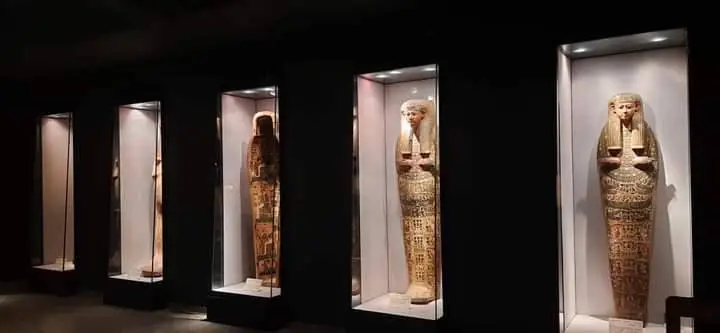
The Mummification Museum Luxor is one of Egypt’s most unique cultural attractions, offering visitors an extraordinary opportunity to discover the fascinating science, rituals, and beliefs behind ancient Egyptian mummification. Located along the scenic Nile Corniche in the heart of Luxor, the museum presents a carefully curated collection of mummies, embalming tools, coffins, amulets, and religious artifacts that reveal how the ancient Egyptians prepared both humans and sacred animals for the afterlife.
Unlike larger museums that cover every aspect of Egyptian civilization, the Mummification Museum focuses entirely on one of the world’s most intriguing ancient practices. Whether you are passionate about archaeology, fascinated by Egyptian mythology, or simply looking for a meaningful cultural experience, this museum offers an unforgettable journey into one of history’s greatest mysteries. Continue reading to discover everything you need to know before planning your visit.
| Information | Details |
|---|---|
| Location | Nile Corniche, East Bank, Luxor, Egypt |
| Opening Hours | Daily: 9:00 AM – 2:00 PM & 5:00 PM – 9:00 PM (hours may vary during holidays) |
| Ticket Price | Approximately 220 EGP for foreign adults (subject to change) |
| Visit Duration | 45 minutes to 1.5 hours |
| Best Time to Visit | October to April |
| UNESCO Status | Not individually listed, but located within the UNESCO World Heritage city of Ancient Thebes |
Why Visit the Mummification Museum Luxor?
The museum offers an experience unlike any other attraction in Egypt.
- Learn the complete process of ancient Egyptian mummification.
- View authentic human and animal mummies.
- Discover original embalming instruments and preservation techniques.
- Explore beautifully decorated sarcophagi and coffins.
- Understand ancient Egyptian beliefs about death and eternal life.
- Enjoy a peaceful museum that is less crowded than many famous temples.
- Perfect for families, history lovers, and archaeology enthusiasts.
- Excellent stop while exploring Luxor’s East Bank attractions.
History of the Mummification Museum Luxor
The Mummification Museum officially opened in 1997 as part of Egypt’s efforts to showcase specialized aspects of ancient Egyptian civilization. Rather than displaying thousands of unrelated artifacts, the museum was designed to focus exclusively on the remarkable art of mummification.
Ancient Egyptians believed that preserving the body was essential for the soul’s journey into the afterlife. Skilled embalmers developed sophisticated preservation techniques over thousands of years, making Egyptian mummification one of the most advanced funerary traditions in history.
The museum displays artifacts dating from different historical periods, illustrating how embalming methods evolved throughout the Pharaonic era. Visitors can also learn about the religious ceremonies performed by priests, the symbolism of protective amulets, and the role of gods such as Anubis in funeral rituals.
Today, the museum serves as an important educational center where visitors gain a deeper understanding of ancient Egyptian spirituality and scientific achievements.
What to Expect
The Place
The museum is relatively compact but thoughtfully organized. Modern lighting, informative displays, bilingual descriptions, and carefully preserved artifacts create an engaging experience. Exhibits guide visitors step by step through the mummification process, making the visit easy to follow.
The building overlooks the Nile River, providing beautiful views before or after your tour.
Crowds
Compared with Karnak Temple or Luxor Temple, the museum is usually much quieter.
For the most comfortable experience:
- Visit shortly after opening.
- Weekday mornings are generally less busy.
- Winter months attract more tourists but remain manageable.
Distances
The museum requires only a moderate amount of walking.
- Indoor visit
- Mostly flat surfaces
- Comfortable for most visitors
- Average visit: around one hour
Weather
Luxor has a desert climate.
| Season | Temperature |
|---|---|
| Summer | 38–45°C |
| Winter | 18–28°C |
| Spring | 25–35°C |
| Autumn | 26–34°C |
The cooler months between October and April provide the most pleasant sightseeing conditions.
Accessibility
The museum offers several visitor-friendly facilities:
- Wheelchair-accessible entrance in many areas
- Nearby parking
- Restrooms available
- Air-conditioned galleries
- Suitable for families with children
- Seating areas for short breaks
Top Highlights
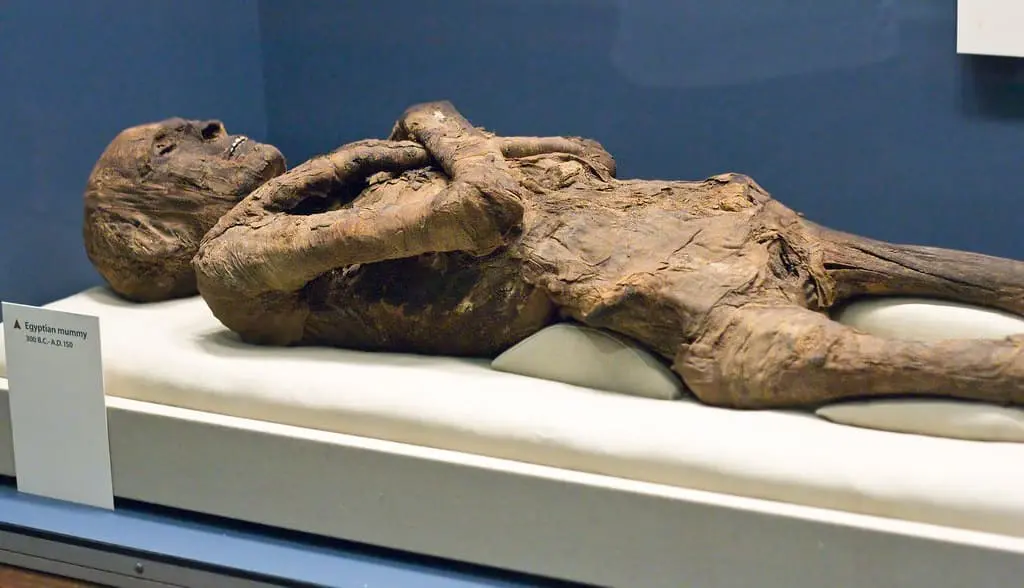
Human Mummies
The museum displays exceptionally preserved human remains that demonstrate the remarkable skills of ancient embalmers.
Animal Mummies
Visitors can see mummified cats, crocodiles, fish, birds, and other sacred animals that held religious significance in ancient Egypt.
Embalming Tools
Original bronze instruments, hooks, knives, natron containers, and preservation materials explain how priests carefully prepared bodies.
Canopic Jars
Beautifully decorated jars were used to protect internal organs during the mummification process.
Funerary Amulets
These small protective objects were placed between the mummy wrappings to safeguard the deceased during the journey to the afterlife.
Coffins and Sarcophagi
Intricately decorated coffins feature colorful artwork, hieroglyphics, and religious texts intended to guide the deceased.
Statue of Anubis
The jackal-headed god Anubis, protector of cemeteries and embalming, is one of the museum’s most fascinating exhibits.
Practical Travel Tips
- Visit during the morning for a quieter experience.
- Wear lightweight, comfortable clothing.
- Bring bottled water, especially during warmer months.
- Carry a camera, but always check photography regulations inside the museum.
- Read the exhibit descriptions to fully appreciate the artifacts.
- Consider hiring a licensed guide for deeper historical insights.
- Combine your visit with nearby Luxor attractions.
- Wear comfortable walking shoes.
- Bring cash for tickets and souvenirs.
- Respect museum rules by avoiding touching displays.
Let’s explore the fascinating Mummification Museum with our unforgettable Luxor in 3 Days tour and discover the timeless wonders of ancient Egypt
How to Get There
Getting to the Mummification Museum is easy from anywhere in Luxor.
Taxi
Taxis are readily available throughout Luxor and provide one of the quickest ways to reach the museum.
Uber and Ride-Hailing Services
Ride-hailing options may be available depending on current local services, offering convenient transportation.
Private Tour
Many Luxor sightseeing tours include the museum along with other major attractions.
Walking
If you’re staying near Luxor Temple or the Nile Corniche, the museum is within comfortable walking distance.
Public Transport
Local minibuses and shared taxis operate across the city, although they may be less convenient for first-time visitors.

Nearby Attractions
After visiting the museum, continue exploring Luxor with these nearby attractions:
- Luxor Temple
- Luxor Museum
- Karnak Temple
- Valley of the Kings
- Valley of the Queens
- Temple of Hatshepsut
- Colossi of Memnon
- Nile River Felucca Ride
- Hot Air Balloon Experience
- Banana Island
Recommended Tours
The Mummification Museum can easily be included in many popular Egypt itineraries:
- Luxor Full-Day Tour
- East Bank Luxor Tour
- Nile Cruise from Luxor to Aswan
- Egypt Tour Packages
- Cairo and Luxor Holiday Package
- Luxury Egypt Tours
- Family Egypt Vacations
Real Visitor Insights
Many visitors describe the Mummification Museum as one of Luxor’s hidden gems because it provides a focused and easy-to-understand explanation of ancient Egyptian burial traditions. Travelers frequently recommend visiting after exploring Luxor Temple, noting that the museum helps bring the history of the temples and tombs to life by explaining what happened after death according to ancient Egyptian beliefs.
Is the Mummification Museum worth visiting?
Yes. It offers one of the best introductions to ancient Egyptian embalming practices and complements visits to Luxor’s temples and tombs.
How long does it take to visit?
Most visitors spend between 45 minutes and 1.5 hours exploring the exhibits.
What is the best time to visit?
October through April offers the most comfortable weather, while mornings are generally quieter.
Is the museum crowded?
Usually not. It is significantly less crowded than many of Luxor’s major archaeological sites.
Can I buy tickets online?
Ticket availability changes over time. Many visitors purchase tickets at the entrance, though online options may also be available through official tourism platforms.
Is it suitable for children?
Yes. Older children with an interest in history and ancient Egypt often find the exhibits educational and fascinating.
Can I take photographs?
Photography policies may vary. Always check the current museum regulations before taking photos inside.
Should I hire a guide?
A knowledgeable guide can greatly enhance your understanding of the museum’s displays, religious symbolism, and ancient embalming techniques.
Conclusion
The Mummification Museum Luxor offers a remarkable opportunity to explore one of ancient Egypt’s most fascinating traditions in an engaging and accessible setting. From authentic mummies and embalming tools to beautifully decorated coffins and sacred artifacts, every exhibit reveals how the ancient Egyptians combined science, religion, and artistry in their preparation for the afterlife. Whether you’re visiting Luxor for the first time or returning to deepen your understanding of Egypt’s rich heritage, this museum deserves a place on your itinerary and provides an unforgettable cultural experience.