Every traveler leaves Egypt with the same problem: a suitcase that is suddenly too small. Between the copper lanterns glowing in Cairo’s alleys, the mountains of red hibiscus in Aswan, and the papyrus scrolls that seem to be hiding in every doorway, Egypt is one of the most tempting shopping destinations on earth.
It is also one of the easiest places to overpay, or to bring home a “hand-painted papyrus” that turns out to be pressed banana leaf.
This guide is built to prevent that. Below you’ll find the best Egypt souvenirs worth buying, what they realistically cost in 2026, which markets are worth your time, how to bargain without stress, and how to spot fakes before you hand over any cash. [Add one sentence of personal experience here, for example: “After guiding guests through Khan el-Khalili for years, I’ve seen every shopping mistake there isز
Whether you’re joining one of our unforgettable Egypt tours or wandering the bazaars on your own, you’ll know exactly what to buy and what to skip.
Quick Answer: What Are the Best Souvenirs to Buy in Egypt?
The best Egypt souvenirs are genuine papyrus, Egyptian cotton, silver or gold cartouche jewelry, alabaster pieces from Luxor, spices and hibiscus (karkadeh), perfume oils, and Tentmakers’ appliqué textiles. Most cost between $2 and $50, and you should aim to pay roughly 40–60% of the first asking price. The best places to shop are Khan el-Khalili in Cairo, the Aswan spice souk, Luxor’s local markets, and Old Market in Sharm El Sheikh.
Where Should You Shop for Souvenirs in Egypt?
Egypt has two very different kinds of shopping: tourist bazaars, where bargaining is expected, and fixed-price shops, where it isn’t. Knowing which one you’re in changes everything.
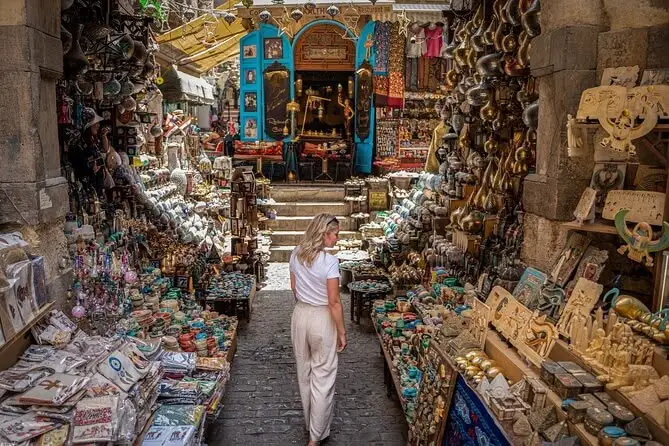
Khan el-Khalili, Cairo
The most famous market in Egypt has been trading since the late 14th century, and it still feels like it. Narrow lanes are packed with brass, lanterns, jewelry, spices, and shisha pipes. It’s the best place in the country for variety, and also the place where prices start highest.
Go for: lanterns, copper and brass, jewelry, backgammon boards, perfume bottles.
Tip: Walk the whole lane before buying anything. The same item often costs half as much three shops down.
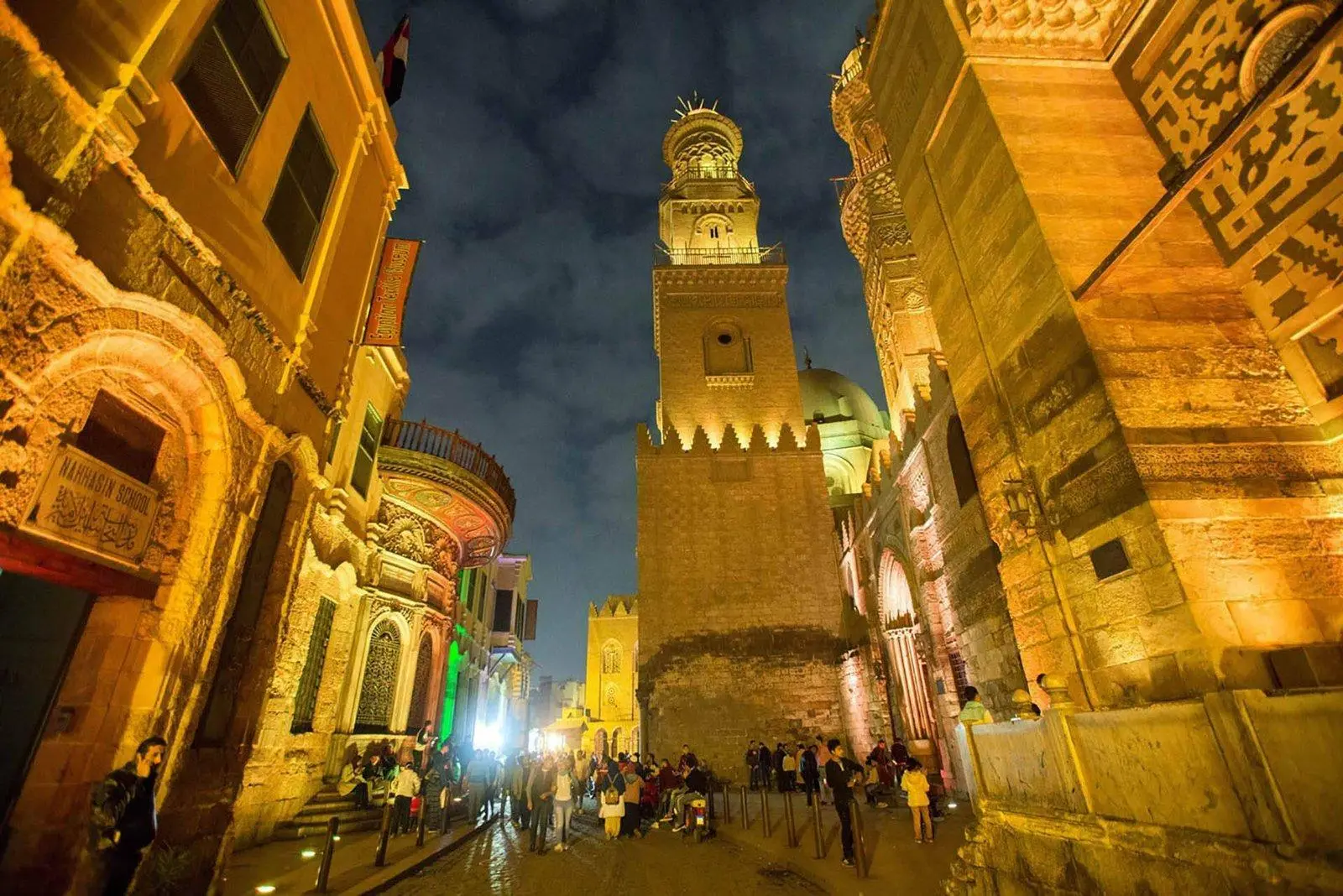
Al-Muizz Street and Tentmakers’ Street (Khayamiya), Cairo
Just south of the main bazaar, the covered Tentmakers’ Street is where artisans still stitch colorful appliqué fabric by hand. Prices here are more honest than in the tourist core, and the craft is genuinely Egyptian.
Aswan Spice Market and Nubian Villages
Aswan’s souk runs along the Corniche and smells like cumin, hibiscus, and dried lime. It’s the best place in Egypt for spices, henna, hibiscus, and Nubian crafts, and vendors are notably more relaxed than in Cairo.
Aswan is also where many travelers begin or end their magical Nile river cruises, so the spice market makes a fragrant stop before you board.
Luxor Markets
Luxor’s souk is great for alabaster, galabeyas, scarves, and papyrus. The West Bank villages near the temples are known for alabaster workshops where you can watch pieces being carved.
Sharm El Sheikh: Old Market and Naama Bay
In the Red Sea resorts, the Old Market is the place for shisha, souvenirs, and perfume oils, while Naama Bay has more fixed-price boutiques. Both are easy to combine with an evening city tour.
Hurghada and Marsa Alam
Expect smaller, more resort-oriented shopping: beachwear, papyrus, and jewelry. Fine for last-minute gifts, but less authentic than the Nile cities.
The 15 Best Egypt Souvenirs
Prices below are typical estimates in US dollars for tourist areas. Rates and quality vary, so use them as a guide rather than a fixed rule.
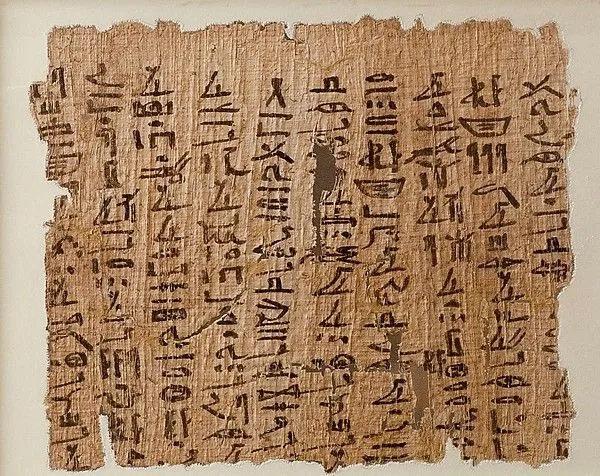
1. Genuine Papyrus
The classic Egypt souvenir. Real papyrus is made from the Cyperus papyrus plant, sliced into strips and pressed into sheets.
Price: $3–10 (small), $10–40 (large, hand-painted).
How to check it’s real: Real papyrus shows a visible criss-cross weave when held to the light and doesn’t crack when gently folded. Fakes made from banana leaf tear or crumble, and look uniformly flat.
2. Egyptian Cotton (Sheets, Towels, Shirts)
Egypt is famous for long-staple cotton, prized for softness and durability.
Price: $30–100+ for a sheet set, $8–25 for towels, $10–30 for shirts.
Tip: Buy from fixed-price stores. Check the thread count and feel, and ignore labels alone. Cheap “Egyptian cotton” blends exist everywhere.
3. Cartouche Jewelry
A cartouche is a pendant with your name written in hieroglyphs, and it is a personal, meaningful gift.
Price: $15–40 for silver, and gold is priced by weight and karat.
Tip: Gold should carry an official hallmark stamp (18k and 21k are common). Ask to see it. Most jewelers can engrave in 30 minutes to a day.
4. Alabaster Vases and Figurines
Carved from local stone, particularly around Luxor, alabaster pieces glow softly when light passes through.
Price: $5–20 (small), $30–100+ (large).
Tip: Real alabaster feels cool and slightly heavy, and light shines through thin edges. Plastic or resin feels light and warm.
5. Spices and Spice Blends
Cumin, coriander, dukkah, and baharat make lightweight, cheap gifts.
Price: $1–4 per bag.
Tip: Buy from busy stalls with fast turnover, and ask for sealed bags for the flight home.
6. Hibiscus Tea (Karkadeh)
Deep red, tart, and served hot or cold across Egypt, karkadeh is especially associated with Aswan and Upper Egypt.
Price: $2–5 per half kilo.
7. Perfume Oils and Glass Bottles
Alcohol-free perfume oils sold in hand-blown glass bottles are a Cairo and Luxor specialty.
Price: $5–15.
Tip: Ask to sample the scent on paper. Some cheaper oils are diluted or synthetic.
8. Khayamiya (Tentmakers’) Textiles
Hand-stitched appliqué in geometric and floral patterns, traditionally used for tents and festivals.
Price: $10–25 (cushion cover), $60–200+ (wall hanging).
Tip: Turn it over. Real hand-stitching has neat backs, and printed fakes have flat, dull ones.
9. Copper and Brass Lanterns
The glowing, pierced-metal lanterns are the image most people have of a Cairo bazaar.
Price: $10–40 for a small to medium lantern.
Tip: Consider shipping heavy pieces, or buy smaller ones to travel with.
10. Shisha (Hookah) Pipes
A popular and very Egyptian gift, though bulky.
Price: $15–40.
Tip: Check your airline’s carry-on rules and pack it carefully.
11. Inlaid Boxes and Backgammon Sets (Tawla)
Mother-of-pearl inlay on wood or bone, in boxes, chess sets, or backgammon boards.
Price: $10–40.
Tip: Real inlay is set into the wood and feels smooth. Stickers peel at the edges.
12. Galabeyas, Scarves, and Traditional Clothing
Lightweight, comfortable, and very practical, especially in summer.
Price: $10–30 for a galabeya, $5–15 for a scarf.
13. Ramadan Lanterns (Fanous)
Colorful metal and glass lanterns, a beloved Egyptian tradition, most available around Ramadan but sold in some Cairo markets all year.
Price: $5–20.
14. Siwa Salt Lamps, Olive Oil, and Dates
Products from the Siwa Oasis in the Western Desert are increasingly common in Cairo shops.
Price: $8–15 (lamps), $5–12 (oil and dates).
15. Nubian Handicrafts
Colorful baskets, beadwork, and small crocodile figurines from Aswan’s Nubian villages.
Price: $3–20.
Tip: These are often sold directly by families, and buying here supports local artisans.
How Do You Bargain in Egypt Without Feeling Awkward?
Bargaining is normal in bazaars and is part of the social experience. Done kindly, it’s actually enjoyable.
- Start at around 40–50% of the first price and work up.
- Smile and stay friendly. Sellers respond to warmth.
- Know your limit, and be ready to politely walk away. This is your strongest move, and you’ll often be called back with a better price.
- Don’t bargain unless you intend to buy. Agreeing on a price and then leaving is considered rude.
- Bundle items. Buying several pieces from one shop earns a much better deal.
- Ask “last price?” to signal you’re ready to close.
Fixed-price shops, department stores, and government-run stores don’t bargain. Prices are usually clearly marked.
What to Expect When Shopping in Egypt
Expect noise, friendly invitations into shops (“Just looking, my friend!”), and cups of tea offered before you’ve bought anything. Accepting tea doesn’t obligate you to purchase.
Many stallholders speak excellent English, and it’s usual for a conversation to begin with where you’re from and end with a discount. If you feel pressured, a calm “La, shukran” (no, thank you) is respected.
Practical Information for Souvenir Shopping
| Topic | What to Know |
|---|---|
| Best time | Mornings and evenings are cooler; many shops open around 10 AM and stay open late |
| Payment | Cash (Egyptian pounds) is best in bazaars; cards work in larger shops |
| Currency | Bring small notes for change. Prices are often quoted in USD to tourists, but paying in EGP is usually cheaper |
| Bargaining | Expected in bazaars, not in fixed-price shops |
| Shipping | Possible for larger items, but confirm costs and reliability first |
| Receipts | Ask for one for gold, expensive textiles, and shipped goods |
| Opening hours | Many shops close on Friday mornings or reduce hours, especially outside tourist areas |
Expert Tips From Real Experience
- Ask your guide for their recommended shops, but also explore independently. Comparing prices is the fastest way to learn the real value.
- Do most of your shopping later in the trip. By then you’ll have seen how prices vary and can bargain confidently.
- Buy gold by weight, and ask for the day’s gold price before negotiating craftsmanship fees.
- Carry a small tote bag for purchases, and keep valuables in front pockets in crowded markets.
- Photograph what you love and compare prices before deciding. Many shops sell near-identical items.
- Pack a spare fold-up bag for the return flight.
Real Traveler Insight
Shopping for souvenirs in Egypt was one of the most enjoyable parts of our trip. We found beautiful Egyptian cotton, spices, perfumes, and handmade souvenirs at Khan El Khalili, and the prices were much better than we expected. The local markets made the experience even more memorable
Common Mistakes to Avoid
- Paying the first price. It’s almost never the real one.
- Buying fake papyrus. Banana-leaf imitations are widespread in tourist zones.
- Trusting labels alone. “Egyptian cotton” or “genuine alabaster” claims should be checked by touch and price.
- Buying antiquities. It is illegal to buy or export genuine ancient artifacts from Egypt. Anyone offering “real” antiquities is either running a scam or breaking the law, and either way you can get into serious trouble at customs.
- Shopping through unofficial “helpers.” Someone who guides you to a shop is often paid a commission, which raises your price.
- Forgetting weight limits. Marble, alabaster, and brass are heavy.
- Ignoring baggage and customs rules for spices, oils, and liquids on your flight home.
Related Attractions and Guides
Planning more than shopping? Explore these from Love Egypt Tours:
- Cairo Day Tours
- Luxor Day Tours
- Aswan Day Tours
- Sharm El Sheikh City Tour (includes free time in the Old Market)
- Cairo travel guide
Suggested One-Day Souvenir Itinerary in Cairo
- Morning: Start at Tentmakers’ Street for textiles while it’s quiet.
- Late morning: Walk Al-Muizz Street for architecture, brass, and photos.
- Lunch: Break in a local café near Khan el-Khalili.
- Afternoon: Explore Khan el-Khalili for lanterns, jewelry, and spices, and compare prices before buying.
- Evening: Return for a second look at anything you liked, when shops are lively and bargaining is friendlier.
Frequently Asked Questions About Egypt Souvenirs
What is the best souvenir to buy in Egypt?
Genuine papyrus, Egyptian cotton, and cartouche jewelry are the most popular and meaningful. Spices and hibiscus tea are the best budget-friendly gifts.
How much should I pay for souvenirs in Egypt?
Most souvenirs cost between $2 and $50. In bazaars, aim to pay about 40–60% of the first asking price.
Is it OK to bargain in Egypt?
Yes. Bargaining is expected in bazaars and markets, but not in fixed-price shops or department stores.
Where is the best place to buy souvenirs in Egypt?
Khan el-Khalili in Cairo has the widest variety, Aswan is best for spices and Nubian crafts, and Luxor is best for alabaster.
How can I tell if papyrus is real?
Real papyrus shows a criss-cross plant-fiber weave and doesn’t crack when gently folded. Banana-leaf fakes look flat and uniform and tear easily.
Can I take antiques or ancient artifacts out of Egypt?
No. Exporting genuine antiquities is illegal. Buy replicas from reputable shops and keep the receipt.
Is Egyptian cotton really better?
Long-staple Egyptian cotton is softer and more durable than standard cotton, but only when it is genuine. Buy from trusted, fixed-price stores.
Sources & Citations
- Egypt’s official tourism website (Experience Egypt) for general visitor guidance.
- Egypt’s Ministry of Tourism and Antiquities for rules on antiquities and their export.
- Egypt’s official assay office (Ministry of Supply and Internal Trade) for gold hallmarking standards.
- [Add any additional sources you use, such as customs or airline baggage rules, with links and access dates.]
Prices in this article are estimates based on typical tourist-area prices in 2026 and can vary by city, season, and quality.
Conclusion
Shopping in Egypt is part of the trip itself: the tea, the bargaining, the artisans, and the stories behind each object. Buy what you’ll love, compare before you commit, treat sellers kindly, and stay far from anything that claims to be ancient. With a few smart habits, your Egypt souvenirs will be authentic, fairly priced, and a much better reminder of the trip than anything from an airport gift shop.
Ready to See Egypt With a Local Expert?
Let our guides show you the best markets, the most trustworthy shops, and the stories behind Egypt’s crafts. Explore our Egypt tours or contact Love Egypt Tours to build your trip.