
Wondering what to do in Luxor during your trip to Egypt? You’re not alone — with nearly a third of the world’s ancient monuments packed into one city, deciding where to start can feel overwhelming. Luxor sits on the site of ancient Thebes, the capital of Egypt during its most powerful era, and offers everything from towering temples to sunrise balloon rides over the Nile Valley.
Should you spend your time on the East Bank exploring Karnak and Luxor Temple, or head to the West Bank for the Valley of the Kings? Is a hot air balloon ride worth the early wake-up call? Do you have time for a day trip to Abydos or Aswan? In this guide, we answer exactly what to do in Luxor — covering the best attractions, what to expect, practical tips, and a suggested itinerary for 2026.
Quick Answer: What to Do in Luxor
If you’re short on time, the top things to do in Luxor are: visit Karnak and Luxor Temple on the East Bank, explore the Valley of the Kings and Hatshepsut Temple on the West Bank, take a sunrise hot air balloon ride, and enjoy a sunset felucca ride on the Nile. Most visitors need 2–4 days to cover Luxor’s highlights, though history lovers could easily spend a week — Luxor Day Tours covering both banks are the most efficient way to see the essentials if your time is limited.
Top Things to Do in Luxor
1. Explore the East Bank: Karnak & Luxor Temple
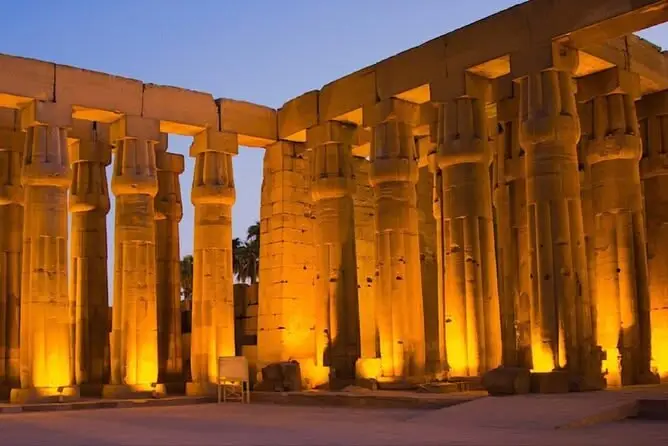
One of the top things to do in Luxor is visiting Karnak Temple, Egypt’s largest religious complex, with its forest of towering columns and the famous Hypostyle Hall. Nearby, the more compact Luxor Temple glows beautifully at sunset and was once connected to Karnak by the Avenue of Sphinxes.
2. Discover the West Bank: Valley of the Kings & Hatshepsut Temple
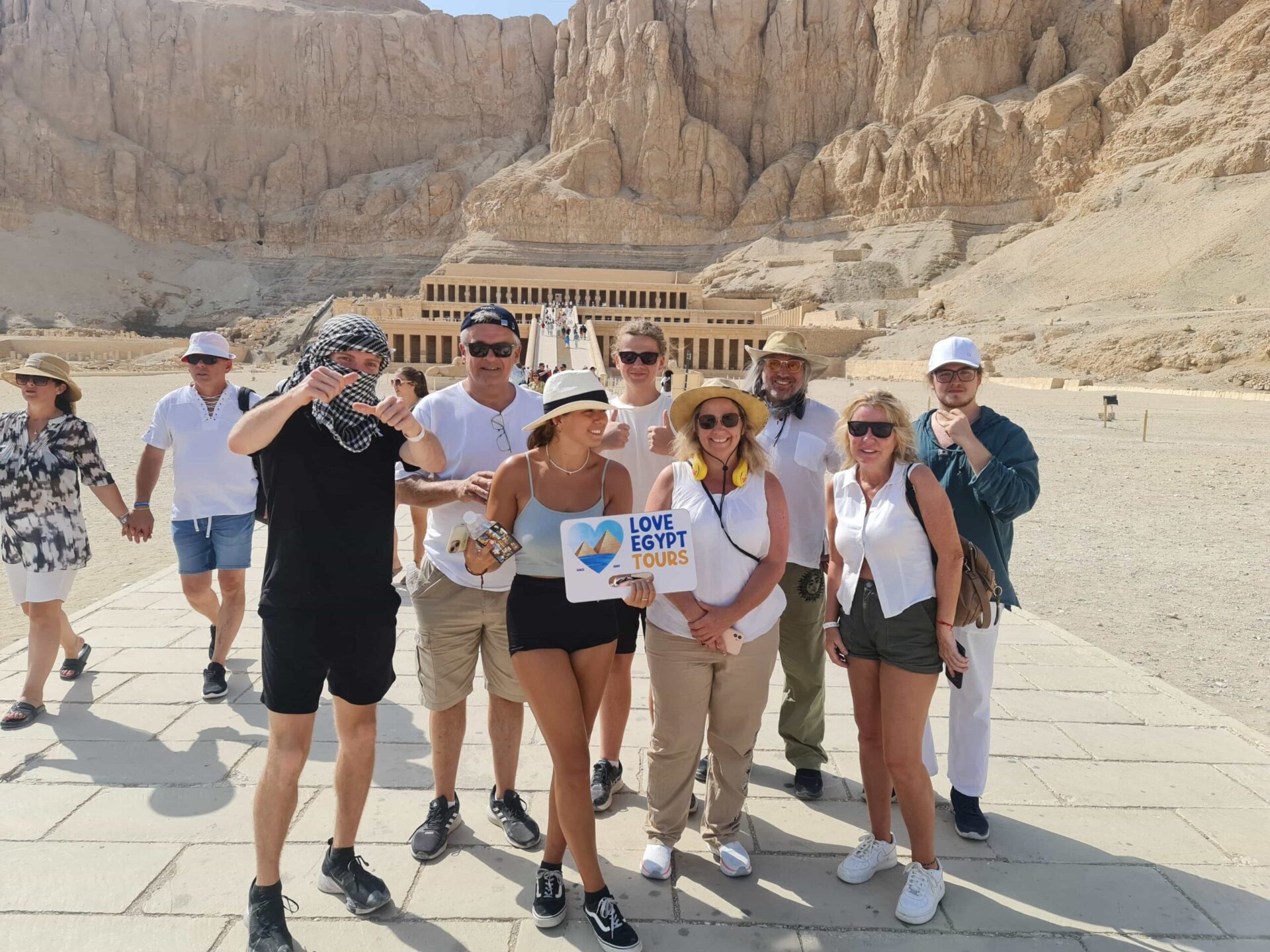
No list of what to do in Luxor is complete without crossing the Nile to the West Bank, where pharaohs including Tutankhamun were laid to rest in the Valley of the Kings. Nearby, the dramatic terraced Temple of Hatshepsut and the towering Colossi of Memnon are equally worth a visit.
3. Visit the Luxor Museum & Mummification Museum
For a deeper understanding of what you’re seeing at the temples, these two museums offer an excellent, air-conditioned introduction to ancient Egyptian history and the science of mummification.
4. See the Ramesseum, Habu Temple & Valley of the Nobles
Beyond the classic stops, these lesser-visited sites reveal beautifully preserved architecture and some of the most colorful tomb paintings in the region — a great option for repeat visitors wondering what else to do in Luxor.
5. Watch the Karnak Sound and Light Show
In the evening, Karnak Temple transforms with a dramatic narrated light show that brings its 4,000-year history to life.
6. Take a Felucca Ride on the Nile
A relaxing sail on a traditional wooden felucca, especially at sunset, is one of the simplest and most memorable ways to experience the Nile.
7. Try a Camel or Horse Carriage Ride
For sweeping views over the West Bank temples, a camel ride through the desert is a classic experience. Back in town, a horse carriage ride along the Corniche offers a relaxed way to see local city life.

8. Ride a Sunrise Hot Air Balloon
If you’re only picking one bucket-list activity from this list of what to do in Luxor, make it the sunrise hot air balloon ride — watching the sun rise over the Valley of the Kings from above is unforgettable.
9. Take a Day Trip Beyond Luxor
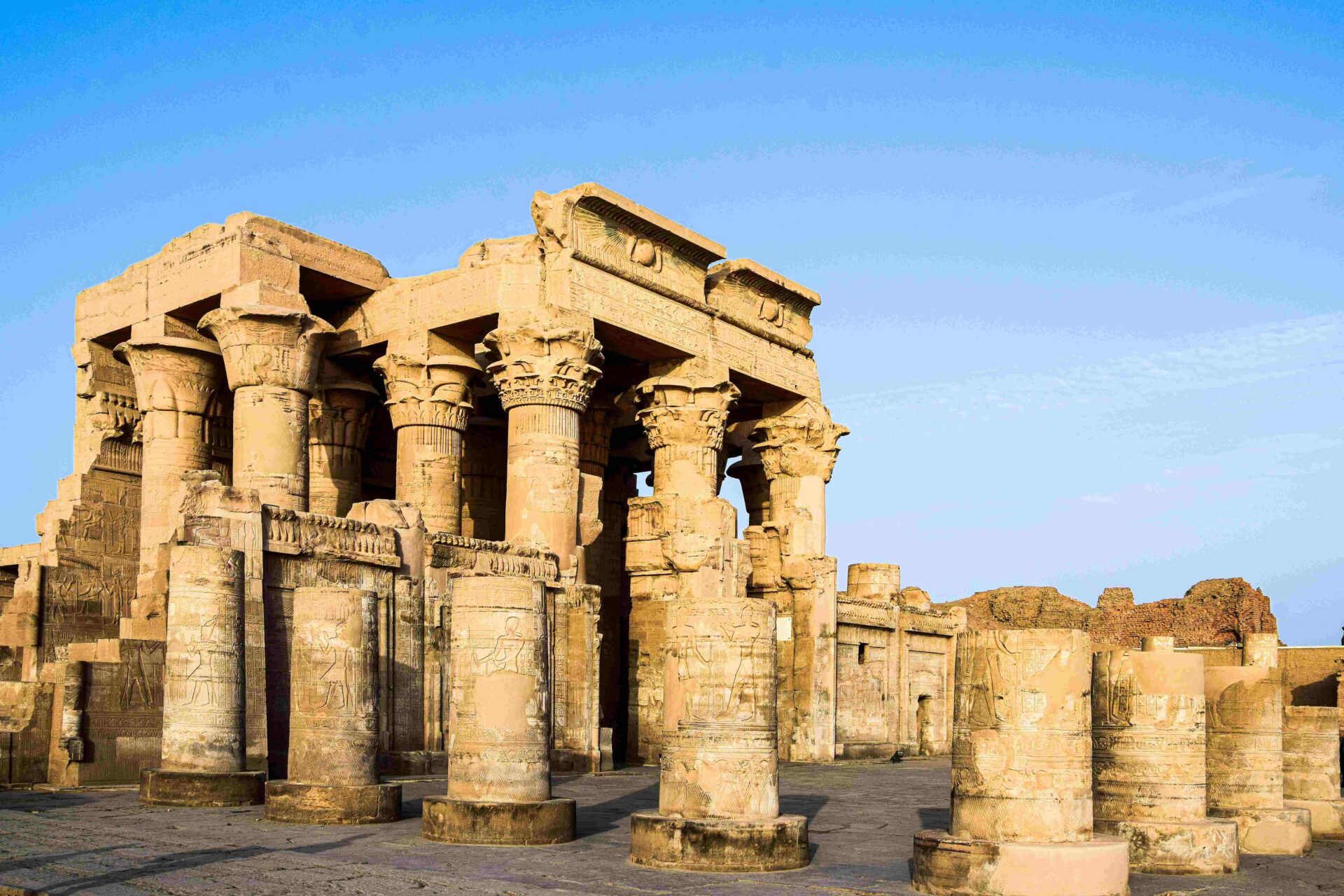
History lovers with extra time can venture further afield: Dendera and Abydos for remarkably preserved temples, Edfu and Kom Ombo on the way toward Aswan, or multi-day trips to Aswan and Abu Simbel. Travelers based on the Red Sea coast can even do the reverse, joining an overnight trip to Luxor from Hurghada, while those short on time can fly to Cairo and back in a single long day to see the Pyramids.
What to Expect When Deciding What to Do in Luxor
The Experience: Luxor’s sites are grand in scale and rich in detail — expect towering columns at Karnak, brightly painted tomb walls in the Valley of the Kings, and a slower, more historical pace than beach destinations like Hurghada or Sharm El Sheikh.
Crowds: Karnak and the Valley of the Kings can get busy by mid-morning, especially with cruise ship groups; sites like Dendera, Abydos, or the Valley of the Nobles are much quieter.
Costs: Entry tickets, private guides, and transportation are generally affordable compared to Western destinations, though optional extras like hot air balloon rides and special tombs (e.g., Tutankhamun’s) cost more.
Weather: Luxor is hot and dry most of the year, with summer (June–August) reaching over 40°C (104°F). Winter (November–February) is far more comfortable for sightseeing.
Transportation: Sites are spread across both banks of the Nile, so a private driver or organized tour is far more practical than walking or relying on public transport.
Photography: Karnak’s Hypostyle Hall, the Colossi of Memnon, and sunrise balloon views over the West Bank are among Luxor’s most photogenic spots. Photography inside tombs often requires an extra ticket or is restricted.
Practical Information
- Opening Hours: Most temples and the Valley of the Kings are open daily, typically from 6:00 AM to 5:00 PM (later in summer).
- Ticket Prices: Entry fees vary by site; some tombs (like Tutankhamun’s) require a separate, additional ticket.
- Best Time to Visit: October to April, when temperatures are milder and more comfortable for outdoor sightseeing.
- How to Get There: Luxor has its own international airport, plus train and Nile cruise connections from Cairo and Aswan.
- Suggested Duration: 2–4 days is enough for the highlights; add extra days for Abydos, Dendera, or Aswan side trips.
Expert Tips for What to Do in Luxor
- Start sightseeing early morning (before 8:00 AM) to beat the heat and the crowds.
- Carry cash in small denominations for tips and minor purchases.
- Wear comfortable, closed walking shoes — many sites involve uneven ground and stairs.
- Stay hydrated and bring sun protection, especially between April and September.
- Book a hot air balloon ride at least a day in advance, since morning slots fill quickly.
- Hire a licensed Egyptologist guide — the history is much richer with context than reading signs alone.
Real Traveler Insight
Many travelers mention that combining the East and West Banks in one guided day, rather than navigating separately, saves significant time and hassle — especially with a knowledgeable guide handling tickets, transportation, and pacing between sites.
Common Mistakes to Avoid
- Visiting Karnak or the Valley of the Kings at midday, when it’s hottest and most crowded.
- Not booking tickets or tours in advance, especially for the hot air balloon ride.
- Underestimating walking distances and the desert heat at outdoor sites.
- Skipping a licensed guide, which makes it easy to miss the historical significance of what you’re seeing.
- Ignoring modest dress codes, particularly when visiting religious or sacred sites.
Related Attractions
If you’re still deciding what to do in Luxor and want to venture further, you may also enjoy:
- Dendera Temple (Temple of Hathor)
- Abydos (Temple of Seti I)
- Aswan and Philae Temple
- Abu Simbel
- A Nile cruise between Luxor and Aswan
Suggested Itinerary: What to Do in Luxor Day by Day
One-Day Itinerary: Combined East & West Bank tour — Karnak Temple, Luxor Temple, Valley of the Kings, Hatshepsut Temple.
Two-Day Itinerary: Day 1 — sunrise hot air balloon ride followed by the West Bank tour. Day 2 — East Bank tour (Karnak & Luxor Temple) plus an evening felucca ride or the Sound and Light Show.
Three-Day Itinerary: Days 1–2 as above, then Day 3 — a day trip to Dendera and Abydos, or Edfu and Kom Ombo if heading toward Aswan.
FAQ: What to Do in Luxor
What is there to do in Luxor?
The top things to do in Luxor include visiting Karnak and Luxor Temple, exploring the Valley of the Kings and Hatshepsut Temple, taking a sunrise hot air balloon ride, and enjoying a felucca ride on the Nile.
Is Luxor worth visiting?
Yes — Luxor holds the highest concentration of ancient Egyptian monuments anywhere in the world, making it essential for any Egypt itinerary.
How many days do you need in Luxor?
Most visitors need 2–4 days to comfortably cover the main East and West Bank sites, with extra time for day trips to Abydos, Dendera, or Aswan.
What is the best time to visit Luxor?
October through April, when temperatures are cooler and more comfortable for full days of sightseeing.
Can I take photos inside the temples and tombs?
General photography is usually allowed at outdoor temple sites, but many tombs require an extra photography ticket or restrict cameras entirely.
Is Luxor family-friendly?
Yes, though younger children may find the heat and walking distances tiring — plan shorter days, plenty of water breaks, and shaded rest stops.
Do I need a guide to visit Luxor’s temples?
While not required, a licensed Egyptologist guide dramatically improves the experience, explaining the mythology, history, and symbolism behind what you’re seeing.
Where can I book tours for things to do in Luxor?
You can browse the full range of guided experiences through Luxor Day Tours Egypt, covering everything from temple visits to balloon rides and multi-day excursions