

Egyptian cuisine is one of the oldest and most continuous food traditions in the world, shaped by thousands of years of history, geography, agriculture, and cultural exchange. From the fertile banks of the Nile to the Mediterranean coast and desert oases, traditional food in Egypt reflects a deep connection between people, land, and ritual. Many dishes eaten in Egyptian homes today have roots that go back to Pharaonic times, while others were influenced by Arab, Ottoman, African, and Mediterranean cultures.
Egyptian food is known for its simplicity, richness, and reliance on natural ingredients. Grains, legumes, vegetables, and herbs form the foundation of most meals, making the cuisine both nourishing and affordable. Meat is used thoughtfully rather than excessively, and bread is considered the heart of every table. Traditional Egyptian meals are not just about nourishment; they are about family, hospitality, and shared identity.
This article explores traditional food in Egypt, its historical roots, essential ingredients, iconic dishes, regional variations, street food culture, and the role food plays in daily life and celebrations
Historical Roots of Egyptian Cuisine
The foundations of Egyptian cuisine were laid in ancient times. Archaeological evidence shows that ancient Egyptians cultivated wheat, barley, lentils, chickpeas, onions, garlic, leeks, and herbs. Bread and beer were staple foods, consumed daily by all social classes. Food was closely linked to religion, with offerings placed in tombs to nourish the dead in the afterlife.
Over centuries, Egypt’s strategic location made it a crossroads of civilizations. Arab influence introduced spices, rice, and new cooking techniques. Ottoman rule added stuffed vegetables, pastries, and slow-cooked meat dishes. Trade with the Mediterranean brought tomatoes, peppers, and other vegetables that later became essential to Egyptian cooking. Despite these influences, Egyptian cuisine maintained a strong identity rooted in its agricultural traditions.
Core Ingredients in Traditional Egyptian Food
Bread: The Soul of the Table
Bread, known locally as eish baladi, is central to Egyptian life. The word eish literally means “life,” highlighting its importance. This round, flat whole-wheat bread accompanies nearly every meal and is often used as a utensil to scoop food.
Legumes and Grains
Beans, lentils, chickpeas, rice, and bulgur are staples. Fava beans in particular play a major role, forming the base of several iconic dishes. These ingredients provide protein and energy and are key to the traditional Egyptian diet.
Vegetables and Herbs
Eggplant, tomatoes, onions, garlic, okra, zucchini, molokhia leaves, and leafy greens are widely used. Fresh herbs such as parsley, dill, coriander, and mint add flavor and aroma. Vegetables are often stewed, stuffed, grilled, or fried.
Oils and Fats
Vegetable oil and clarified butter (samna) are commonly used. Olive oil appears more frequently in coastal regions. Traditional cooking relies on moderate amounts of fat, focusing more on flavor than heaviness.
Spices and Seasonings
Egyptian cuisine is not overly spicy but is richly seasoned. Common spices include cumin, coriander, black pepper, cinnamon, allspice, and bay leaves. Garlic and onions are essential flavor bases.
Iconic Traditional Egyptian Dishes
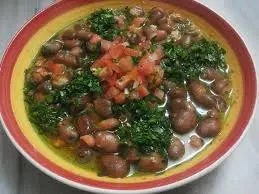
Ful Medames
Ful medames is considered Egypt’s national dish. Made from slow-cooked fava beans, it is typically seasoned with garlic, lemon juice, cumin, and olive oil. Ful is eaten daily by millions of Egyptians, especially for breakfast, often served with bread, eggs, and vegetables. Discover traditional food in Egypt, from ful medames and koshari to molokhia and mahshi—let’s discover Egypt tours and explore rich flavors shaped by history and culture.
Ta’ameya (Egyptian Falafel)
Unlike Levantine falafel made from chickpeas, Egyptian ta’ameya is prepared from fava beans. Mixed with herbs such as parsley, coriander, and leeks, it is deep-fried until crispy on the outside and soft inside. Ta’ameya is a popular street food and breakfast item.
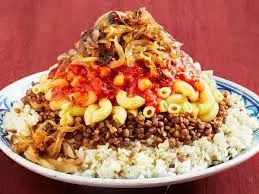
Koshari
Koshari is a uniquely Egyptian dish combining rice, lentils, pasta, chickpeas, fried onions, and a spiced tomato sauce, topped with garlic vinegar. It represents Egypt’s ability to blend diverse influences into a harmonious, filling meal. Koshari is widely eaten across all social classes.
Molokhia
Molokhia is a green leafy vegetable cooked into a thick soup or stew with garlic and coriander. It is usually served with rice or bread and accompanied by chicken, rabbit, or meat. Molokhia has ancient origins and remains a beloved comfort food.
Mahshi
Mahshi refers to vegetables stuffed with a mixture of rice, herbs, tomatoes, and spices. Common vegetables include zucchini, bell peppers, eggplant, grape leaves, and cabbage. Mahshi is a staple at family gatherings and festive occasions.
Fatta
Fatta is a celebratory dish made of layers of rice, bread, garlic vinegar sauce, and meat broth, usually topped with lamb or beef. It is traditionally served during religious holidays such as Eid al-Adha.
Traditional Soups and Stews
Egyptian soups are hearty and flavorful. Lentil soup is especially popular in winter, providing warmth and nourishment. Okra stew (bamya) is another classic dish, cooked with tomatoes and meat. These dishes highlight the Egyptian preference for slow-cooked meals that allow flavors to deepen.
Meat, Poultry, and Fish in Egyptian Cuisine
Meat Dishes
Beef, lamb, and goat are the most commonly used meats. They are often grilled, stewed, or slow-cooked rather than fried. Kebabs and kofta are popular, especially during celebrations and family gatherings.
Poultry
Chicken and pigeon are widely consumed. Stuffed pigeon (hamam mahshi) is a traditional delicacy, often served on special occasions. Chicken is frequently cooked with rice, molokhia, or vegetables.
Fish and Seafood
Egypt’s long coastline along the Mediterranean and Red Sea makes fish an important part of the diet. Grilled fish, fried mullet, and shrimp dishes are common, particularly in coastal cities like Alexandria. Salted fish (feseekh) is traditionally eaten during Sham El-Nessim, an ancient spring festival.
Street Food Culture in Egypt
Street food is an essential part of Egyptian daily life. Vendors sell ful, ta’ameya, koshari, grilled corn, liver sandwiches, and sweet treats at affordable prices. Street food reflects the fast-paced rhythm of modern Egyptian cities while preserving traditional flavors.
Eating street food is also a social experience. Locals gather around small stalls, sharing meals and conversation. Many Egyptians trust familiar vendors who have served the same recipes for generations.
Traditional Egyptian Sweets and Desserts
Basbousa
Basbousa is a semolina cake soaked in sugar syrup and often topped with almonds or coconut. It is commonly served during holidays and family visits.
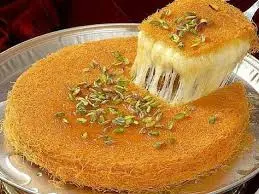
Kunafa
Kunafa is a pastry made from thin shredded dough layered with cream or nuts and soaked in syrup. It is especially popular during the month of Ramadan.
Umm Ali
Umm Ali is a warm dessert made from baked pastry, milk, nuts, and raisins. It is considered a comforting dish and is often served during winter or festive occasions.
Dates and Seasonal Fruits
Dates play an important role in Egyptian food culture, especially during Ramadan. Fresh fruits such as mangoes, guava, and oranges are enjoyed as natural desserts.
Food and Religious Traditions
Food in Egypt is deeply connected to religious practices. During Ramadan, families gather for iftar meals that often include soups, stuffed vegetables, and traditional sweets. During Eid celebrations, meat dishes and pastries are shared with relatives and neighbors.
Christian Egyptians also have food traditions linked to fasting periods, during which plant-based dishes are prepared creatively using legumes, vegetables, and oils.
Regional Variations in Egyptian Cuisine
Lower Egypt and the Delta
The fertile Delta region is known for rice-based dishes, vegetables, and poultry. Fish is also common due to the abundance of waterways.
Upper Egypt (Sa’id)
Upper Egyptian cuisine is heartier and spicier, often featuring bread, dairy products, and slow-cooked stews. Dishes are filling and designed to provide energy for agricultural work.
Coastal Regions
Alexandria and other coastal cities emphasize seafood, olive oil, and Mediterranean flavors. Recipes here often differ noticeably from those in inland areas.
Social and Cultural Importance of Food
In Egypt, food is a symbol of generosity and hospitality. Guests are always offered something to eat, even on short visits. Cooking is often a communal activity, especially during holidays, where multiple generations participate.
Meals bring families together, reinforcing bonds and traditions. Many recipes are passed down orally from mothers to daughters, preserving culinary heritage.
Modern Influence and Preservation of Tradition
While fast food and international cuisine have become more common in Egypt’s urban areas, traditional food remains deeply respected. Many young Egyptians are rediscovering classic recipes and adapting them to modern lifestyles while preserving their essence.
Restaurants specializing in traditional Egyptian food play an important role in maintaining culinary heritage. Home cooking continues to be the primary way traditional dishes are preserved and enjoyed.
Conclusion
Traditional food in Egypt is a living expression of history, culture, and identity. Rooted in ancient agricultural practices and enriched by centuries of cultural interaction, Egyptian cuisine remains authentic, nourishing, and deeply symbolic. From a simple plate of ful medames to elaborate festive dishes, Egyptian food tells a story of resilience, community, and continuity.
Understanding traditional Egyptian food offers insight into the values of Egyptian society: simplicity, generosity, and respect for heritage. As Egypt continues to evolve, its traditional cuisine stands as a powerful link between past and present, uniting people through shared flavors and timeless rituals. If you want to try authentic Egyptian food, travel with Love Egypt Tours and explore our unforgettable Egypt tours.