

Egyptian cuisine is one of the oldest and most continuous food traditions in the world, shaped by thousands of years of history, geography, agriculture, and cultural exchange. From the fertile banks of the Nile to the Mediterranean coast and desert oases, traditional food in Egypt reflects a deep connection between people, land, and heritage. Many dishes enjoyed today trace their roots back to Pharaonic times, while others evolved through Arab, Ottoman, African, and Mediterranean influences.
Egyptian food is known for its simplicity, richness, and reliance on natural ingredients. Grains, legumes, vegetables, and herbs form the foundation of most meals, making the cuisine both nourishing and affordable. Bread is considered the heart of every table, while meals represent family, hospitality, and shared identity.
In this guide, we explore traditional food in Egypt, its historical roots, essential ingredients, iconic dishes, regional variations, street food culture, and its role in daily life and celebrations.
Historical Roots of Egyptian Cuisine
The foundations of Egyptian cuisine date back to ancient civilization. Archaeological findings reveal that ancient Egyptians cultivated wheat, barley, lentils, chickpeas, onions, garlic, and herbs. Bread and beer were daily staples for all social classes, while food was also deeply tied to religious rituals and beliefs about the afterlife.
Egypt’s strategic location made it a cultural crossroads. Arab influence introduced spices, rice, and new cooking methods, while Ottoman rule contributed stuffed vegetables, pastries, and slow-cooked dishes. Mediterranean trade later introduced tomatoes and peppers, which became essential ingredients in modern Egyptian cooking. Despite these influences, Egyptian cuisine preserved its strong identity rooted in agriculture and simplicity.
Core Ingredients in Traditional Egyptian Food
Bread: The Soul of the Table
Known as eish baladi, bread is central to Egyptian life. The word eish literally means “life,” reflecting its importance in every household.
Legumes and Grains
Fava beans, lentils, chickpeas, rice, and bulgur are staples that form the base of many traditional dishes.
Vegetables and Herbs
Eggplant, molokhia, zucchini, tomatoes, onions, garlic, and fresh herbs like parsley and coriander are widely used in daily cooking.
Spices and Seasonings
Egyptian cuisine is mildly spiced but deeply flavorful, relying on cumin, coriander, cinnamon, black pepper, and bay leaves.
Iconic Traditional Egyptian Dishes
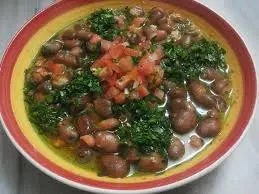
Ful Medames
Egypt’s national dish made from slow-cooked fava beans, seasoned with garlic, lemon, and cumin. It is a breakfast essential across the country.
Ta’ameya (Egyptian Falafel)
A unique version of falafel made from fava beans and fresh herbs, fried until crispy on the outside and soft inside.
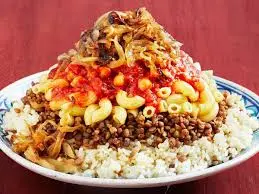
Koshari
A beloved Egyptian street food combining rice, lentils, pasta, chickpeas, and spicy tomato sauce topped with fried onions.
Molokhia
A traditional green stew cooked with garlic and coriander, served with rice or bread and often paired with chicken or meat.
Mahshi
Vegetables such as zucchini, peppers, eggplant, and grape leaves stuffed with rice, herbs, and spices—served at family gatherings and celebrations.
Experience Egypt Through Its Food & Culture
Egyptian cuisine is best understood not just by tasting it, but by experiencing it in its cultural context—markets, streets, and family tables where recipes have been passed down for generations.
Let’s explore Egyptian food through our top Egypt tours in 2026 with Love Egypt Tours and discover authentic flavors shaped by thousands of years of history and culture.
Street Food Culture in Egypt
Street food plays a huge role in Egyptian daily life. From koshari stalls to ta’ameya vendors and grilled corn sellers, the streets are filled with affordable, flavorful, and freshly made dishes. Eating street food is also a social experience, bringing people together in busy city corners and neighborhood markets.
Traditional Egyptian Sweets
Basbousa
A semolina cake soaked in sweet syrup, often topped with nuts or coconut.
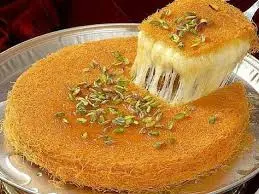
Kunafa
A crispy dessert made with shredded pastry filled with cream, cheese, or nuts and soaked in syrup.
Umm Ali
A warm, comforting dessert made from baked pastry, milk, nuts, and raisins.
Dates and Seasonal Fruits
Dates are especially important during Ramadan, while fruits like mangoes, guavas, and oranges are enjoyed year-round.
Food and Culture in Egypt
Food in Egypt is deeply connected to hospitality and tradition. Guests are always welcomed with meals or drinks, even during short visits. Cooking is often a communal activity, especially during holidays and celebrations, where families gather to prepare traditional dishes together.
Recipes are usually passed down through generations, preserving culinary identity and cultural memory.
Regional Variations in Egyptian Cuisine
Lower Egypt and the Delta
Rich agricultural land leads to rice-based dishes, vegetables, poultry, and freshwater fish.
Upper Egypt (Sa’id)
Heavier, more filling meals dominate, with bread, legumes, and slow-cooked stews being common.
Coastal Regions
Cities like Alexandria feature Mediterranean-inspired dishes with a strong focus on seafood and olive oil.
Conclusion
Traditional food in Egypt is more than just cuisine—it is a reflection of history, identity, and cultural continuity. Rooted in ancient agricultural practices and enriched by centuries of influence, Egyptian food remains simple, flavorful, and deeply meaningful.
From a humble plate of ful medames to festive mahshi or koshari on a busy street corner, every dish tells a story of heritage, resilience, and community.