
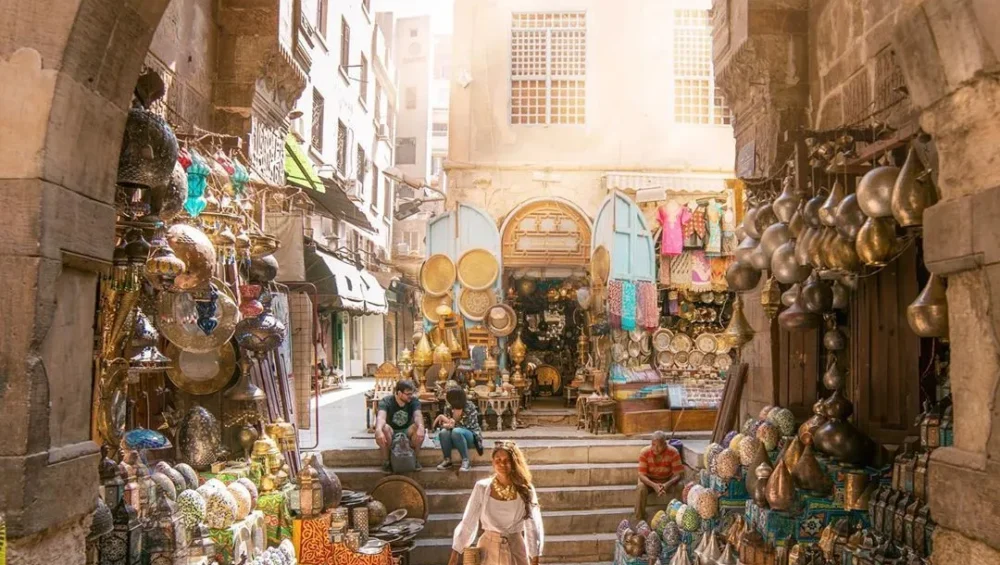
Egypt’s bazaars are a treasure trove of culture, history, and vibrant local life. From the bustling streets of Cairo to the historic markets of Luxor, these markets offer an authentic glimpse into Egyptian traditions, craftsmanship, and everyday life. Whether you’re hunting for spices, perfumes, textiles, or souvenirs, Egypt’s bazaars promise a sensory experience unlike any other.
Quick Facts About Egyptian Bazaars
| Fact | Details |
|---|---|
| Location | Cairo, Luxor, Aswan, Alexandria, Giza |
| Opening Hours | Usually 9:00 AM – 9:00 PM (varies by bazaar) |
| Prices | Bargain-friendly; haggling expected |
| Best Time to Visit | Morning or late afternoon; weekdays less crowded |
| Duration | 1–3 hours per bazaar, depending on interest |
A Brief History of Egyptian Bazaars
Bazaars, or “souks” as they are traditionally called, have been central to Egyptian life for centuries. They originated as trading hubs along the Nile, where merchants sold goods ranging from spices, textiles, and jewelry to food and handcrafted items. Many famous bazaars in Egypt date back to the medieval period and have preserved their architecture and layout. Walking through these markets today is like stepping back in time, surrounded by narrow alleys, colorful stalls, and the lively chatter of local vendors.
What to Expect When Visiting Egyptian Bazaars
Egyptian bazaars are a sensory delight, offering sights, sounds, and smells that are unforgettable. Visitors can expect:
- The Environment: Narrow, winding streets filled with vibrant stalls, hanging fabrics, and colorful displays.
- The Crowd: Typically bustling, especially in the afternoon; mornings are quieter.
- Distance and Navigation: Bazaars can be large; comfortable shoes are recommended.
- Atmosphere: Energetic, with calls from vendors, aromatic spices, and traditional music often playing in the background.
Top Bazaars to Visit in Egypt
1. Khan El Khalili, Cairo
Location: Islamic Cairo, near Al-Azhar Mosque
Opening Hours: 9:00 AM – 10:00 PM
Prices: Affordable; haggling is essential
Best Time to Visit: Early morning to avoid crowds
Duration: 2–3 hours
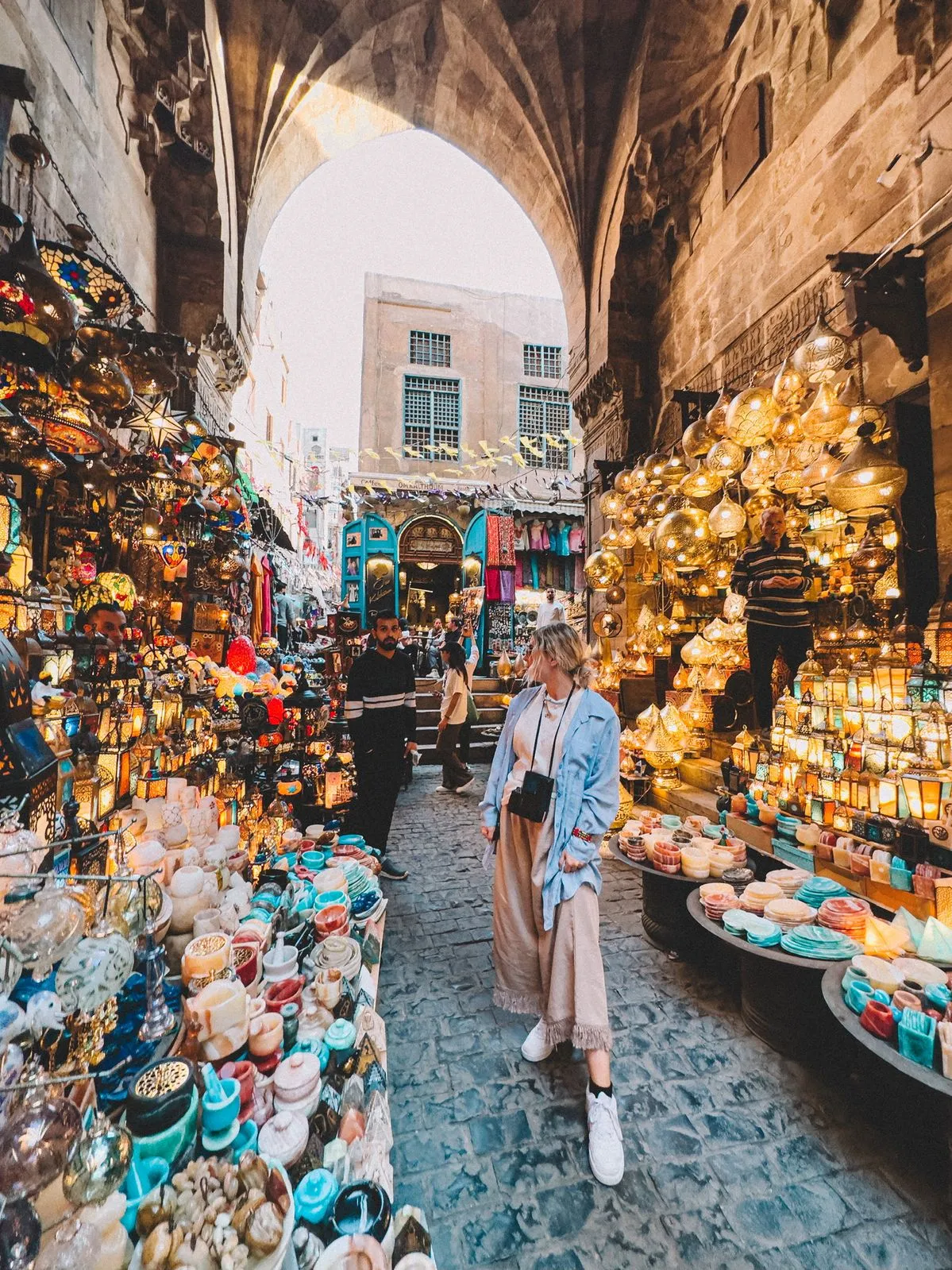
History: Dating back to the 14th century, Khan El Khalili is the most famous bazaar in Egypt. Initially established as a hub for merchants, it now combines traditional craft shops, modern cafés, and souvenir stores.
What to Expect:
- Narrow alleyways packed with jewelry, spices, perfumes, and traditional lanterns.
- Vibrant atmosphere with street performers and local cafés.
Practical Tips:
- Wear comfortable shoes; expect uneven pathways.
- Carry cash in small denominations.
- Beware of pickpockets in crowded areas.
Real Insights:
- One of our travelers mentioned, “The spice section was overwhelming but delightful; the scents are unforgettable.”
Explore More About Cairo Attractions
2. Luxor Souq, Luxor
Location: Near Luxor Temple, East Bank
Opening Hours: 8:00 AM – 9:00 PM
Prices: Moderate; reasonable for tourists
Best Time to Visit: Late afternoon for cooler temperatures
Duration: 1–2 hours
History: This bazaar grew alongside Luxor Temple, providing locals and travelers with essential goods. It’s known for hand-woven carpets, traditional clothing, and local jewelry.
What to Expect:
- Less crowded than Cairo’s markets.
- Beautiful handcrafted souvenirs, textiles, and local artifacts.
- Friendly shopkeepers happy to share stories.
Practical Tips:
- Bargain politely; start at half the asking price.
- Bring reusable bags for purchases.
- Dress modestly out of respect for local culture.
Real Insights:
- Visitors often say, “The Luxor Souq feels intimate and authentic, far from the tourist-heavy spots.”
Discover Luxor Day Tours Egypt and Activities
3. Aswan Market, Aswan
Location: Near Elephantine Island, Aswan
Opening Hours: 9:00 AM – 8:00 PM
Prices: Budget-friendly
Best Time to Visit: Morning or late afternoon
Duration: 1–2 hours
History: Aswan’s market has long served as a hub for Nubian culture, offering vibrant textiles, spices, and handcrafted jewelry unique to the region.
What to Expect:
- Colorful stalls with traditional Nubian items.
- Spices, teas, and aromatic herbs filling the air.
- Relaxed vibe compared to larger bazaars.
Practical Tips:
- Bring water; temperatures can be high.
- Take small denominations for easier transactions.
- Respect local customs when photographing vendors.
Real Insights:
- One traveler shared, “The hand-woven baskets were a perfect souvenir, and the vendors happily explained the craft techniques.”
Discover the timeless beauty of Aswan with our Aswan Day Tours 2026
4. Alexandria Souq, Alexandria
Location: Near the Corniche, Alexandria
Opening Hours: 10:00 AM – 9:00 PM
Prices: Moderate to high depending on items
Best Time to Visit: Late morning
Duration: 1–2 hours
History: Alexandria’s markets blend Mediterranean influences with Egyptian tradition. This bazaar specializes in jewelry, antiques, and fresh local seafood.
What to Expect:
- Bustling streets with a mix of locals and tourists.
- Shops selling perfumes, jewelry, and unique souvenirs.
- Fresh fish markets nearby for local culinary experiences.
Practical Tips:
- Wear sun protection; some streets are exposed.
- Keep personal items secure.
- Practice polite bargaining for souvenirs.
Real Insights:
- Visitors often say, “Alexandria Souq offers a vibrant mix of old and new, perfect for collectors and food lovers alike.”
Practical Travel Tips for Visiting Egyptian Bazaars
- Best Time to Go: Mornings or late afternoons; avoid Fridays if possible.
- What to Wear: Lightweight, breathable clothing; modest attire recommended.
- What to Bring: Cash in small bills, water, sunscreen, comfortable shoes.
- Common Mistakes: Not bargaining, carrying large bags, ignoring local customs.
- Navigational Tip: Bazaars can be maze-like; note key landmarks to avoid getting lost.
FAQs About Egyptian Bazaars
Q1: Are Egyptian bazaars safe for tourists? A1: Yes, but always stay aware of your belongings, especially in crowded areas.
Q2: Can I use credit cards in bazaars? A2: Most vendors prefer cash; some may accept cards in larger shops.
Q3: How much should I bargain? A3: Start at 40–50% of the asking price and negotiate politely.
Q4: Are there halal food options in bazaars? A4: Yes, most local eateries serve halal food.
Q5: Can I visit bazaars with children? A5: Absolutely; keep them close as streets can be crowded and busy.
Egyptian bazaars are more than just shopping spots—they are vibrant cultural experiences. By exploring Khan El Khalili, Luxor Souq, Aswan Market, and Alexandria Souq, travelers immerse themselves in history, craftsmanship, and the everyday life of Egypt. Follow the practical tips, embrace the local energy, and take home memories as colorful and unique as the markets themselves. Plan your journey to Egypt Through our Best Egypt Tours 2026 today and explore the top bazaars for an authentic cultural experience!