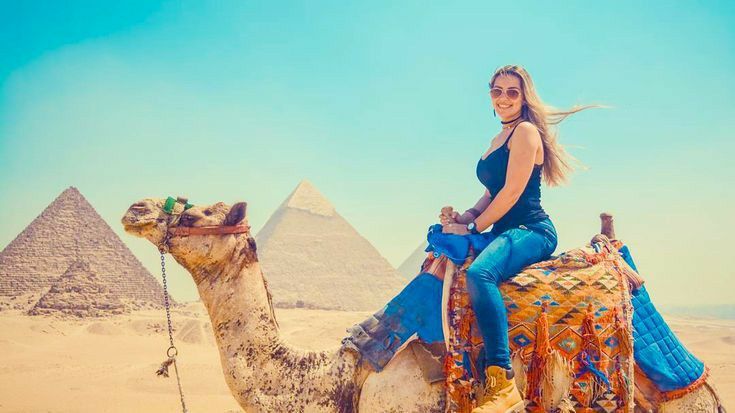
Egypt is a land of timeless wonders, where history, culture, and adventure come together to create an unforgettable travel experience. From the iconic pyramids of Giza and the majestic Nile River to the pristine beaches of the Red Sea and the awe-inspiring temples of Luxor and Aswan, Egypt offers something for every type of traveler. But if you want to truly enjoy everything this incredible country has to offer, timing your visit is key. Choosing the right season can make the difference between a comfortable, enjoyable trip and one marred by extreme heat or overcrowded attractions. In this complete travel guide, we’ll explore the best time to visit Egypt, taking into account weather, tourist seasons, festivals, and activities.
Understanding Egypt’s Climate
Egypt is largely a desert country, and its climate reflects this. Expect long, hot summers, mild winters, and very little rainfall throughout the year. However, the climate varies depending on where you are:
-
Northern Egypt (Cairo, Alexandria, Mediterranean Coast): Winters are mild and relatively wet, while summers are hot and dry. The Mediterranean breeze helps make the heat more bearable along the coast.
-
Southern Egypt (Luxor, Aswan, Nile Valley): Temperatures are higher, especially during summer. Summers can be extreme, often exceeding 40°C (104°F), while winters are pleasant and comfortable for sightseeing.
-
Red Sea Coast (Hurghada, Sharm El Sheikh, Marsa Alam): Warm year-round, with mild winters and hot summers. Ideal for beach holidays and water sports.
Understanding these regional differences is essential for planning your trip, especially if your itinerary includes both northern and southern Egypt.
Peak Tourist Seasons
The peak tourist season in Egypt falls during winter, from November to February. This period coincides with mild temperatures and comfortable sightseeing conditions, especially for exploring outdoor attractions like the Pyramids, Luxor’s temples, or taking a Nile cruise.
Advantages of visiting in winter:
-
Pleasant temperatures for sightseeing.
-
Clear skies ideal for photography.
-
Popular festivals and cultural events.
Disadvantages:
-
More tourists, especially in popular destinations like Cairo, Luxor, and Aswan.
-
Higher prices for flights, hotels, and Nile cruises.
If you don’t mind the crowds, winter is arguably the best season to enjoy Egypt comfortably.
Shoulder Seasons: Spring and Autumn
The shoulder seasons, March to May (spring) and September to October (autumn), offer an excellent balance between weather and crowd levels.
-
Spring (March–May): The desert blooms with beautiful flowers in some regions, and temperatures are warm but manageable.
-
Autumn (September–October): The summer heat begins to subside, making it ideal for sightseeing and outdoor adventures.
Traveling during shoulder seasons means fewer tourists than in winter and often lower prices. Sunrise and sunset photography on the Nile or at the Pyramids is particularly stunning during these months.
Summer in Egypt (June–August)
Egyptian summers are hot, especially in Southern Egypt. Luxor, Aswan, and other desert regions can reach temperatures above 40°C (104°F), making midday sightseeing challenging.
Best practices for summer travel:
-
Focus on early morning or late afternoon tours.
-
Plan indoor activities during peak heat, such as museum visits or cultural centers.
-
Summer is ideal for Red Sea beach destinations like Sharm El Sheikh and Hurghada, where water activities provide relief from the heat.
While summer is not ideal for temple visits or desert excursions, it’s perfect for diving, snorkeling, and enjoying the Red Sea resorts.
Monthly Breakdown: Best Months to Visit Egypt
Here’s a detailed guide to help you choose the perfect month:
-
January & February: Ideal for exploring Cairo, the Pyramids, and Nile cruises. Mild weather, though slightly cooler in the north.
-
March & April: Springtime in Egypt brings moderate temperatures, perfect for photography and sightseeing. The desert landscapes come alive with blooming plants.
-
May: Warmer temperatures, especially in Southern Egypt, but mornings and evenings are comfortable for tours.
-
June–August: Extremely hot in the south. Best for Red Sea resorts and water sports. Northern cities are hot but tolerable.
-
September & October: Pleasant temperatures return. Nile cruises and temple visits are ideal. Fewer tourists make it easier to explore at your own pace.
November & December: Winter conditions begin. Comfortable sightseeing, festive atmosphere, and ideal for Nile cruises and desert tours.
Special Considerations for Travelers
When planning your Egypt trip, consider cultural and religious events:
-
Ramadan: Fasting month observed by Muslims. While tourist attractions remain open, some restaurants may have limited hours. Experiencing Ramadan can provide a unique cultural insight.
-
Egyptian Holidays and Festivals:
-
Abu Simbel Sun Festival (February & October): A spectacular alignment of the sun at the Abu Simbel temple.
-
Cairo International Film Festival (November): A major cultural event attracting international visitors.
-
-
Avoiding crowds: Visiting early in the morning or late afternoon can help you enjoy popular sites with fewer tourists.
Outdoor Activities and Seasonal Recommendations
1. Nile Cruises:
-
Best during winter and shoulder seasons for comfortable sightseeing.
-
Sunrise and sunset views over the Nile are magical during cooler months.
2. Desert Adventures (Siwa, White Desert):
-
Best in October–April when temperatures are moderate. Summer can be extremely harsh.
-
Explore sand dunes, oasis towns, and unique desert landscapes comfortably.

3. Red Sea Resorts (Sharm El Sheikh, Hurghada, Marsa Alam):
-
Warm year-round; summer months are ideal for diving, snorkeling, and water sports.
-
Winter temperatures are milder and still pleasant for beach holidays.
4. Cultural Tours (Cairo, Luxor, Aswan):
-
Winter is ideal for exploring temples, pyramids, and museums.
-
Avoid midday heat during summer, and take advantage of early morning tours.
Tips for Planning Your Trip to Egypt
-
Packing: Light cotton clothing for summer, layers for winter evenings, comfortable shoes for temple and pyramid tours, and a hat or scarf for sun protection.
-
Booking in advance: Flights, Nile cruises, and hotel reservations are recommended during peak seasons.
-
Health & Safety: Stay hydrated, use sunscreen, and follow local customs when visiting religious sites.
-
Local Etiquette: Dress modestly, especially in rural areas and religious sites. Respect local traditions.
Why Timing Matters in Egypt
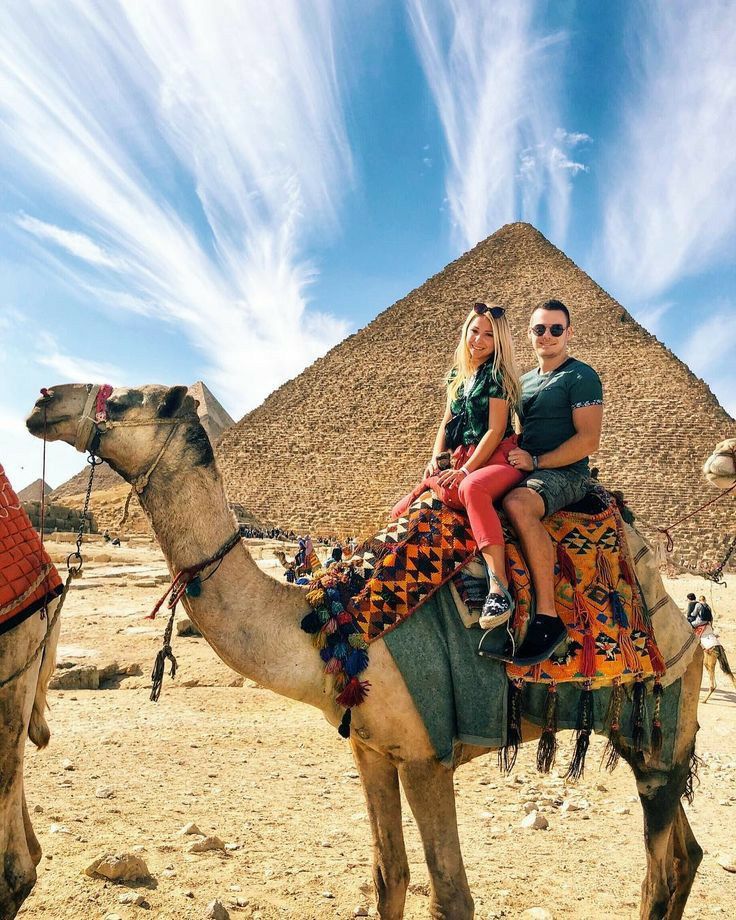
Timing your visit to Egypt not only ensures comfortable weather but also enhances your overall experience. Imagine exploring the Pyramids of Giza under a clear blue sky in winter, cruising the Nile at sunrise during spring, or enjoying the Red Sea’s warm waters in summer. Each season offers a unique perspective and allows travelers to tailor their experiences according to personal preferences.
Conclusion
Egypt is a country of endless wonders and unforgettable experiences. From the historical marvels of Cairo and Luxor to the natural beauty of the Nile and Red Sea, the right timing can elevate your journey and make it truly magical.
-
Best overall months: October to April for comfortable weather and sightseeing.
-
For beach lovers: June to August at the Red Sea resorts.
-
For fewer crowds: Shoulder seasons like March–May and September–October.
By planning your trip according to the seasons, you can experience Egypt at its very best. Whether it’s cruising the Nile, exploring ancient temples, or relaxing by the Red Sea, Egypt promises memories that will last a lifetime. Let’s explore Egypt through our best Egypt tours at the best prices.