The Sun God Ra in Ancient Egypt
In the heart of Ancient Egyptian civilization, one name rises above time, temples, and mythology—Ra, the Sun God. He was not just a deity; he was the force believed to bring light into the world, travel across the sky each day, and guide souls through the darkness of night.
For the ancient Egyptians, the sun was life itself, and Ra was its living soul. From the golden sands of the desert to the sacred temples carved in stone, his presence shaped religion, kingship, and the rhythm of daily life for thousands of years.
Even today, Ra remains one of the most powerful symbols of ancient spirituality and continues to attract travelers exploring Egypt through experiences like Egypt Tours 2026, where mythology and history come alive in real landscapes.
2. Quick Facts About Ra
Name: Ra (Re)
Domain: Sun, creation, kingship, light
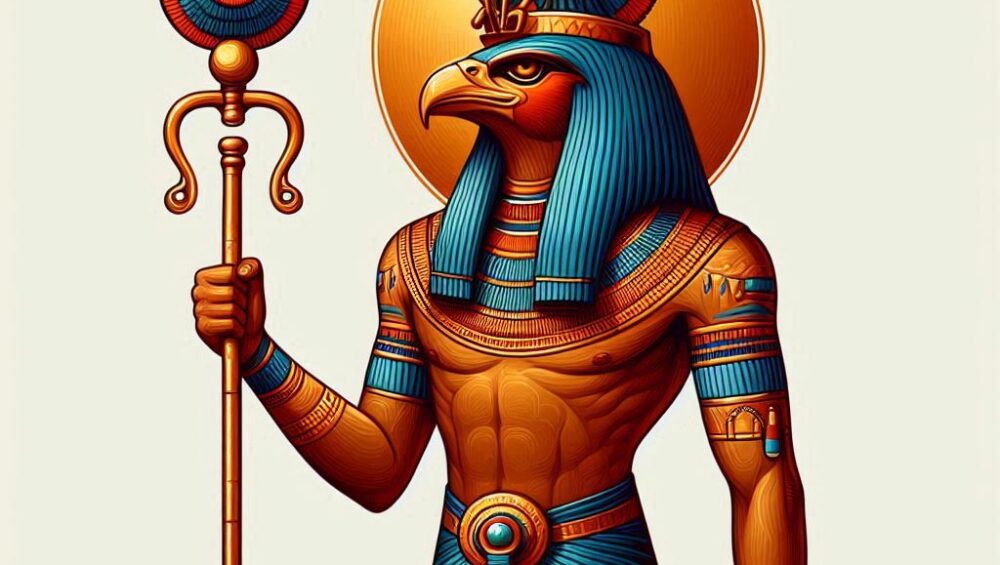
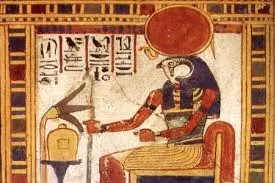
Symbols: Sun disk, falcon head, solar boat
Worship Centers: Heliopolis (Iunu), Cairo region
Main Temple Association: Temple of Heliopolis (now largely lost)
Mythological Role: Creator god, king of gods
Best Known Journey: Daily voyage across sky and underworld
Associated Gods: Amun-Ra, Horus, Atum
Importance Level: Supreme deity in multiple Egyptian dynasties
3. Background & Historical Context of Ra
Ra was one of the earliest and most important deities in Ancient Egyptian religion. His worship dates back to the Old Kingdom (around 2600 BCE), and over time, he became deeply connected with kingship and the identity of pharaohs.
Egyptians believed Ra created himself from the primordial waters of chaos called Nun. From this moment of creation, he brought light to the universe and established order—known as Ma’at.
Later, Ra was merged with other gods, forming powerful combined deities such as:
- Amun-Ra (King of Gods during the New Kingdom)
- Ra-Horakhty (Ra combined with Horus)
- Khepri (morning sun form of Ra)
This evolution shows how central Ra was—he was not replaced, but continuously reinterpreted across centuries.
4. The Myth of Ra’s Journey Across the Sky
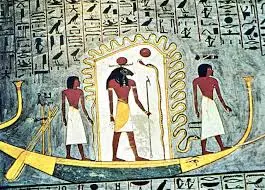
Ancient Egyptians believed Ra traveled in a solar boat across the sky every day.
Morning
He rises as Khepri, the scarab beetle, symbolizing rebirth and transformation.
Midday
He becomes Ra in full power, shining at his strongest.
Evening
He transforms into Atum, aging and preparing for descent.
Night Journey
At night, Ra travels through the Duat (underworld) where he battles the serpent Apophis (Apep), symbol of chaos. Every sunrise was seen as his victory over darkness.
This cycle represented:
- Life and death
- Order vs chaos
- Renewal and rebirth
5. What to Expect When Exploring Ra’s Legacy in Egypt
Although Ra himself cannot be visited like a physical monument, his legacy is deeply embedded in temples, inscriptions, and archaeological sites across Egypt.
The Place (Temples & Sites)
When visiting ancient sites connected to Ra, such as Heliopolis or temple ruins influenced by solar worship, travelers often feel a deep sense of connection to something timeless.
Massive stone columns, solar alignments, and hieroglyphs dedicated to the sun create a powerful atmosphere. Even standing among ruins, you can sense how important sunlight and cosmic order were to the ancient Egyptians.
Crowds
- Major archaeological sites can be moderately crowded during peak tourism seasons.
- Early mornings are usually quieter and offer better lighting for photography.
- Popular temple sites linked to sun worship may attract guided groups.
Distances
Exploring temples and ancient sites can involve walking long distances:
- Large temple complexes require 1–3 km of walking
- Some ruins are spread across wide open areas under direct sun
- Comfortable walking shoes are essential
Weather
Egypt’s climate strongly reflects Ra’s power:
- Intense sunlight most of the year
- Hot summers with very strong UV exposure
- Mild winters ideal for exploration
- Dry desert air with minimal shade at ruins
Visitors should prepare for sun exposure, as it is a key part of the experience of walking through ancient solar temples.
Tips for Visitors
- Visit early in the morning to avoid heat and crowds
- Carry water and sun protection
- Wear light, breathable clothing
- Bring a hat and sunglasses
- Take breaks in shaded areas when available
6. The Symbolism of Ra in Daily Egyptian Life
Ra was not only a god of mythology but also a central part of everyday Egyptian identity.
Pharaohs and Ra
Pharaohs were considered “Sons of Ra,” meaning they ruled under his divine authority. Their power was believed to be granted directly from the sun god.
Temples and Architecture
Many temples were designed with solar alignment:
- Sunlight entering sanctuaries during solstices
- Courtyards oriented toward sunrise
- Obelisks symbolizing sun rays
Religion and Belief System
Ra represented:
- Life force energy
- Justice and order
- Eternal rebirth
- Divine kingship
7. Real Insights & Visitor Experience
Many travelers exploring Egypt’s ancient sites often describe a strong emotional connection when learning about Ra.
One of our travelers mentioned that standing in front of temple columns under the blazing sun made them understand why the Egyptians worshipped solar energy—it felt overwhelming, powerful, and life-giving at the same time.
Visitors often say:
- The sun feels “alive” in Egypt’s landscapes
- Ancient temples feel like they still “hold energy”
- Sunrise and sunset create almost spiritual moments at ruins
These impressions show how mythology and environment merge into one experience.
8. Structure of Ra in Egyptian Mythology
Ra’s identity evolved across different eras:
Early Kingdom
- Worshipped as a supreme creator god
- Associated with Heliopolis
Middle Kingdom
- Merged with Amun for political unity
- Became Amun-Ra
New Kingdom
- Became part of complex solar theology
- Strong connection with royal power
Late Period
- Continued symbolic importance
- Integrated into funerary beliefs
9. Influence of Ra on Modern Culture
Ra’s symbolism continues today in:
- Literature and films about ancient Egypt
- Spiritual and philosophical interpretations
- Museum exhibitions worldwide
- Tourism narratives in Egypt
His image as a sun-headed figure remains one of the most recognizable symbols of ancient mythology.
10. Travel Connection: Exploring Ancient Egypt Through Ra’s Legacy
For modern travelers, understanding Ra adds depth to any journey through Egypt.
Exploring temples, deserts, and ancient cities becomes more meaningful when you understand the mythology behind them.
Many travel experiences today include cultural storytelling, making the journey feel like stepping into history.
Those planning immersive cultural trips often include curated experiences similar to Egypt Luxury Tours 2026, where mythology, archaeology, and guided storytelling come together.
11. Practical Travel Tips for Exploring Solar-Related Sites
- Start early (before 9 AM is ideal)
- Avoid peak midday sun
- Use guided tours for historical context
- Bring camera with good sunlight settings
- Stay hydrated throughout the visit
- Respect archaeological sites
12. Common Mistakes to Avoid
- Underestimating the heat
- Skipping guided explanations
- Not planning enough time for large sites
- Ignoring sun protection
- Visiting at midday without breaks
13. Why Ra Still Matters Today
Ra represents more than ancient mythology. He symbolizes:
- The human connection to nature
- The importance of cycles in life
- The balance between order and chaos
- The timeless power of light and renewal
Even in modern times, his story continues to inspire curiosity and respect for ancient Egyptian civilization.
14. FAQ About Ra, the Sun God
Who was Ra in Ancient Egypt?
Ra was the ancient Egyptian sun god and one of the most powerful deities in Egyptian mythology.
Why was Ra important?
He was believed to be the creator of life and the ruler of the sky, responsible for maintaining cosmic order.
Where was Ra worshipped?
His main cult center was Heliopolis near modern-day Cairo.
What animal represents Ra?
Ra is commonly represented as a falcon or a man with a sun disk on his head.
Is Ra still worshipped today?
No, but he remains a major symbol in history, culture, and tourism.
15. Conclusion
Ra is more than a mythological figure—he is a symbol of life, power, and cosmic balance that shaped one of the greatest civilizations in history. His legacy continues to shine through ancient temples, cultural storytelling, and modern exploration of Egypt’s rich past.
Understanding Ra transforms the way we see ancient Egypt—from stone ruins into a living story of light, belief, and eternal cycles.
For travelers and history lovers alike, exploring this world offers an unforgettable journey into the heart of civilization, especially through immersive cultural experiences like Egypt Tours 2026.