
Sobek is one of the most powerful and visually striking gods in ancient Egyptian mythology. Known as the crocodile god of the Nile, he represented strength, protection, fertility, and the unpredictable force of water.
In ancient Egypt, Sobek was both feared and respected. Today, his legacy still lives along the Nile—especially in Upper Egypt, where travelers can explore temples and landscapes deeply connected to his myth.
If you are planning a journey through Egypt, discovering Sobek adds a completely new layer to your Nile experience. Let’s discover the majesty of Sobek through our Egypt Tours and explore ancient temples along the Nile.
2. Quick Facts
- Main site: Temple of Kom Ombo
- Deity: Sobek (Crocodile God of Ancient Egypt)
- Location: Upper Egypt – Aswan region
- Access: Nile River cruises & Aswan day tours
- Best time to visit: October – April
- Recommended visit time: 1–2 hours
- Highlight: Nile-side temple views + crocodile carvings
3. History & Mythology of Sobek
Sobek was worshipped as the god of the Nile’s strength and danger. Ancient Egyptians believed he controlled the waters that gave life to agriculture while also representing chaos and unpredictability.
His worship became especially important during periods when controlling the Nile floods meant survival for entire civilizations.
Sobek in Ancient Beliefs:
- God of fertility and water
- Protector of soldiers and pharaohs
- Symbol of power and dominance
- Linked to creation myths in some traditions
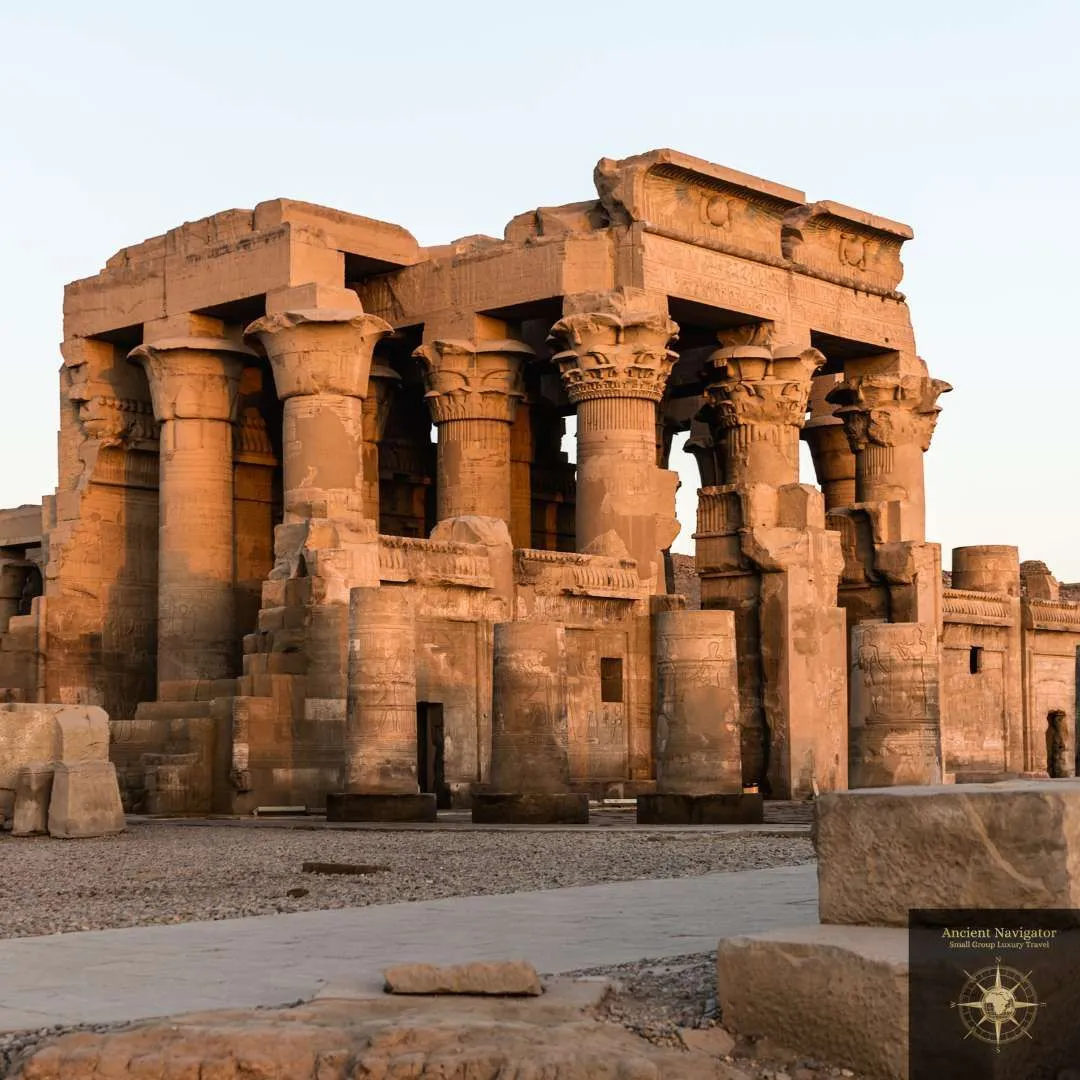
His most important worship center was the double temple at Kom Ombo, where he was honored alongside Horus.
4. Where to See Sobek in Egypt Today
Kom Ombo Temple – The Main Legacy
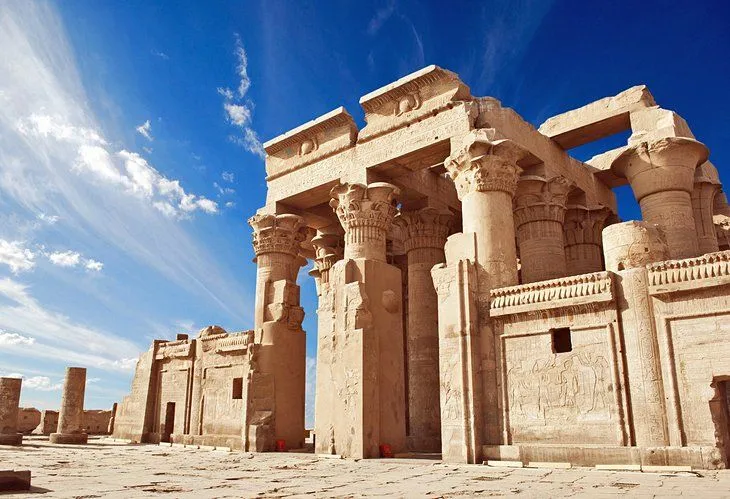
The most famous place connected to Sobek is Temple of Kom Ombo.
This temple is unique because it is:
- A double temple (Sobek + Horus)
- Built directly on the edge of the Nile River
- Famous for crocodile carvings and ancient medical symbols
- Step into ancient Egypt and feel the spirit of Sobek with our immersive Egypt Luxury Tours experience.
Crocodile Museum
Next to the temple, you’ll find mummified crocodiles displayed as part of Sobek’s cult. Ancient Egyptians even kept sacred crocodiles in temple pools, treating them as living representations of the god.
The Nile – Sobek’s Living Domain
The entire Nile River was considered Sobek’s territory.
When you sail:
- You are moving through his mythological world
- Ancient travelers believed he protected river journeys
- The river connects all temples dedicated to him
What to Expect at Kom Ombo Temple
The Place
The temple is perfectly symmetrical, split into two identical halves. One side honors Sobek, and the other honors Horus.
You will notice:
- Massive stone columns facing the Nile
- Detailed carvings of crocodiles and healing tools
- Open courtyards with river views
- A calm but powerful atmosphere
Crowds
- Morning: peaceful, best for photography
- Midday: busiest (cruise groups arrive)
- Sunset: dramatic lighting over the Nile
Distances
- Compact but detailed site
- Easy to explore in 1–2 hours
- Flat walking paths with open courtyards
Weather
- Hot and dry most of the year
- Shade is limited
- Essential: hat, sunscreen, water
6. Experience & Atmosphere
Standing in the Sobek section of the temple feels different from other Egyptian sites. The carvings, river view, and crocodile symbolism create a powerful atmosphere that reflects both fear and respect.
Many visitors describe the place as:
- Mystical
- Calm but intense
- Deeply connected to nature
One traveler noted that the riverside setting makes it easy to imagine ancient priests performing rituals just meters away from the flowing Nile.
7. Practical Travel Tips
✔ Best Time
- Early morning (best light + fewer crowds)
✔ What to Wear
- Light clothing
- Comfortable walking shoes
- Hat + sunglasses
✔ What to Bring
- Water bottle
- Camera
- Sun protection
Common Mistakes
- Visiting midday in summer heat
- Rushing through both temple sides
- Ignoring small carvings (they carry meaning)
8. Why Sobek Matters in Egyptian Culture
Sobek was not just a mythological figure. He represented:
- Control over nature
- Survival along the Nile
- Military strength in ancient Egypt
- The balance between chaos and order
This is why pharaohs often associated themselves with Sobek—to show power and dominance.
9. Internal Travel Connections
While exploring Sobek’s world, you can combine your visit with:
- Temple of Kom Ombo
- Nile cruises from Luxor to Aswan
- Aswan cultural tours and temples
- Southern Egypt archaeological sites
10. FAQ
Who is Sobek?
Sobek is the crocodile god of ancient Egypt associated with the Nile, strength, and protection.
Where is his main temple?
At Temple of Kom Ombo in Upper Egypt.
Is Kom Ombo worth visiting?
Yes, it is one of the most unique temples in Egypt due to its double structure and Nile-side location.
How long does it take?
Around 1–2 hours depending on pace.
Exploring Sobek’s legacy is one of the most unique experiences along the Nile River.
Combine Kom Ombo with a Nile cruise or Aswan tour and experience Egypt’s mythology in real life—not just in history books.
Discover the powerful story of Sobek on our Egypt Tours and journey through Egypt’s most iconic temples.