Siwa Oasis is one of Egypt’s most enchanting and distinctive desert destinations. Nestled deep in the Western Desert near the Libyan border, this remote settlement has preserved a way of life that feels both ancient and timeless. Surrounded by vast sand seas, shimmering salt lakes, and thousands of date palms, Siwa Oasis stands apart from the Nile Valley both geographically and culturally. Its isolation has shaped a unique identity rooted in Berber heritage, traditional architecture, and a deep connection to the surrounding desert landscape.
For centuries, Siwa Oasis served as a crossroads of trade, spirituality, and survival. Caravans once passed through carrying goods across North Africa, while pilgrims and rulers sought wisdom from its legendary oracle. Today, travelers are drawn not only by its history but also by its serene atmosphere, eco-lodges, therapeutic springs, and sweeping desert adventures.
Geographic Setting
Located approximately 750 kilometers west of Cairo, Siwa Oasis lies in a depression below sea level. The surrounding terrain is dominated by dramatic limestone outcrops, rolling dunes, and the immense Great Sand Sea. The oasis itself flourishes thanks to natural underground springs that sustain palm groves and olive orchards in an otherwise arid environment.
The climate is typically desert-like: intensely hot summers, mild winters, and minimal rainfall. Yet the presence of freshwater springs creates microclimates that support agriculture and sustain local communities. The striking contrast between golden sand dunes and vivid green palm clusters gives Siwa Oasis its unforgettable visual character.
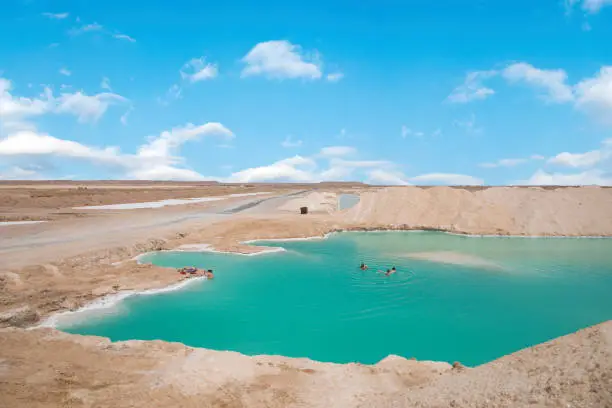
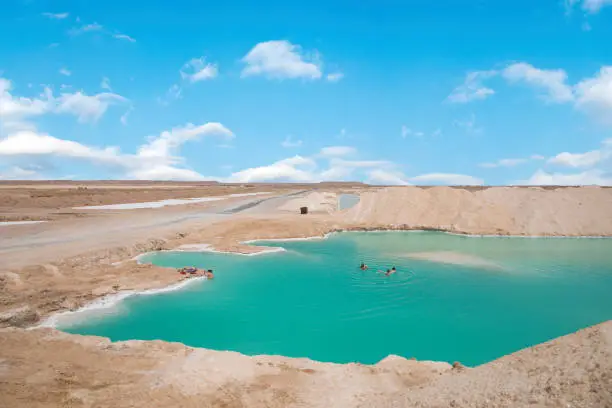
Salt lakes are among the most remarkable features of the region. Their high salinity allows visitors to float effortlessly on the surface, creating a natural spa-like experience. At sunrise and sunset, these lakes reflect the sky in brilliant hues of pink and gold, adding to the oasis’s mystical appeal.
Historical Background
The history of Siwa Oasis stretches back thousands of years. Archaeological evidence suggests habitation since prehistoric times, and its strategic location made it significant during Pharaonic, Greek, and Roman periods.
One of its most famous historical landmarks is the Temple of the Oracle of Amun, where the legendary Macedonian ruler Alexander the Great is believed to have visited in 331 BCE. According to tradition, he sought confirmation of his divine status from the oracle. This event cemented the oasis’s place in classical history and enhanced its spiritual prestige.
During the Roman era, Siwa Oasis became part of a broader network of desert settlements supplying agricultural products such as dates and olives. The ruins of Roman baths and fortifications still stand as reminders of that era. Over time, the oasis continued to thrive as an agricultural hub, relying on its natural springs and traditional irrigation systems.
In the medieval period, isolation allowed Siwa’s community to preserve its distinct Amazigh (Berber) language and customs. Even today, many residents speak Siwi, a Berber dialect that differs significantly from mainstream Arabic spoken in other parts of Egypt.
Cultural Identity
The culture of Siwa Oasis is one of its most defining characteristics. Unlike many regions along the Nile, Siwa’s traditions reflect Amazigh roots blended with Islamic influences. The community values hospitality, modesty, and strong family bonds.
Traditional dress for women often includes embroidered garments adorned with silver jewelry. Weddings are vibrant, multi-day celebrations featuring music, dance, and elaborate costumes. Handicrafts such as basket weaving, embroidery, and silverwork remain important elements of local identity.
Architecture in Siwa Oasis also stands out. Homes were historically built from “kershef,” a mixture of salt, mud, and stone. This unique material provides natural insulation against extreme heat. The ancient fortress of Shali, constructed from kershef in the 13th century, once served as the heart of the community. Although partially damaged by heavy rains in the early 20th century, its towering ruins still dominate the landscape.
Natural Springs and Wellness
Water is the lifeblood of Siwa Oasis. Hundreds of natural springs dot the region, each with distinct properties. Cleopatra’s Spring, a circular stone pool surrounded by palm trees, is one of the most photographed sites. While legends link it to the famous Egyptian queen Cleopatra, the spring’s true historical origins remain uncertain. Nonetheless, its refreshing waters provide relief from desert heat.
Another notable site is Bir Wahed, a hot spring located amid towering dunes in the Great Sand Sea. Visitors often combine a desert safari with a relaxing soak in its mineral-rich waters. The contrast between hot sand and warm spring water creates a memorable sensory experience.
Salt lakes in Siwa Oasis are also renowned for their therapeutic benefits. The mineral concentration is believed to support skin health and muscle relaxation. Floating effortlessly in these turquoise waters has become one of the oasis’s signature activities.
Agriculture and Economy
Agriculture remains central to life in Siwa Oasis. Date palms and olive trees dominate the landscape, forming the backbone of the local economy. Siwan dates are known for their quality and sweetness, while olive oil produced in the region is widely appreciated across Egypt.
Traditional irrigation methods, some dating back centuries, distribute water efficiently across orchards. Farmers rely on a network of springs and channels to maintain productivity despite harsh desert conditions.
Tourism has become an increasingly important economic driver. Eco-tourism, in particular, aligns well with the oasis’s natural environment and cultural preservation efforts. Many lodges are constructed using traditional materials and sustainable practices, blending seamlessly into the surrounding desert.
Desert Adventures
For adventurous travelers, Siwa Oasis offers access to one of the most spectacular desert landscapes in North Africa: the Great Sand Sea. This vast expanse of rolling dunes stretches to the horizon, creating opportunities for sandboarding, dune bashing, and camping under the stars.
Sunset in the desert is an unforgettable experience. As the sun dips below the dunes, the sky transforms into layers of orange, crimson, and violet. Nightfall reveals a canopy of stars unspoiled by city lights, offering a sense of cosmic stillness rarely found elsewhere.
Guided desert safaris often include visits to fossil sites, ancient caravan routes, and hidden springs. These excursions highlight the delicate balance between beauty and survival in the desert ecosystem.
Religious and Spiritual Significance
Spirituality has long played a role in the identity of Siwa Oasis. The Temple of the Oracle remains a powerful symbol of divine consultation and prophecy in antiquity. While no longer active as a religious center, it continues to attract visitors fascinated by its historical mystique.
Islam shapes daily life in the oasis today, with mosques serving as community anchors. Religious festivals and communal gatherings reinforce social cohesion and shared values.
Modern Developments
Despite its remote location, Siwa Oasis has gradually integrated into Egypt’s broader tourism network. Improved roads and communication have made access easier, though the journey remains lengthy compared to Nile destinations.
Efforts to preserve environmental integrity are ongoing. Overdevelopment could threaten the fragile ecosystem that sustains the oasis. Responsible tourism initiatives emphasize sustainability, cultural respect, and ecological balance.
Local authorities and community leaders work together to maintain authenticity while accommodating visitors. This careful approach ensures that modernization does not erase the traditions that define Siwa Oasis.
Culinary Traditions
Cuisine in Siwa Oasis reflects local agriculture and desert influences. Dates appear in both sweet and savory dishes. Olive oil enhances flavor in many meals. Traditional bread baked in clay ovens accompanies hearty stews and vegetable dishes.
Herbal teas made from desert plants are popular among residents and visitors alike. Meals are often communal, reinforcing bonds and hospitality traditions.
Architecture and Eco-Lodges
Eco-lodges have become a hallmark of the visitor experience in Siwa Oasis. Built using kershef and other natural materials, these accommodations prioritize harmony with the environment. Soft lighting, earthen walls, and open courtyards create an atmosphere of tranquility.
Unlike conventional resorts, many eco-lodges avoid excessive electricity and encourage digital detox. Guests often find themselves reconnecting with nature, slowing down, and appreciating simple pleasures.
Artistic and Cultural Revival
In recent years, there has been a renewed interest in preserving Siwan crafts and language. Cultural festivals celebrate Amazigh heritage through music and storytelling. Artists and photographers are drawn to the oasis’s textures, colors, and light.
This cultural revival strengthens pride among residents and deepens visitors’ understanding of the oasis’s distinct identity.
Environmental Challenges
Like many desert environments, Siwa Oasis faces environmental pressures. Overuse of groundwater, climate change, and increased tourism could disrupt delicate ecological systems. Conservation initiatives aim to balance development with sustainability.
Community-based tourism models encourage local participation in decision-making processes. By involving residents directly, these efforts help protect both cultural and natural heritage.
Why Visit
Travelers seeking more than monuments will find Siwa Oasis uniquely rewarding. It offers a blend of history, spirituality, adventure, and wellness. Unlike bustling urban centers, the oasis invites introspection and calm.
Whether floating in salt lakes, exploring ancient ruins, or camping beneath starlit skies, visitors experience a rare sense of remoteness and authenticity.
Conclusion
Siwa Oasis is not merely a geographic location; it is a living testament to resilience, tradition, and harmony with nature. From its ancient oracle to its shimmering lakes and towering dunes, every corner tells a story of endurance and wonder. Travelers searching for authenticity, serenity, and adventure will find all three woven seamlessly into daily life here.
The beauty, culture, and tranquility of Siwa Oasis make it one of Egypt’s most extraordinary destinations. Let’s discover Siwa oasis through our Oasis Egypt Tours.