
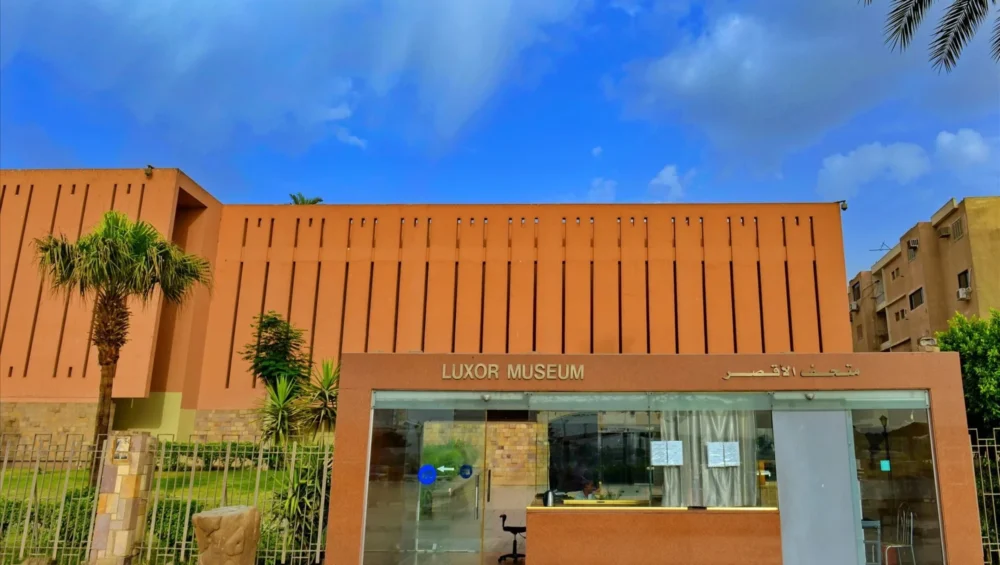
Located on the majestic east bank of the Nile, the Luxor Museum is one of Egypt’s most elegant and well-curated archaeological museums. Unlike large, overwhelming museums, this one offers a calm and focused journey through ancient Egyptian history—where every artifact feels carefully chosen and beautifully presented.
Walking inside feels less like entering a museum and more like stepping into a quiet conversation with the past, where statues, jewelry, and relics tell stories that are still alive thousands of years later.
If you are planning a trip to Luxor or exploring Egypt’s ancient treasures, the Luxor Museum is a must-visit stop that perfectly balances history, art, and atmosphere.
2. Quick Facts About Luxor Museum
Location
- Corniche El Nile Street, Luxor, Egypt
- Overlooking the Nile River between Luxor Temple and the city center
Opening Hours
- Daily: 9:00 AM – 2:00 PM & 5:00 PM – 9:00 PM (may vary seasonally)
Ticket Prices
- Foreign adults: approx. 300–400 EGP
- Students: discounted rates available with valid ID
Best Time to Visit
- October to April (cooler weather and better walking conditions)
- Early morning or late afternoon for fewer crowds
Recommended Duration
- 1.5 to 2.5 hours
3. History & Background of Luxor Museum
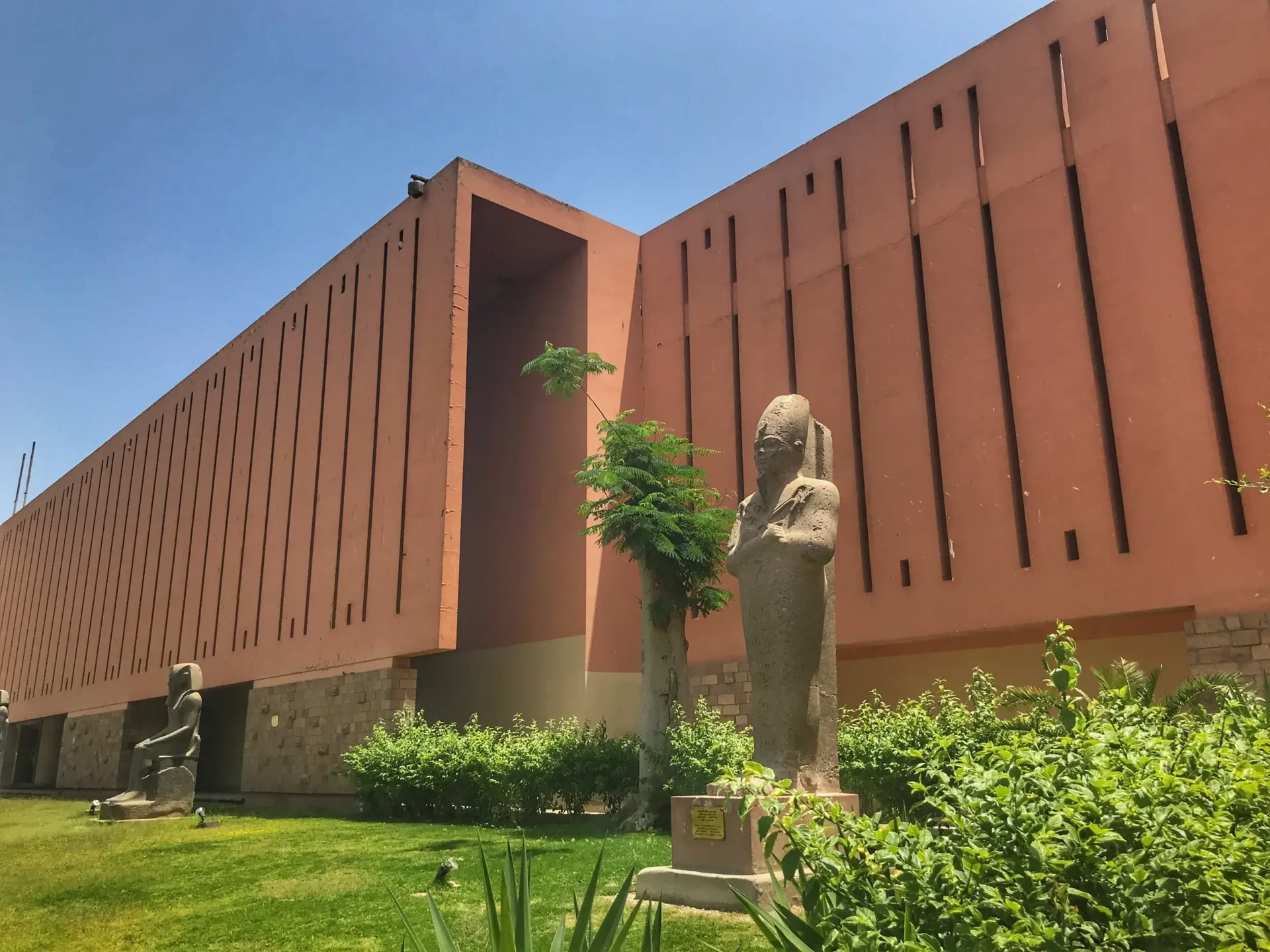
The Luxor Museum was officially opened in 1975, designed with a modern architectural style that prioritizes simplicity and display quality over size. Unlike older museums in Egypt, it was built to highlight artifacts in a clean, well-lit environment with carefully controlled lighting and spacing.
Its collection mainly comes from the Theban region, which includes Luxor, Karnak, and surrounding archaeological sites. Many of the artifacts were discovered during excavations or transferred from storage in larger museums to give them a dedicated home.
One of the museum’s most important roles is preserving artifacts from Ancient Thebes, the capital of Egypt during the New Kingdom period. It includes items from famous pharaohs such as Tutankhamun, Amenhotep III, and Hatshepsut.
Over the years, the museum has expanded its collection and now serves as one of the most important cultural stops in Upper Egypt.
4. What to Expect at Luxor Museum
The Place
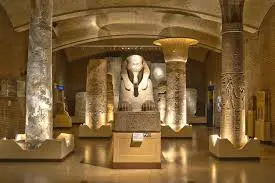
The moment you enter the Luxor Museum, you immediately notice the calm and minimalist design. Unlike crowded museums, the space is open, quiet, and carefully arranged.
- The lighting is soft and focused on each artifact
- Exhibits are not overcrowded, allowing you to appreciate details
- The layout is easy to navigate with clear pathways
- Large windows offer views of the Nile, adding natural beauty to the experience
You will find statues, pottery, jewelry, and mummies displayed in a way that feels almost artistic rather than just historical.
One of the most famous highlights is the reconstructed Royal Cachette of Luxor statues, discovered buried near Luxor Temple. If you’re planning to experience it fully, the Tour to Luxor Museum offers the best way to explore its highlights with proper context and time.
Crowds
The museum is generally less crowded than Luxor Temple or Karnak Temple, making it a peaceful break from outdoor sightseeing.
- Morning hours are the quietest
- Midday can see small tour groups
- Evenings are calm and atmospheric
Unlike major tourist sites, you won’t feel rushed or overwhelmed here. You can move at your own pace, making it ideal for photography and detailed observation.
Distances & Layout
The museum is not very large, but it is rich in content.
- Walking distance inside: moderate (easy to complete in under 2 hours)
- Two main floors with connected exhibition halls
- No long exhausting walking routes
- Seating areas available for rest
Everything is designed for comfort, so visitors of all ages can enjoy the experience without fatigue.
Weather & Environment
Since Luxor is known for its hot climate, the museum offers a refreshing indoor escape.
- Air-conditioned interior
- Controlled humidity for artifact preservation
- Cool environment compared to outdoor temples
Outside conditions can be very hot in summer, so the museum is often included as a midday break in tours.
Tips Inside the Museum
- Photography is allowed in most areas (without flash)
- Take time with each exhibit; labels are informative and concise
- Don’t rush—some of the smallest items are the most impressive
- Visit the upper floor for panoramic views of artifacts and Nile scenery
5. Practical Travel Tips for Visiting Luxor Museum
Best Time to Visit
- Early morning or late afternoon
- Weekdays for fewer tourists
What to Wear
- Light, breathable clothing
- Comfortable walking shoes
- A light jacket if visiting in winter evenings
What to Bring
- Water bottle
- Camera or smartphone
- Sunglasses (for walking outside)
- Cash for tickets or souvenirs
Common Mistakes to Avoid
- Visiting in peak midday heat without planning breaks
- Rushing through exhibits without reading descriptions
- Skipping the upper floor galleries
- Not checking updated opening hours during holidays
6. Real Visitor Insights
Visitors often describe the Luxor Museum as one of the most “underrated” cultural experiences in Egypt.
One traveler mentioned that the museum felt like “a quiet escape from the intensity of Luxor’s temples,” especially after visiting large sites like Karnak.
Another visitor noted that the statues of ancient pharaohs displayed in the museum are “so well-preserved that they feel almost alive,” especially when viewed under the soft lighting inside the halls.
Many also appreciate how easy it is to explore without guides, though guided tours can add deeper historical context for those interested in detailed storytelling.
7. Structure & Layout Overview
The Luxor Museum is designed in a clean, modern structure that improves visitor flow.
Main Sections:
- Entrance Hall: introduction artifacts and statues
- Ground Floor: larger sculptures and royal pieces
- Upper Floor: smaller artifacts, jewelry, and mummies
Navigation:
- Clear signage in multiple languages
- Logical progression of historical periods
- Minimal confusion compared to larger museums
This structured layout makes it ideal for both casual visitors and history enthusiasts.
8.FAQ
How long does it take to visit Luxor Museum?
Most visitors spend between 1.5 to 2.5 hours, depending on interest level.
Is Luxor Museum crowded?
It is generally less crowded than major temples, making it a peaceful cultural stop.
Is it worth visiting?
Yes, especially for travelers interested in Ancient Egyptian history, statues, and artifacts. It offers a more intimate experience compared to larger sites.
Can I take photos inside?
Yes, photography is allowed in most areas, but flash may be restricted.
Is it suitable for families?
Absolutely. The museum is easy to walk through and educational for children and adults alike.
Conclusion
The Luxor Museum is more than just a collection of artifacts—it’s a quiet bridge between modern life and one of the world’s oldest civilizations. Its calm atmosphere, carefully preserved treasures, and storytelling displays make it an essential stop for anyone visiting Luxor.
If you are planning a full journey through Upper Egypt, the Tour to Luxor Museum can be perfectly combined with nearby temples and Nile-side experiences to fully immerse yourself in the beauty of ancient Thebes.
Explore these experiences to make your visit more complete and meaningful.