Esna (Arabic: إسنا), historically known as Iunyt and later as Latopolis, is an ancient Egyptian city situated on the west bank of the Nile River about 55 km (34 mi) south of Luxor in the Qena Governorate of Upper Egypt.
Esna’s unique blend of pharaonic antiquity, Greco‑Roman heritage, Coptic and Islamic culture, and vibrant local life makes it a fascinating destination that remains less visited than its better‑known neighbors Luxor and Aswan — yet deeply rewarding for those interested in Egypt’s layered past and living traditions.
Ancient Origins and Names
Esna traces its origins back to ancient Egypt, where it was known as Iunyt (also rendered as Ta‑Senet). In the Greco‑Roman period, the city was known as Latopolis, named after the Nile perch (Lates niloticus), a fish species abundant in the river and regarded as sacred in pre‑Christian times.
The Nile perch was closely associated with the goddess Neith, and images or symbols of the fish appear in local reliefs and cultural references, reflecting the religious beliefs of ancient inhabitants.
Esna served as the capital of the Third Nome of Upper Egypt, making it an important administrative and religious center during various periods of Egyptian history.
The Temple of Esna (Temple of Khnum)
History and Architecture
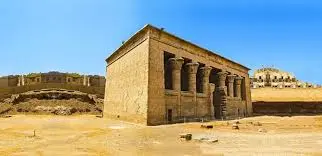
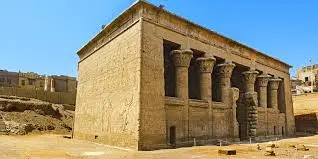
The most significant monument in Esna is the Temple of Esna, dedicated primarily to the creator god Khnum, along with deities such as Neith, Heka, and other members of the local pantheon.
Though the exact origins of Esna’s religious complex go back centuries, the existing temple structure was begun in the Ptolemaic period and expanded during the Roman era (roughly from the 3rd century BCE through the 2nd century CE).
The temple lies partially below modern street level, which is typical for many Nile cities where continuous settlement raised ground levels over time.
Hypostyle Hall and Columns
One of the most extraordinary parts of the Temple of Esna is its hypostyle hall, supported by 24 massive sandstone columns, each over 13 m (42 ft) tall with elaborate floral‑and‑papyrus capitals.
These columns and walls are covered in richly carved reliefs depicting gods, pharaohs, and scenes of offerings. Surviving texts include hymns, ritual scenes, and even astronomical inscriptions, like zodiac symbols — though many of these only became visible after modern archaeological cleaning removed centuries of soot and sediment from the surfaces.
Ritual and Religious Significance
In ancient Egyptian belief, entering a temple was governed by strict ritual requirements. According to inscriptions at Esna, visitors were expected to maintain ritual purity, including fasting, removing body hair, and wearing linen garments instead of wool.
This reflects the temple’s deep sacred status in ancient religious life and explains the careful preservation of its reliefs and symbolic texts.
Restoration and Archaeology
Recent restoration projects — including joint Egyptian and international missions — have worked to clean and stabilize the temple’s artistic elements, uncover paintings and texts previously obscured by time, and enhance understanding of Esna’s religious and artistic heritage.
The results have revealed vibrant colors and intricate designs that had not been fully visible for centuries, attracting both scholars and visitors interested in Egypt’s ancient cosmology and temple art.
Esna Through the Ages
Esna has been continuously inhabited from ancient times through the medieval period and into the modern era, making it a rare example of a city where many layers of Egyptian history remain visible today. Let’s uncover the timeless beauty of Esna on our unforgettable Dahabiya Nile Cruise 2026/2027, where history, culture, and the magic of the Nile come alive!
Greco‑Roman Era
During the Greco‑Roman era, the city grew in importance as a regional capital, resulting in major constructions including the Temple of Esna. As Latopolis, it was a hub for religious festivals, trade, and artistic expression throughout this dynamic period in Egyptian history.
Christian and Coptic Heritage
Esna also played a notable role in early Christian history. Known as the “City of Martyrs”, it witnessed the persecution of Christians during Roman rule — particularly between 303 and 311 CE.
Today, Esna and its environs are home to several historic Coptic churches and monasteries, including the Church of the Blessed Virgin Mary, the Shrine of the Three Martyred Peasants, and the Monastery of the Martyrs dedicated to Saint Ammonius.
Other religious sites connected to this tradition include additional churches and monastic centers that reflect the city’s enduring Christian legacy and its role in Egypt’s spiritual history.
Islamic and Medieval Periods
Esna’s long medieval history includes Islamic architectural and cultural influences, visible in the city’s street layout, traditional markets, and the blend of social practices dating back centuries.
Modern Esna
Today, Esna is a lively small city that blends ancient heritage with everyday Egyptian life.
Location and Transport
Situated along the Nile’s west bank, Esna lies on major Nile cruise routes, as travelers journey between Luxor and Aswan. Cruise boats ferrying visitors up and down the river often stop at Esna to allow passengers to explore the temple and markets.
Modern infrastructural landmarks include two barrage bridges across the Nile — an older one built in 1906 by the British and a newer Electricity Bridge constructed in the 1990s — which help regulate the river’s flow and facilitate navigation.
Markets and Local Life
Esna’s Al‑Qīsāriyya Market is a bustling traditional marketplace dating back more than a century. Lined with shops and workshops, it offers everything from textiles and handicrafts to spices and local products, giving visitors an authentic glimpse into daily life in Upper Egypt.
Nearby, traditional industries like the Bakkūr Oil Press — dating back to the 9th century and still producing seed oils — testify to Esna’s long history of craft and trade.
Cultural Revival and Heritage Projects
In recent years, projects aimed at revitalizing Esna’s historic core have drawn international attention. An initiative to restore and celebrate the city’s architectural and social heritage won the prestigious Aga Khan Award for Architecture in 2025, recognizing efforts to preserve heritage while enhancing local quality of life.
These efforts include restoring historic buildings like Wakalat al‑Geddawy caravanserai and portions of the old market, reviving traditional crafts, and promoting Esna as a cultural tourism destination.
Tourism and Visiting Today
Though overshadowed by iconic sites like Luxor and Karnak, Esna offers several compelling reasons for travelers to stop and explore:
-
Temple of Esna: Large Greco‑Roman temple with richly carved reliefs, towering columns, and ancient inscriptions.
-
Al‑Qīsāriyya Market: Lively covered market with local crafts and goods.
-
Esna Lock and Barrage Area: A unique view of Nile river engineering and traditional boat traffic.
-
Local Cuisine and Crafts: Traditional eateries and artisan workshops offer tastes and experiences rooted in local culture.
-
Nearer Attractions: Easy access to Luxor’s temples, tombs, and archaeological sites as part of Nile cruise itineraries.
Esna in Summary
Esna represents a rare continuity of human settlement from pharaonic times through Greco‑Roman, medieval, and modern periods. Its Temple of Khnum stands as one of Egypt’s great surviving monuments, while markets, craft traditions, and heritage restoration projects keep its cultural life vibrant today. Let’s uncover the timeless beauty of Esna on our unforgettable Dahabiya Nile Cruise 2026/2027, where history, culture, and the magic of the Nile come alive!


