If you’re staying in Hurghada, the vibrant Red Sea resort known for its coral reefs and beach life, a trip to Luxor should be at the top of your bucket list. Luxor, often called the world’s greatest open‑air museum, is where the ancient Egyptian civilization flourished along the fertile banks of the Nile. It’s home to colossal temples, royal tombs, and archaeological treasures that reveal a civilization thousands of years old — all within reach from Hurghada in a single yet enriching journey.
Why Luxor is a Must‑Visit
Luxor is not just another Egyptian city — it’s history brought to life. This remarkable destination was once the bustling heart of ancient Thebes, Egypt’s capital during its most powerful dynasties. Today, the city’s monumental temples and tombs stand as grand testaments to one of the most advanced civilizations in human history.
From Luxor’s East Bank, where temples rise with towering columns and intricate carvings, to the West Bank, where royal pharaohs were buried deep in the desert, every site tells a compelling story of divine kingship, religion, and artistic achievement. Traveling from Hurghada to Luxor lets you witness these stories firsthand.
Planning the Journey from Hurghada to Luxor
The distance from Hurghada to Luxor is roughly 300 kilometers (about 186 miles) by road. Whether you choose a private transfer, a tour bus, or a chartered group trip, the scenic desert and oasis vistas slowly give way to the verdant Nile Valley, a contrast that marks the transition from coastal resort life to ancient river civilization.
Most visitors begin their day early — often before sunrise — to make the most of their time in Luxor. The drive typically takes 4 to 5 hours by car or private van, though travel time depends on the route taken and any stops along the way. Many tour companies from Hurghada also offer guided excursions that include transportation, tea breaks, Egyptologist guides, and sometimes meals.
First Stop: Karnak Temple — A City of Monuments
As you reach Luxor, your first major destination is often the Karnak Temple Complex — one of the largest religious sites ever built. Karnak was a living temple for over 2,000 years, continuously expanded by pharaoh after pharaoh. Its massive columns, rising like a stone forest, still echo with the prayers and chants of ancient worshippers.
The Hypostyle Hall alone — a forest of 134 pillars carved with hieroglyphs — is breath‑taking. Walking through its corridors, you’ll sense the grandeur and devotion of ancient Egyptians who saw this place as the earthly home of Amun‑Ra, the king of gods.
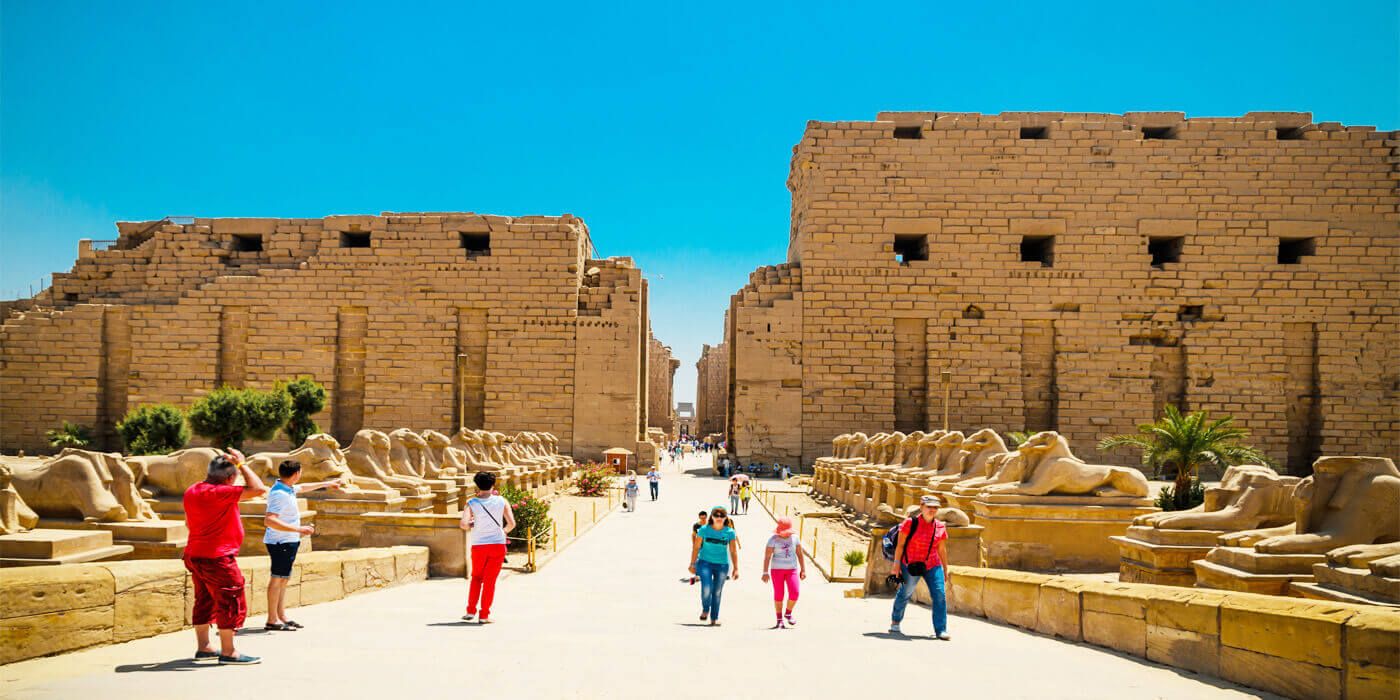
Nearby, you’ll find smaller yet equally fascinating temples, like the Temple of Khonsu, dedicated to the moon god, or the grand Avenue of Sphinxes, which once connected Karnak with Luxor Temple through a procession route lined with over 1,000 statues.
Luxor Temple — The Heart of the City
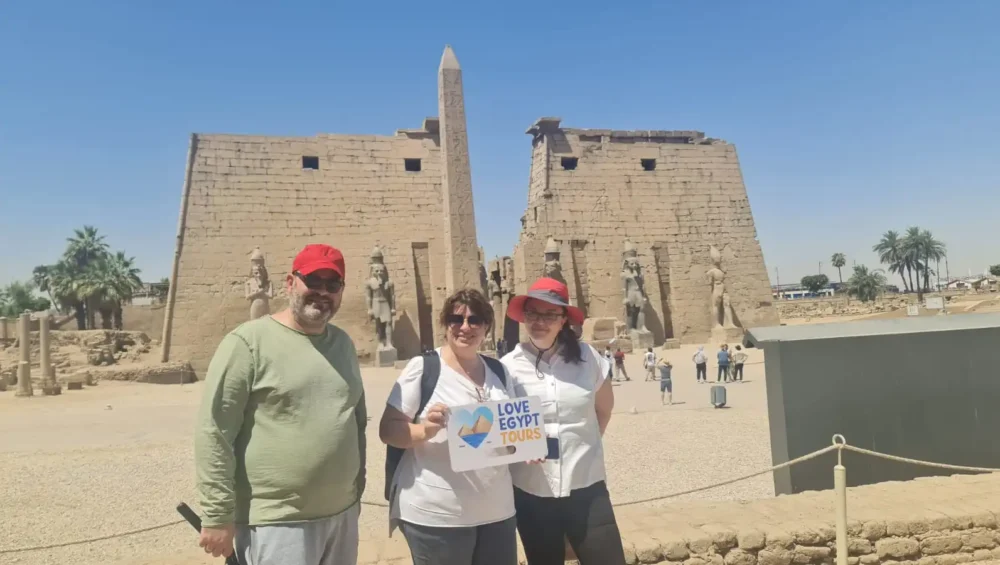
Just a short distance from Karnak lies the Luxor Temple, a sacred site built almost entirely of sandstone. What makes Luxor Temple unique is not only its impressive pylons and obelisks but also its continuity of worship: a mosque Abu Haggag still stands within its courtyard — a rare example of ancient and Islamic history intertwined in one place.
This temple was dedicated to the rejuvenation of kingship — meaning it played an important ceremonial role in the coronation of pharaohs. Here, you’ll walk through grand colonnades, see colossal statues of Ramses II, and feel the layers of history from different eras blending into one monumental structure.
Crossing to the West Bank — Valley of the Kings
After exploring the East Bank, most tours take you across the Nile to the West Bank, home to the fabled Valley of the Kings. This desert necropolis is where some of the most powerful pharaohs chose to be buried. Instead of towering pyramids, these rulers created hidden tombs adorned with vivid paintings and texts meant to guide them into the afterlife.
The valley contains dozens of tombs, some of which are open to the public. The legendary tomb of Tutankhamun — while requiring a special ticket — is one of the most famous, its treasures having captivated the world. Beyond Tutankhamun, new excavations and restorations (like those revealed in recent reopenings of other tombs) constantly add fresh intrigue to the site.
Here, as you step into these rock‑cut corridors, you’ll witness detailed funerary art telling stories of gods, kings, and the journey into eternity.
Temple of Queen Hatshepsut — A Monument to Power
Another breathtaking sight on the West Bank is the Temple of Queen Hatshepsut at Deir el‑Bahari. This terraced temple, built against a dramatic cliff backdrop, celebrates one of Egypt’s few female rulers. Its architectural elegance and balanced lines stand apart from the more ornate temple complexes, offering a serene yet powerful testament to her reign.
Walking through Deir el‑Bahari, you’ll see how Hatshepsut’s mortuary temple emphasizes harmony and reverence, both for the gods and for her memory as a ruler. This site is often less crowded than others, making it a peaceful highlight of any Luxor visit.
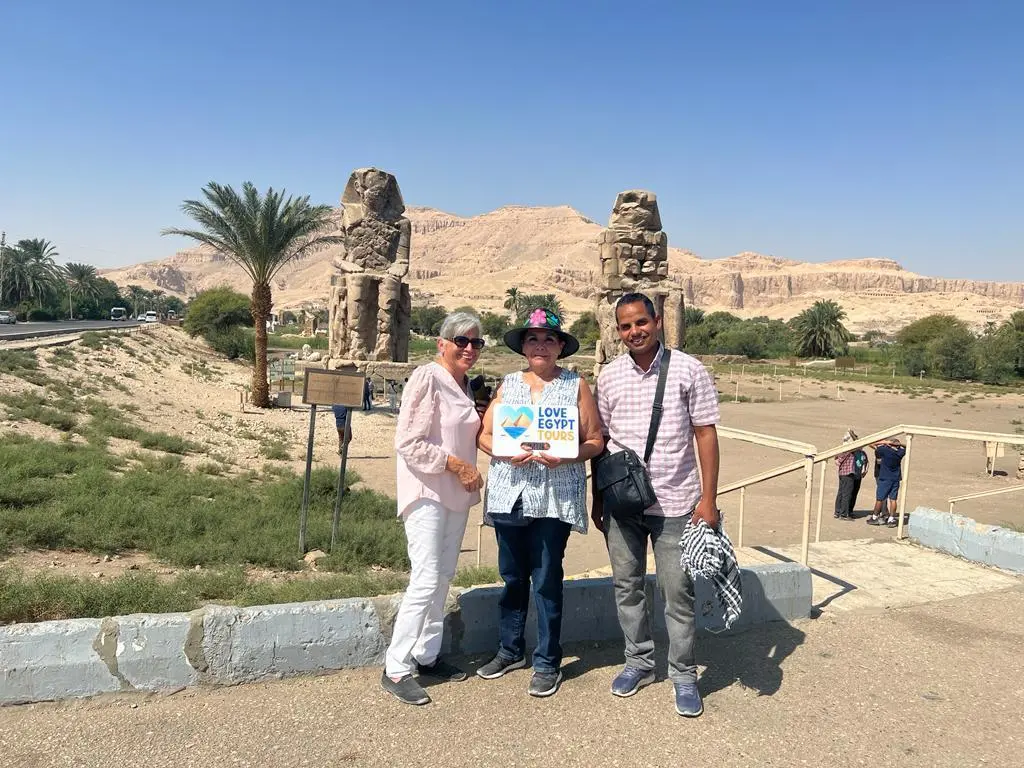
Colossi of Memnon — Silent Giants of an Empire
Just a short drive from the Valley of the Kings stand the Colossi of Memnon — two massive stone statues depicting Amenhotep III. These colossal figures once guarded the entrance to a temple long lost to time. Today, they remain impressive sentinels, offering visitors a perfect photo opportunity and a moment to reflect on the power and reach of ancient Egyptian pharaohs.
Beyond the Major Sites — Hidden Gems and Local Experiences
Luxor isn’t only about temples and tombs. The city offers smaller, fascinating sites worth exploration:
-
Deir el‑Shelwit: An ancient temple dedicated to Isis, dating from the Graeco‑Roman period, showcasing intricate reliefs and inscriptions.
-
Mummification Museum: Located near Luxor Temple, this museum reveals the art and science of ancient Egyptian mummification — an enlightening stop for history lovers.
Additionally, a traditional felucca boat ride on the Nile lets you experience the river like the ancients did — tranquil and timeless, framed by swaying palm trees and endless horizons.
Practical Tips for Visiting Luxor from Hurghada
Best Time to Go:
October to April offers pleasant weather — warm days and cool nights — ideal for outdoor exploration. Summer months can be extremely hot, so early starts and plenty of water are essential.
How to Get There:
-
Private Transfer or Tour Van: Offers flexibility, comfort, and ease.
-
Group Bus Tours: A budget‑friendly option that includes major highlights.
-
Overnight Stays: Many travelers choose to stay a night or two in Luxor to fully enjoy the temples without rushing.
Local Navigation:
Once you arrive in Luxor, taxis, horse‑drawn carriages, and organized tour transport make getting around easy. Always discuss fares upfront if using taxis or horse carriages.
Cultural Etiquette & Visitor Tips
Egyptian locals are generally warm and welcoming. Dress modestly, especially near religious sites. Carry water, sunscreen, and a hat for day tours. And while souvenir vendors can be enthusiastic, friendly negotiation is part of the experience.
The Magic of Luxor — A Journey Through Time
From the towering columns of Karnak to the quiet corridors of royal tombs in the Valley of the Kings, Luxor is a city that invites you to step into the footsteps of pharaohs and gods. It’s where history isn’t confined to textbooks — it’s etched in stone, felt in the desert winds, and reflected in the Nile’s gentle flow.
Whether you’re fascinated by ancient history, inspired by monumental architecture, or simply seeking a cultural journey unlike any other, Luxor delivers an experience that stays with you long after you leave its sun‑washed sands behind.
Conclusion
Luxor is not just a destination — it’s a bridge between past and present, a place where the mysteries of ancient Egypt come alive. From Hurghada’s coastal charm to Luxor’s ancient grandeur, the journey is as rewarding as the destination. Let’s explore Luxor from Hurghada through our Luxor trip from Hurghada and discover a world of history you’ll never forget.