Luxor is not just a city; it is a journey through time. Located on the east bank of the Nile River in southern Egypt, Luxor stands as one of the most important archaeological destinations in the world. Often described as the world’s greatest open-air museum, Luxor is home to a remarkable concentration of ancient temples, royal tombs, and monuments that date back more than 4,000 years.
From the grandeur of Karnak Temple to the mysterious tombs of the Valley of the Kings, Luxor offers visitors a rare opportunity to walk in the footsteps of pharaohs, priests, and queens. Whether you are a history enthusiast, cultural traveler, or someone seeking a deeply enriching experience, Luxor is a destination that leaves a lasting impression.
In this comprehensive guide, we explore the best places to visit in Luxor, along with practical travel tips to help you plan an unforgettable journey.
Why Luxor Is One of the Most Important Cities in Ancient Egypt
Ancient Luxor, once known as Thebes, was the capital of Egypt during the New Kingdom period. It served as the religious and political center of the empire for centuries. The city was divided into two symbolic parts:
-
East Bank: The land of the living, home to temples and daily life
-
West Bank: The land of the dead, where kings and nobles were buried
This symbolic division is still reflected in Luxor’s layout today and adds a unique spiritual dimension to every visit.
1. Karnak Temple Complex
Karnak Temple is the largest religious complex ever built by humans. Rather than a single temple, Karnak is a vast collection of sanctuaries, pylons, chapels, and halls constructed by multiple pharaohs over nearly 2,000 years.
The most famous part of Karnak is the Great Hypostyle Hall, featuring 134 massive columns arranged in a forest-like formation. Each column is intricately carved with hieroglyphs and reliefs depicting rituals, victories, and offerings to the gods.
Walking through Karnak gives visitors a powerful sense of ancient Egypt’s religious devotion and architectural mastery. It is widely considered the most impressive site in Luxor and an essential stop for every traveler.
2. Luxor Temple
Located in the heart of modern Luxor, Luxor Temple is one of the most accessible and atmospheric ancient sites in Egypt. Unlike other temples, Luxor Temple was not dedicated to a god but rather to the rejuvenation of kingship and the celebration of divine rule.
Built primarily by Amenhotep III and later expanded by Ramses II, the temple features colossal statues, towering columns, and beautifully preserved wall reliefs. One of its most unique aspects is that it was continuously used over centuries, even during the Roman and Islamic periods.
Luxor Temple is especially magical at night when illuminated, making it perfect for an evening visit after a day of exploration.
3. Avenue of Sphinxes
The Avenue of Sphinxes is a ceremonial road stretching approximately three kilometers between Karnak Temple and Luxor Temple. Once used during grand religious festivals, particularly the Opet Festival, this processional route was lined with hundreds of sphinx statues.
After years of restoration, the avenue has been fully reopened, offering visitors a rare opportunity to walk the same path ancient priests and kings once followed. It beautifully connects two of Luxor’s most iconic landmarks and symbolizes the city’s spiritual unity.
4. Valley of the Kings
On Luxor’s West Bank lies one of the most famous burial grounds in the world: the Valley of the Kings. This desert valley served as the royal cemetery for pharaohs of the New Kingdom, including some of the most powerful rulers in ancient Egyptian history.
More than 60 tombs have been discovered here, carved deep into the limestone cliffs and decorated with vivid scenes from the afterlife. The most famous tomb belongs to King Tutankhamun, whose nearly intact burial chamber revealed unimaginable treasures.
Each tomb offers unique artwork and inscriptions designed to guide the pharaoh safely into the afterlife, making this site both historically and spiritually fascinating.
5. Valley of the Queens
The Valley of the Queens was the burial place of royal wives, princes, and princesses. Though smaller than the Valley of the Kings, it is home to some of the most artistically impressive tombs in Egypt.
The crown jewel of the valley is the Tomb of Queen Nefertari, wife of Ramses II. Its walls are adorned with vibrant colors and detailed scenes that remain remarkably preserved, offering a glimpse into the elegance and status of royal women.
This site is quieter and less crowded, making it ideal for travelers seeking a more intimate and reflective experience.
6. Temple of Hatshepsut (Deir el-Bahari)
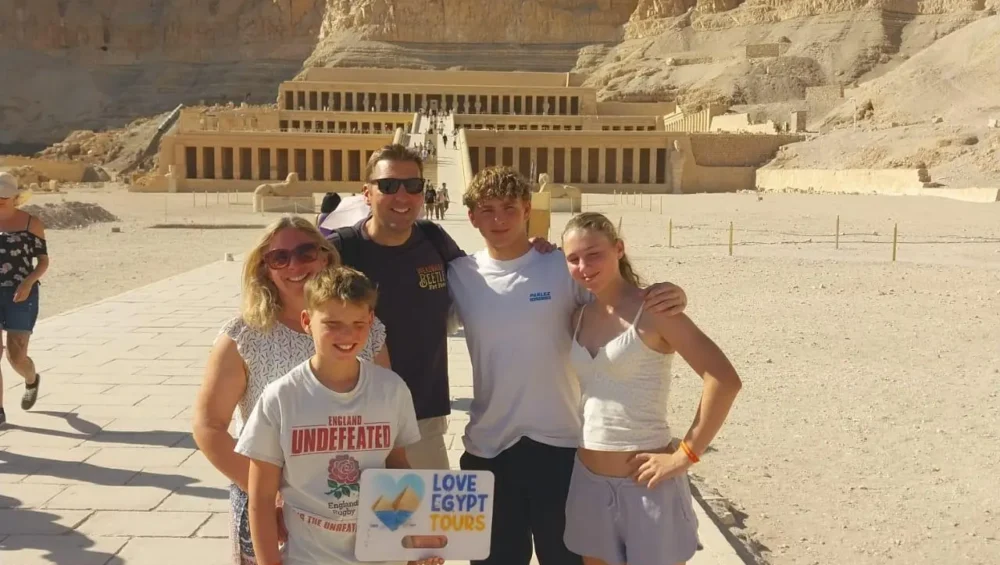
The Mortuary Temple of Queen Hatshepsut is one of the most striking architectural achievements of ancient Egypt. Built into the cliffs of Deir el-Bahari, the temple rises in a series of terraces connected by ramps, blending harmoniously with the surrounding landscape.
Hatshepsut was one of Egypt’s most successful female rulers, and her temple tells the story of her reign, divine birth, and trading expeditions. Reliefs within the temple depict scenes of prosperity and diplomacy rather than warfare, setting it apart from many other monuments.
The dramatic setting and innovative design make this temple a highlight of any visit to Luxor.
7. Colossi of Memnon
Standing silently at the edge of the West Bank fields, the Colossi of Memnon are two massive stone statues representing Pharaoh Amenhotep III. These towering figures once guarded the entrance to a vast mortuary temple that has since disappeared.
Though often a brief stop, the statues are iconic and provide a powerful sense of scale, reminding visitors of the grandeur that once defined ancient Thebes.
8. Medinet Habu (Temple of Ramses III)
Medinet Habu is one of the most underrated yet impressive temples in Luxor. Built by Ramses III, it features massive walls and exceptionally well-preserved reliefs depicting battles, religious rituals, and daily life.
Unlike more crowded sites, Medinet Habu allows visitors to explore at a relaxed pace while still experiencing monumental architecture and detailed storytelling carved into stone.
This temple is particularly valuable for travelers interested in military history and New Kingdom art.
9. The Ramesseum
The Ramesseum is the mortuary temple of Ramses II, one of Egypt’s most powerful and long-reigning pharaohs. Although much of the temple is now in ruins, it was once an awe-inspiring complex filled with colossal statues and grand halls.
The fallen statue of Ramses II at the site is especially famous and inspired the poem Ozymandias. Today, the Ramesseum offers a haunting yet beautiful atmosphere, perfect for photography and quiet exploration.
10. Luxor Museum
For travelers who want deeper context, the Luxor Museum is an essential stop. Unlike larger museums, it focuses specifically on artifacts discovered in and around Luxor, presented in a modern and elegant setting.
The museum’s collection includes statues, reliefs, jewelry, and objects that help visitors better understand what they see at the archaeological sites. It is an excellent way to connect the monuments with their historical significance.
11. Mummification Museum
Located along the Nile Corniche, the Mummification Museum provides fascinating insight into ancient Egyptian burial practices. It explains the techniques, tools, and religious beliefs behind mummification, using well-organized displays and detailed explanations.
This museum adds depth to visits to the Valley of the Kings and Queens by revealing the science and spirituality behind ancient funerary rituals.
Nile Experiences in Luxor
Beyond temples and tombs, the Nile itself is central to the Luxor experience. A traditional felucca ride or a short Nile cruise offers a peaceful contrast to the grandeur of the monuments.
Watching the sunset over the river, with palm trees and temples silhouetted against the sky, is one of the most memorable moments a traveler can have in Egypt.
Best Time to Visit Luxor
The best time to visit Luxor is between October and April, when temperatures are milder and sightseeing is more comfortable. Summer months can be extremely hot, but early morning visits and guided tours still make exploration possible.
Travel Tips for Visiting Luxor
-
Wear light, breathable clothing and comfortable walking shoes
-
Always carry water and sun protection
-
Hire a licensed guide to fully understand the sites
-
Respect local customs and archaeological rules
-
Plan visits early in the day to avoid crowds and heat
Conclusion: Explore the Best Temples in Luxor Through Our Egypt Tours
Luxor is a destination that goes beyond sightseeing. It is a place where history, spirituality, and culture converge, offering travelers a profound connection to one of the world’s greatest civilizations. From the monumental temples of the East Bank to the sacred burial grounds of the West Bank, every corner of Luxor tells a story carved in stone.
Whether you are visiting Egypt for the first time or returning to deepen your understanding, Luxor remains an essential stop on any journey through the land of the pharaohs. Explore the best temples in Luxor through our Egypt tours, and let expert guidance, seamless planning, and unforgettable experiences bring the ancient world to life