
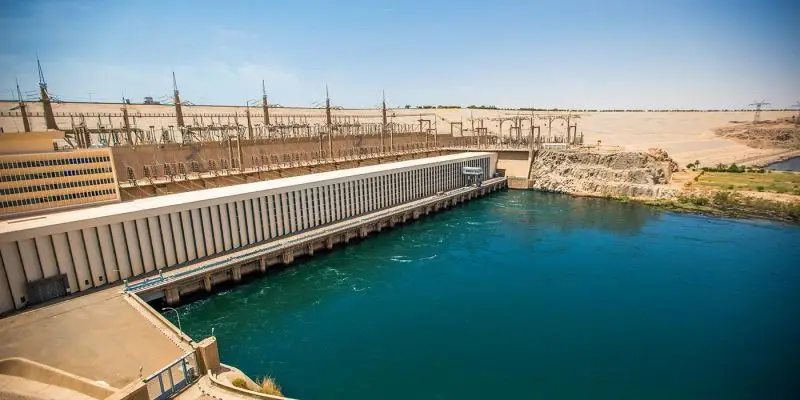
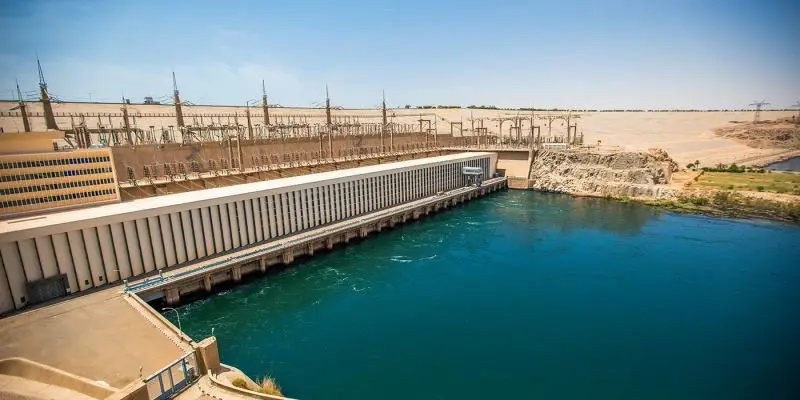
The Aswan High Dam stands as one of Egypt’s most significant and transformative infrastructure projects of the 20th century. Built across the Nile River near the city of Aswan in southern Egypt, this massive embankment dam was designed to control the Nile’s annual flooding, enhance irrigation capacity, produce hydroelectric power, and support Egypt’s long‑term socio‑economic development. Its construction reshaped the country’s agricultural base, energy production, and environment, leaving a complex legacy of both benefits and challenges.
Historical Background: Why the Dam Was Needed
For millennia, Egypt’s civilization thrived along the floodplain of the Nile River. Each year, floods carried fertile silt that replenished farmlands but also posed risks of destruction when floods were too severe. Prior to the High Dam’s construction, Egypt relied on the Old Aswan Dam (also called the Low Dam), completed in the early 20th century, to partially control flooding. However, this structure was insufficient for Egypt’s growing needs. Wikipedia
In the 1950s, after the Egyptian revolution of 1952, the government of President Gamal Abdel‑Nasser prioritized controlling the Nile’s unpredictable floods and expanding agricultural production. The idea of building a much larger dam was part of a broader national drive toward modernization and economic independence. Initial designs involved Western engineers, but by the late 1950s geopolitical tensions led Western funding and technical support to be withdrawn. The Soviet Union stepped in, providing financial assistance, technical expertise, and machinery, helping Egypt to realize the project.
Construction: An Engineering Feat
Planning and Design
Construction of the Aswan High Dam began in 1960 and continued through the decade, culminating in its completion in 1970. The dam was designed as an embankment dam, constructed with rock and clay materials and a watertight core to withstand the Nile’s forces and safely contain vast quantities of water.
Dimensions and Structure
The dam measures approximately 3,830 meters (about 12,560 feet) in length and stands 111 meters (364 feet) tall, with a base width nearing 980 meters. Its immense size reflects the enormity of the project and its vital role in managing the Nile’s flow and providing water storage.
Upon completion, engineers began filling the reservoir behind the dam, now known as Lake Nasser (named for President Nasser). It took several years for the reservoir to reach full capacity, a process completed by 1976. The resulting lake extends hundreds of kilometers south into Egypt and into northern Sudan, becoming one of the largest artificial lakes in the world.
Goals and Functions of the Dam
The Aswan High Dam was conceived with several key objectives in mind
1. Flood Control
Before the dam existed, the Nile’s annual flood cycle was unpredictable. Some years brought devastating floods that destroyed crops and homes, while drought years limited water availability. The dam’s ability to regulate river flow protects the nation from both extremes.
2. Irrigation and Agriculture
By storing vast volumes of water in Lake Nasser, the dam provides a reliable source of water for irrigation throughout the year. This perennial irrigation system enabled farmers to cultivate land year‑round, rather than relying on the traditional seasonal flood cycle. Vast areas of previously marginal land were brought under cultivation, allowing multiple crops per year and improving food security.
3. Hydroelectric Power Generation
Central to the dam’s purpose is the generation of hydroelectric power. The dam houses 12 turbines, each with a generating capacity of 175 megawatts, together producing over 2,100 megawatts of power. At the time of its opening, this made the Aswan High Dam one of Africa’s largest power producers, supplying electricity to industry, cities, and rural communities.
4. Improved Navigation
Regulating the water level of the Nile has enhanced navigation for boats and ships, allowing for safer and more consistent movement upstream and downstream. This has benefited trade, tourism, and local communities along the river.
Lake Nasser: The Massive Reservoir
The reservoir formed behind the dam, Lake Nasser, extends for hundreds of kilometers, with significant width and depth. It holds a tremendous volume of water, serving as a buffer against drought and contributing to Egypt’s water security.
While providing stability and water resources, Lake Nasser also required extensive planning to manage evaporation and sedimentation. Given the region’s arid climate, a portion of water is lost to evaporation, a factor considered during the dam’s design.
Social and Cultural Impacts
The creation of Lake Nasser and the construction of the dam led to significant social changes. Tens of thousands of people, including Egyptian fellahin (peasants) and Nubian communities in southern Egypt and northern Sudan, were displaced from their ancestral lands. Many were relocated to newly developed agricultural zones or villages designed to accommodate the loss of their homes and livelihoods.
The rising waters also threatened numerous archaeological sites. One of the most remarkable responses was the international effort to save the temples of Abu Simbel. These massive rock temples, dating to the reign of Ramses II, were carefully cut into pieces and reassembled on higher ground to prevent their submersion beneath Lake Nasser’s waters. This rescue operation, often cited as one of the greatest archaeological salvage missions, involved collaboration among Egypt, UNESCO, and contributing countries.
Environmental Consequences
Despite its successes, the dam’s influence on Egypt’s environment has been mixed.
1. Sediment and Soil Fertility
In the past, the annual Nile floods carried nutrient‑rich silt that naturally replenished agricultural lands. With the dam’s regulation of water flow, much of this sediment now stays trapped in Lake Nasser, reducing the natural fertilization of farmlands downstream. Farmers increasingly rely on artificial fertilizers to maintain soil fertility.
2. Delta Erosion and Coastline Changes
Without the steady deposition of sediment carried by the annual flood, the Nile Delta has experienced increased erosion. Reduced sediment reaching the Mediterranean has weakened the delta’s natural defenses against coastal erosion.
3. Altered Ecosystems
Changes in water flow and sediment patterns have reshaped the river’s ecosystems. Fish populations and wetland habitats have shifted, with some species declining and others adapting to the new environment.
Economic Effects and Development
1. Agricultural Growth
By enabling year‑round irrigation, the dam significantly boosted Egypt’s agricultural output. Farmers could grow multiple crops annually, transforming food production and increasing rural incomes.
2. Energy Security
Hydroelectric power from the dam provided a substantial portion of Egypt’s electricity needs, particularly in the early decades following its completion. This helped electrify rural areas and support industrial expansion.
3. Transportation and Tourism
Improved river navigation stimulated commerce and tourism along the Nile. Tourists visiting Egypt often travel by boat between historic cities like Luxor and Aswan, enjoying the scenic river routes made more reliable by the dam’s regulation of water levels.
Political and Strategic Importance
National leadership in Egypt has long considered the High Dam a symbol of modern national pride and independence. It demonstrated Egypt’s ability to undertake large‑scale engineering projects and reduce vulnerability to natural disasters like floods and droughts. Over decades, it has remained central to water resource management and regional geopolitics, particularly in discussions about Nile water rights and cooperation with neighboring countries.
Legacy: Achievements and Controversies
The Aswan High Dam’s legacy is multifaceted.
Achievements
-
Flood Control: Eliminated the devastation caused by unpredictable Nile floods.
-
Irrigation and Food Security: Enabled stable, improved crop production with perennial irrigation.
-
Hydropower: Delivered significant electrical capacity, powering cities and rural regions alike.
-
Resilience: Provides a buffer against drought and supports long‑term water planning.
Controversies
-
Environmental Impact: Altered nutrient flow and caused ecological shifts.
-
Displacement: Forced relocation of communities and disruption of cultural landscapes.
-
Delta Erosion: Contributed to increased coastal erosion due to reduced sediment deposition.
-
Conclusion
The Aswan High Dam stands as a testament to human ingenuity and ambition. Its construction transformed Egypt’s relationship with the Nile, providing control over the river that has sustained Egyptian life for millennia. While the dam brought remarkable benefits in energy, agriculture, and stability, it also introduced environmental and social challenges that continue to shape the country today.
Let’s explore the High Dam in Aswan through our Egypt tours and witness this engineering marvel up close while discovering the rich history, culture, and landscapes that surround it.