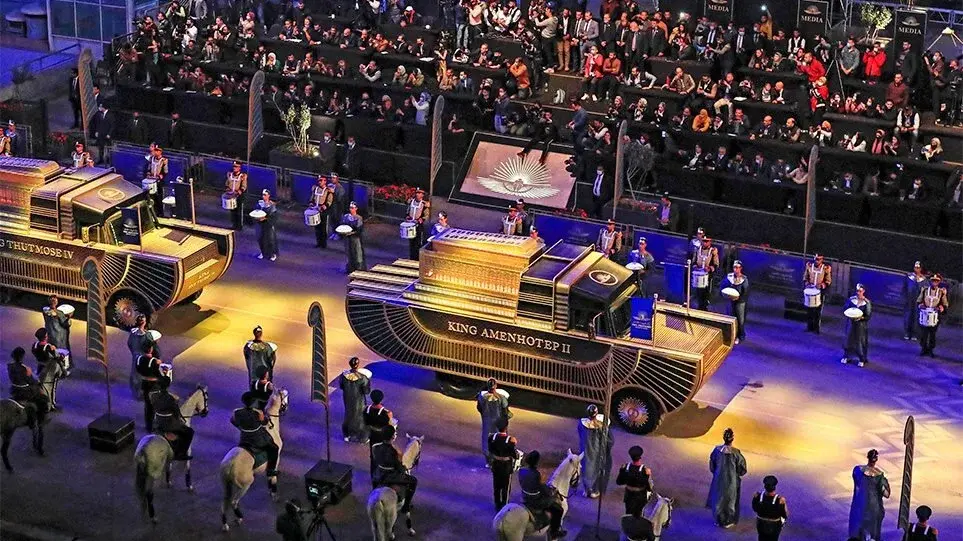
On April 3, 2021, the world witnessed a spectacular event: the Pharaohs’ Golden Parade. This historic celebration in Egypt marked the safe transfer of 22 royal mummies from the Egyptian Museum in Tahrir Square to the newly constructed National Museum of Egyptian Civilization (NMEC) in Fustat, Cairo. The parade was more than just a logistical operation; it was a cultural masterpiece blending history, art, and national pride.
The Significance of the Pharaohs’ Golden Parade
The Pharaohs’ Golden Parade was a testament to Egypt’s dedication to preserving its rich heritage. Each mummy represented a chapter in the country’s glorious history, spanning from the New Kingdom to the late periods of Ancient Egypt. The parade highlighted not only the scientific achievement of moving these delicate relics safely but also the artistic and ceremonial grandeur associated with the Pharaohs.
Why the Parade Was a Historic Event
Egypt has always been a cradle of civilization. The parade was the first time such a large number of royal mummies were transported together with such precision and fanfare. Modern technology, including climate-controlled transportation vehicles, ensured that the mummies remained intact during the journey. Cultural performances, light shows, and military bands elevated the event into a world-class spectacle, attracting global media attention.
A Journey Through Time: The Royal Mummies
The parade included 18 kings and 4 queens, all of whom played pivotal roles in Egypt’s history. Among them were famous names such as Ramses II, Seti I, and Hatshepsut. Each mummy had a story to tell about the political, cultural, and religious life of Ancient Egypt.
Famous Pharaohs in the Parade
-
Ramses II (The Great Pharaoh): Known for his military conquests and monumental constructions, Ramses II ruled during the 19th Dynasty and is considered one of Egypt’s most powerful Pharaohs.
-
Seti I: Father of Ramses II, Seti I was celebrated for restoring temples and promoting religious practices throughout Egypt.
-
Hatshepsut: One of the few female Pharaohs, Hatshepsut transformed Egypt with her extensive building projects and trade expeditions.

The Queens of the Parade
The parade also included mummies of royal queens such as Ahmose-Nefertari, Ahhotep I, and others who played influential roles in Egypt’s dynastic history. These queens were instrumental in shaping the political landscape of their time and were revered as goddesses in the afterlife.
The National Museum of Egyptian Civilization (NMEC)
The destination of the parade, the National Museum of Egyptian Civilization, is a modern marvel dedicated to showcasing Egypt’s history from prehistory to modern times. With state-of-the-art exhibitions, interactive displays, and climate-controlled mummy halls, NMEC represents the pinnacle of Egypt’s commitment to cultural preservation.
What Makes NMEC Special
-
Interactive Exhibits: Visitors can experience the evolution of Egyptian civilization through engaging multimedia displays.
-
Mummy Halls: The newly designed mummy halls provide optimal conditions for preservation, with temperature, humidity, and lighting carefully controlled.
-
Cultural Integration: The museum combines artifacts, mummies, and cultural history in a way that narrates Egypt’s story from ancient times to the present day.
Planning and Logistics of the Pharaohs’ Golden Parade
Moving delicate royal mummies is no simple task. The parade required years of planning involving archaeologists, conservators, engineers, and event organizers. Each mummy was placed in a specially designed, climate-controlled vehicle equipped with vibration-reducing technology. Medical-grade sensors monitored conditions in real-time to ensure the safety of these ancient treasures. This meticulous planning not only preserved history but also reminded us of the grandeur of Ancient Egypt — let’s explore the beauty of Egypt through our Egypt tours and experience its timeless wonders firsthand.
Security and Protocol
The parade was not just a scientific mission; it was a national celebration. Military personnel, police, and volunteers coordinated security, while the route was meticulously planned to avoid congestion and ensure smooth transit. The entire operation combined precision, timing, and reverence for history.
Cultural Performances and Festivities
The Pharaohs’ Golden Parade was not only about the mummies; it was a cultural spectacle. Traditional Egyptian music, folk dances, and modern light displays were synchronized along the parade route. Spectators, both local and international, watched in awe as history came alive before their eyes.
Engaging the Public
The parade was broadcast live globally, allowing millions to witness the extraordinary event. Schools, cultural centers, and tourism organizations capitalized on this historic moment to teach younger generations about Egypt’s rich past.
The Role of Technology in Preserving History
Modern technology played a critical role in the Pharaohs’ Golden Parade. Advanced climate-controlled vehicles, monitoring sensors, and specially designed display cases ensured the safe transport of mummies that are thousands of years old. Additionally, virtual reality and interactive apps allowed people worldwide to experience the parade and the museum remotely.
Tourism Impact and Global Attention
The parade was more than a cultural event; it was a tourism booster. Egypt showcased its rich heritage, captivating travelers worldwide. Tour operators reported increased interest in Egypt, particularly in visiting Cairo, Luxor, and Aswan, where tourists could explore ancient temples, royal tombs, and historic sites associated with the Pharaohs.
Visiting the Pharaohs’ Legacy Today
Travelers can now visit the National Museum of Egyptian Civilization to witness the mummies in their new home. The museum offers guided tours, immersive exhibits, and educational programs to ensure that visitors not only see history but understand it.
Educational and Archaeological Significance
The Pharaohs’ Golden Parade also contributed to archaeological research. It provided an opportunity to study the mummies in detail, analyze their preservation methods, and apply modern conservation techniques. Scholars gained insights into Ancient Egyptian burial practices, royal lineage, and the socio-political environment of ancient dynasties.
Scientific Discoveries
-
Analysis of the mummies revealed details about their age, health, and cause of death.
-
Modern CT scans provided 3D imaging without disturbing the remains.
-
DNA studies offered clues about familial relationships among Pharaohs.
Legacy of the Pharaohs’ Golden Parade
The event was a milestone for Egypt, blending tradition, modernity, and global outreach. It reinforced the importance of heritage preservation while highlighting Egypt’s capacity to host large-scale cultural events.
Cultural Pride
For Egyptians, the parade instilled a renewed sense of national pride. Citizens celebrated the grandeur of their ancestors and the preservation of their history for future generations.
Global Recognition
International media, archaeologists, and tourists hailed the parade as a world-class event, emphasizing Egypt’s commitment to cultural and historical preservation.
Conclusion: Discover Egypt’s Timeless Treasures
The Pharaohs’ Golden Parade is a symbol of Egypt’s rich history, scientific innovation, and cultural pride. From the majestic royal mummies to the National Museum of Egyptian Civilization, the parade highlighted the depth of Egypt’s heritage. Whether you are a history enthusiast, a traveler, or a student of archaeology, witnessing these treasures is an unforgettable experience.
Let’s discover the legacy of the Pharaohs through our Egypt adventure tours, visiting iconic temples, royal tombs, and museums that bring Ancient Egypt to life.